
Enhance Your Spaces with Beautiful Decorative Sand Options
Decorative Sand: Transforming Spaces with Natural Beauty
Decorative sand is more than just a granular material; it's a versatile element used to enhance the aesthetic appeal of a variety of spaces, both indoors and outdoors. From landscaping projects and aquariums to crafting and home décor, the applications are remarkably diverse. At CN Floor Materials, we offer a comprehensive selection of high-quality decorative sand, tailored to meet your creative and functional needs. Discover how this natural material can elevate your projects, adding texture, color, and a touch of organic elegance.

Understanding the Varieties of Decorative Sand
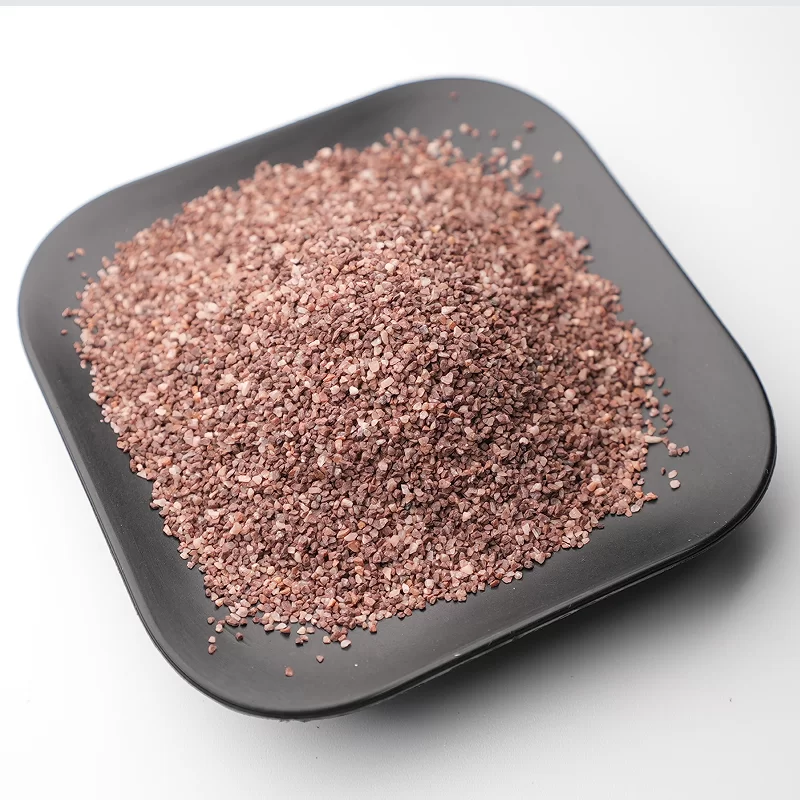
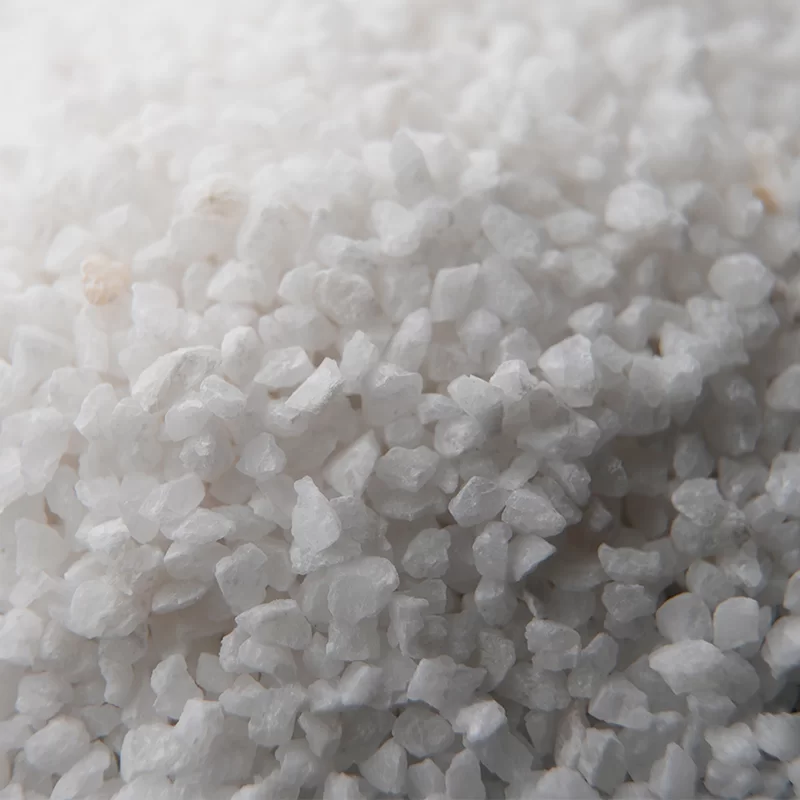
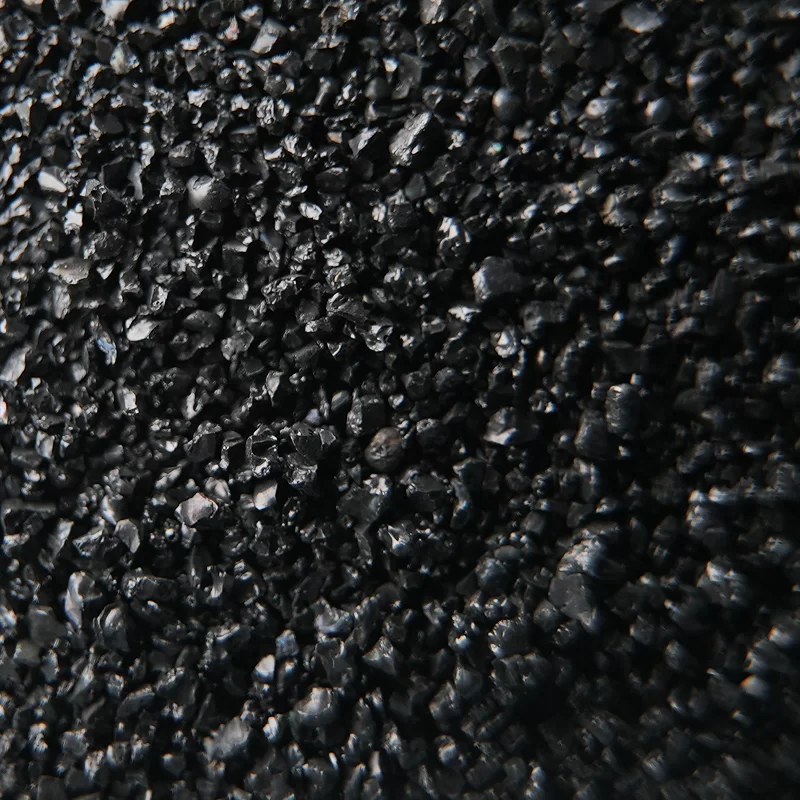
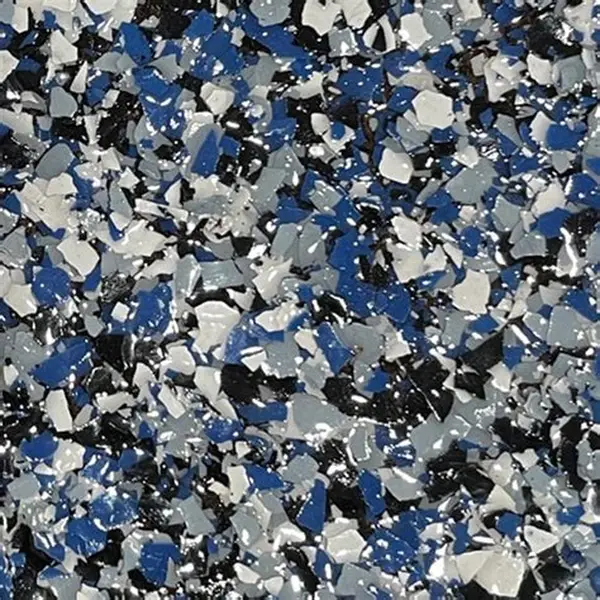
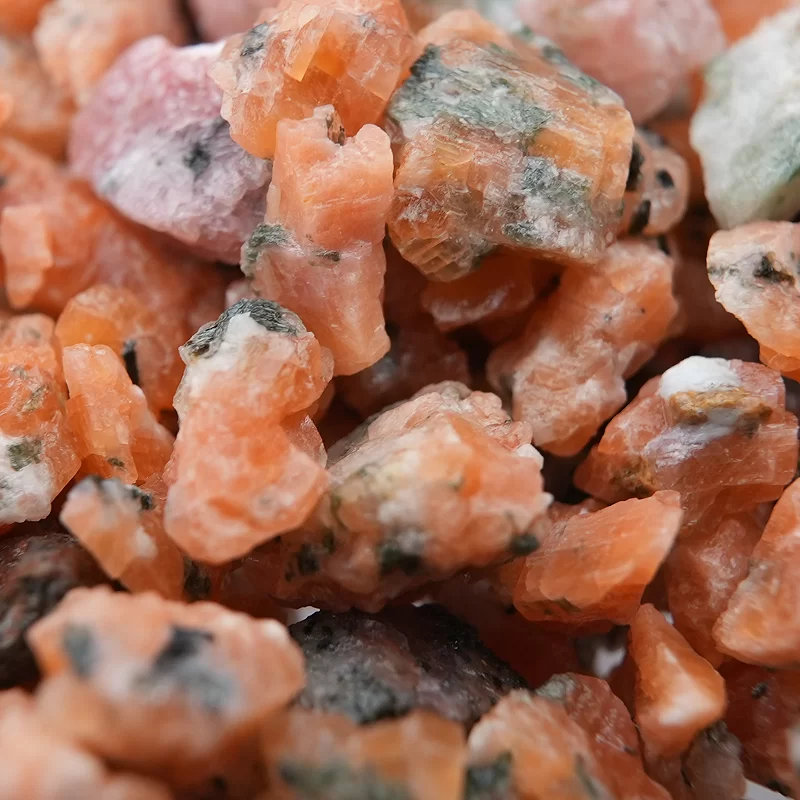
Decorative sand comes in a wide array of colors, textures, and grain sizes. The source of the sand dictates its natural coloring, while some sand is artificially colored using non-toxic pigments. Common types include silica sand (pure white), quartz sand (various colors), and volcanic sand (typically black). The grain size is a crucial factor influencing the suitability for different applications. Finer grains are ideal for detailed crafts and aquariums, while coarser grains are better suited for landscaping and pathways. Choosing the right type of decorative sand is essential to achieving the desired aesthetic and functional results.
Key Highlights: Decorative sand offers a wide range of colors, textures, and grain sizes, catering to diverse aesthetic and functional requirements.
Applications of Decorative Sand: A Versatile Material
The versatility of decorative sand makes it a popular choice for a wide range of applications. In landscaping, it can be used to create pathways, decorative ground cover, and add visual interest to garden beds. Aquarium enthusiasts utilize sand as a substrate for plants and fish, offering a natural and aesthetically pleasing environment. Craft projects benefit from the textural element and vibrant colors available. Home decor uses include filling vases, creating layered displays, and adding a beach-inspired theme to interiors. Even industrial applications, such as sandblasting and construction, rely on specific types of sand for their unique properties.
Decorative Sand Applications:
• Landscaping (pathways, ground cover)
• Aquariums (substrate)
• Crafts (layered art, decorations)
• Home Decor (vases, displays)
Choosing the Right Decorative Sand: A Comparative Look
Selecting the appropriate decorative sand depends heavily on the intended application. Factors to consider include grain size, color, composition, and whether it is washed and dried. For example, play sand is specifically processed for children's use and is free of harmful materials. Aquarium sand must be inert and pH-neutral to maintain a healthy aquatic environment. Landscape sand requires good drainage and resistance to compaction. Comparing different options based on these criteria will ensure optimal results. At CN Floor Materials, we provide detailed specifications for each of our sand products to help you make an informed decision.
Sourcing High-Quality Decorative Sand
When purchasing decorative sand, prioritize quality and consistency. Look for suppliers who offer washed and dried sand, ensuring it's free from impurities and contaminants. Consider the source of the sand and whether it is ethically and sustainably sourced. At CN Floor Materials, we are committed to providing our customers with premium quality sand sourced responsibly. We meticulously inspect our products to ensure they meet the highest standards of purity and consistency.
Maintaining Decorative Sand: Tips for Longevity
To keep your decorative sand looking its best, regular maintenance is key. For outdoor applications, periodically remove debris like leaves and twigs. In aquariums, perform regular substrate vacuuming to remove waste and maintain water quality. For indoor displays, gently dust the sand to prevent buildup. Avoid using harsh chemicals or abrasive cleaners, as these can damage the sand or alter its color. With proper care, your decorative sand will continue to enhance your space for years to come.
Conclusion: Unleash Your Creativity with Decorative Sand
Decorative sand is a remarkable material offering endless possibilities for enhancing your projects. Whether you’re a landscaper, an aquarium enthusiast, or a crafting aficionado, CN Floor Materials provides the high-quality sand you need to bring your vision to life. Explore our wide selection today and unlock your creative potential!
Frequently Asked Questions (FAQs)
What is the difference between play sand and regular sand?
Play sand is specifically processed for use in children’s play areas, such as sandboxes. This involves washing, screening, and often sterilizing the sand to remove harmful bacteria, sharp objects, and dust. Regular sand, on the other hand, may contain impurities and is not necessarily safe for children's play. Play sand is designed to be soft, fine-grained, and easily moldable, ensuring a safe and enjoyable experience for kids. It is important to always use play sand designated for sandbox use when constructing children's play areas.
Can I use colored sand in my aquarium?
Generally, it's not recommended to use colored sand in aquariums unless it is specifically manufactured for aquarium use. Many colored sands contain dyes and chemicals that can be harmful to fish and plants, disrupting the delicate ecosystem of the aquarium. Aquarium sand is inert and pH-neutral, ensuring a safe and healthy environment for aquatic life. Always opt for sand specifically labeled as safe for aquarium use to avoid any potential harm to your aquatic pets.
How much decorative sand do I need for my landscaping project?
The amount of decorative sand needed for your landscaping project depends on the area you're covering and the desired depth. First, calculate the area in square feet (length x width). Then, determine the desired depth in inches. Convert the depth to feet by dividing by 12. Finally, multiply the area (in square feet) by the depth (in feet) to get the volume in cubic feet. You can then use this volume to determine how much sand to purchase. It's always a good idea to order slightly more than you think you need to account for settling and compaction.
How do I clean decorative sand?
Cleaning decorative sand depends on its usage. For aquarium sand, regular vacuuming is best. For indoor displays, gently brush or vacuum the sand. For outdoor applications, remove debris like leaves and twigs. If the sand is heavily soiled, you can rinse it with water, but ensure it’s thoroughly dried before reuse. Avoid using harsh chemicals or detergents, as these can leave residue. Washing and drying the sand in the sun helps to remove impurities and restore its natural color.