Comprehensive Guide to Selecting Reliable Garden Gravel Suppliers
Choosing the Right Garden Gravel Suppliers: A Comprehensive Guide
Selecting the ideal garden gravel suppliers is crucial for enhancing your outdoor spaces. Whether you’re designing a driveway, pathway, or decorative garden area, the quality and variety of gravel available significantly impact the final result. This guide will explore the key factors to consider when choosing a supplier, the types of gravel available, and how to ensure you get the best value for your investment. We'll cover everything from delivery options to material quality, helping you make an informed decision.
Understanding the Different Types of Garden Gravel
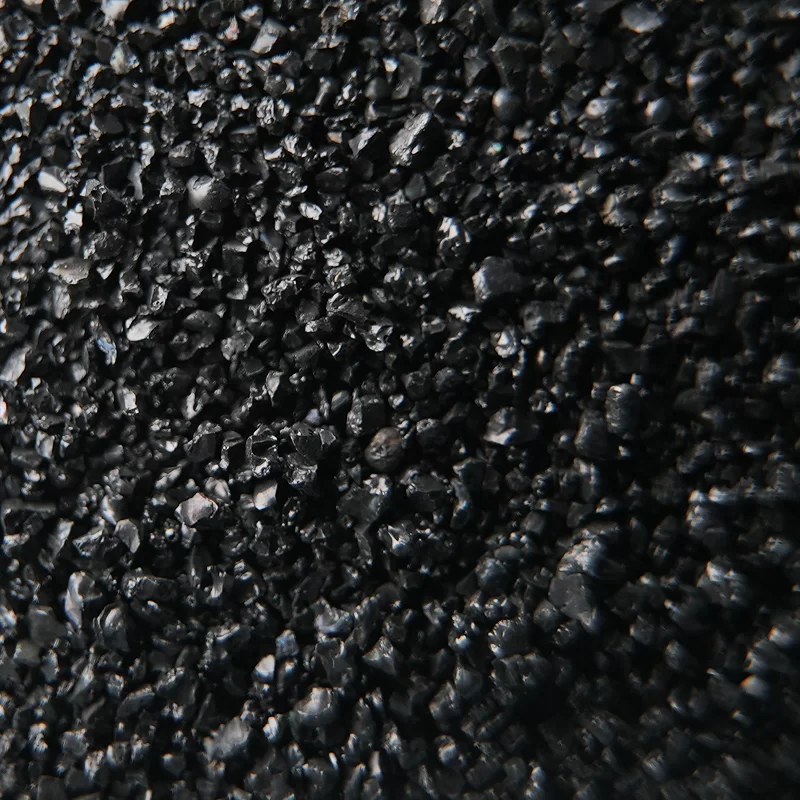
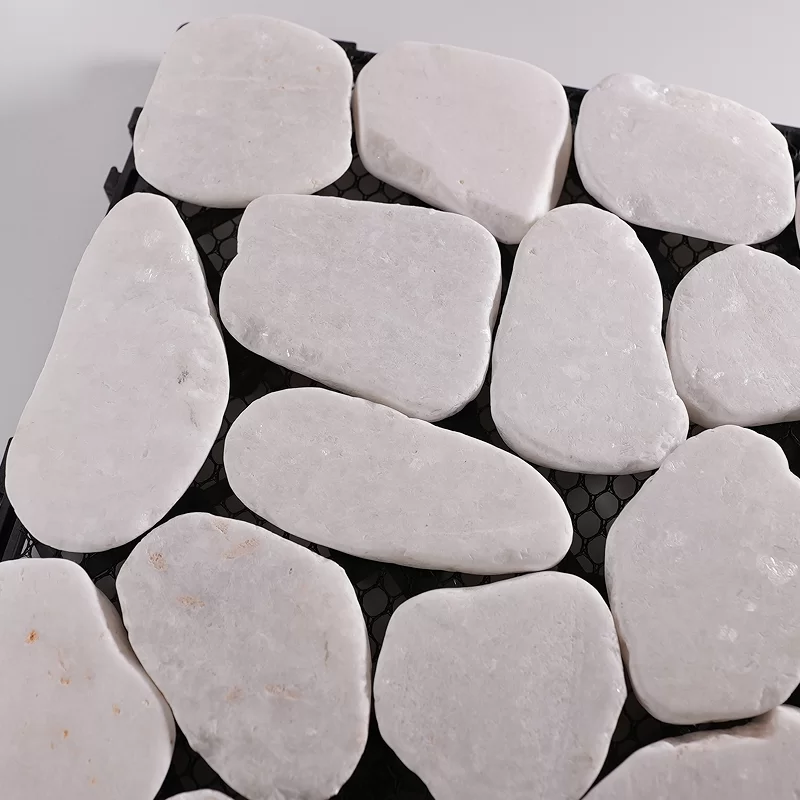
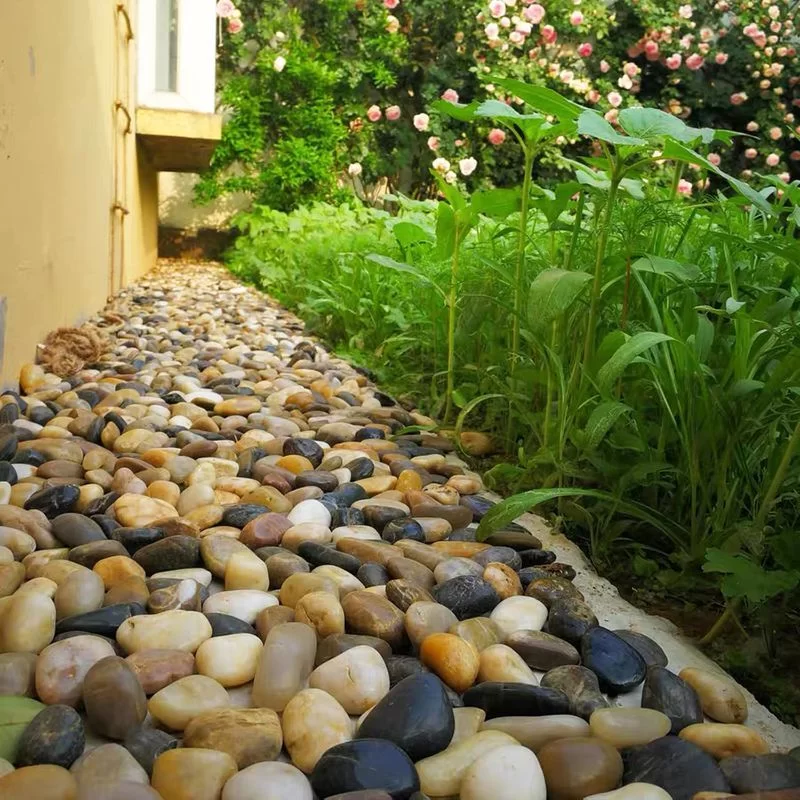
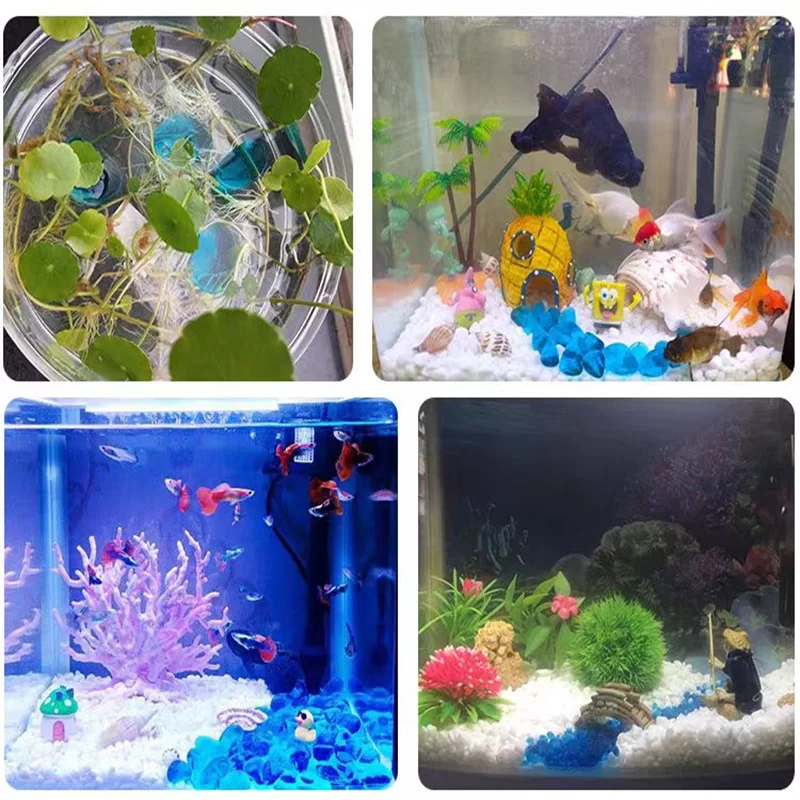
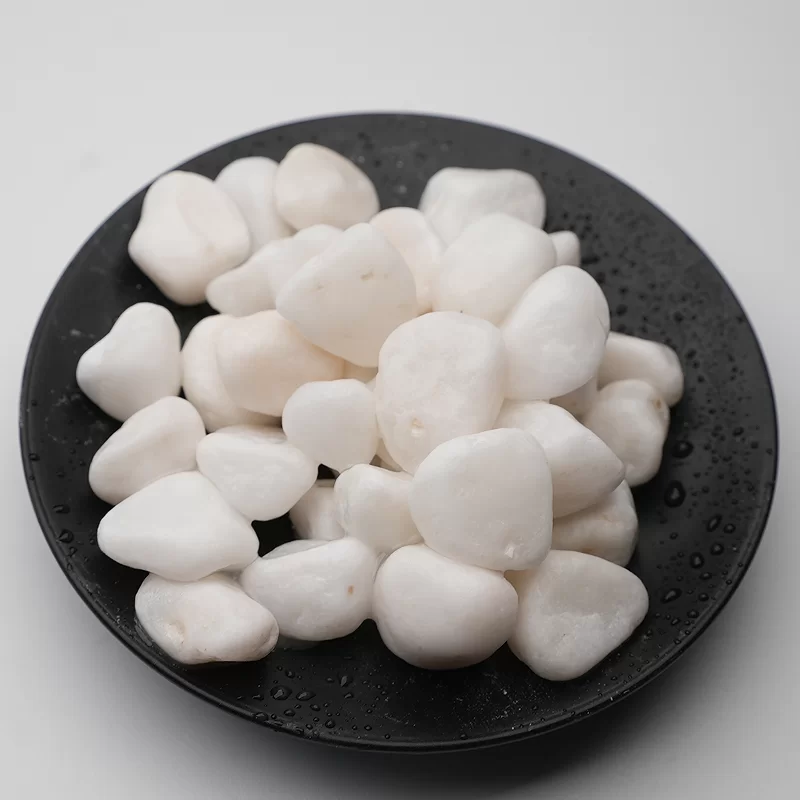
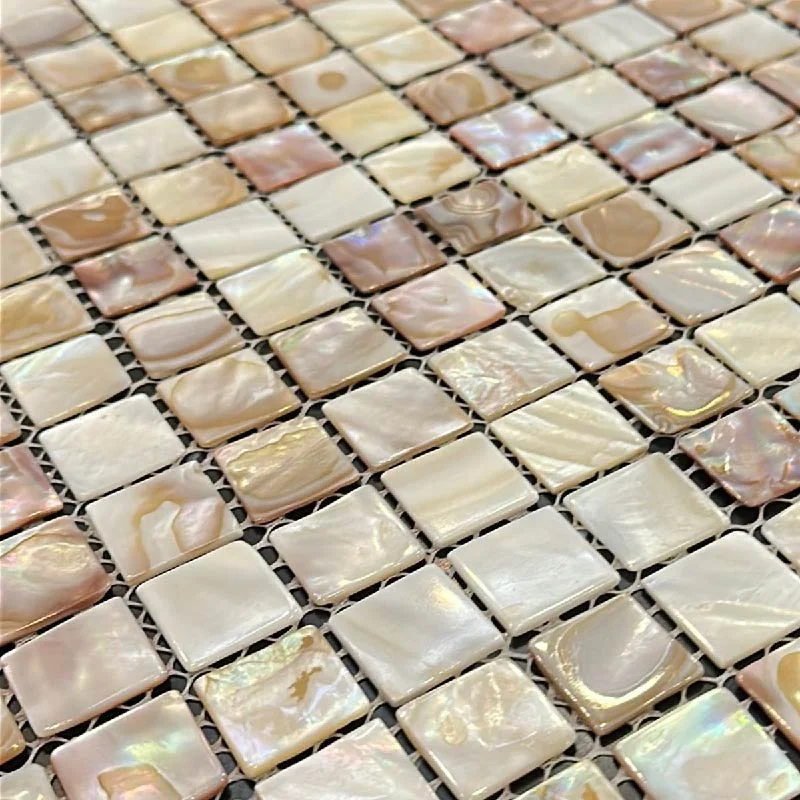
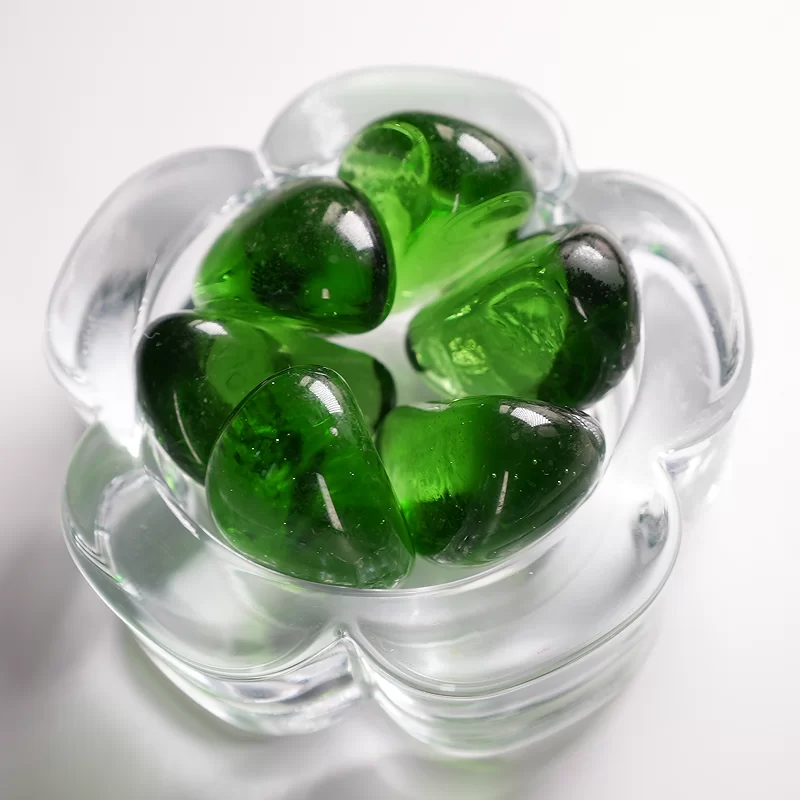
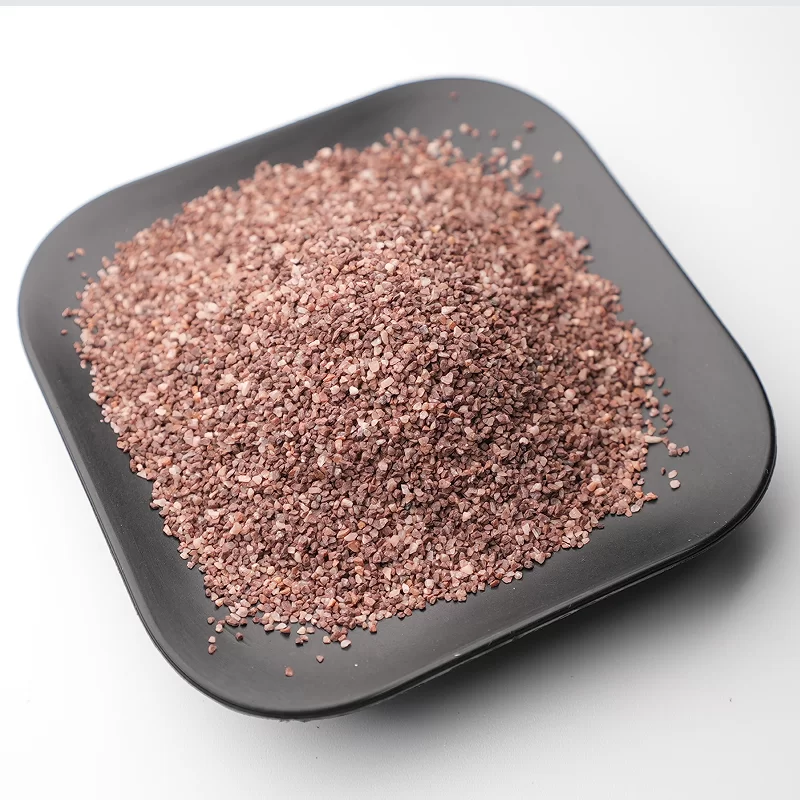
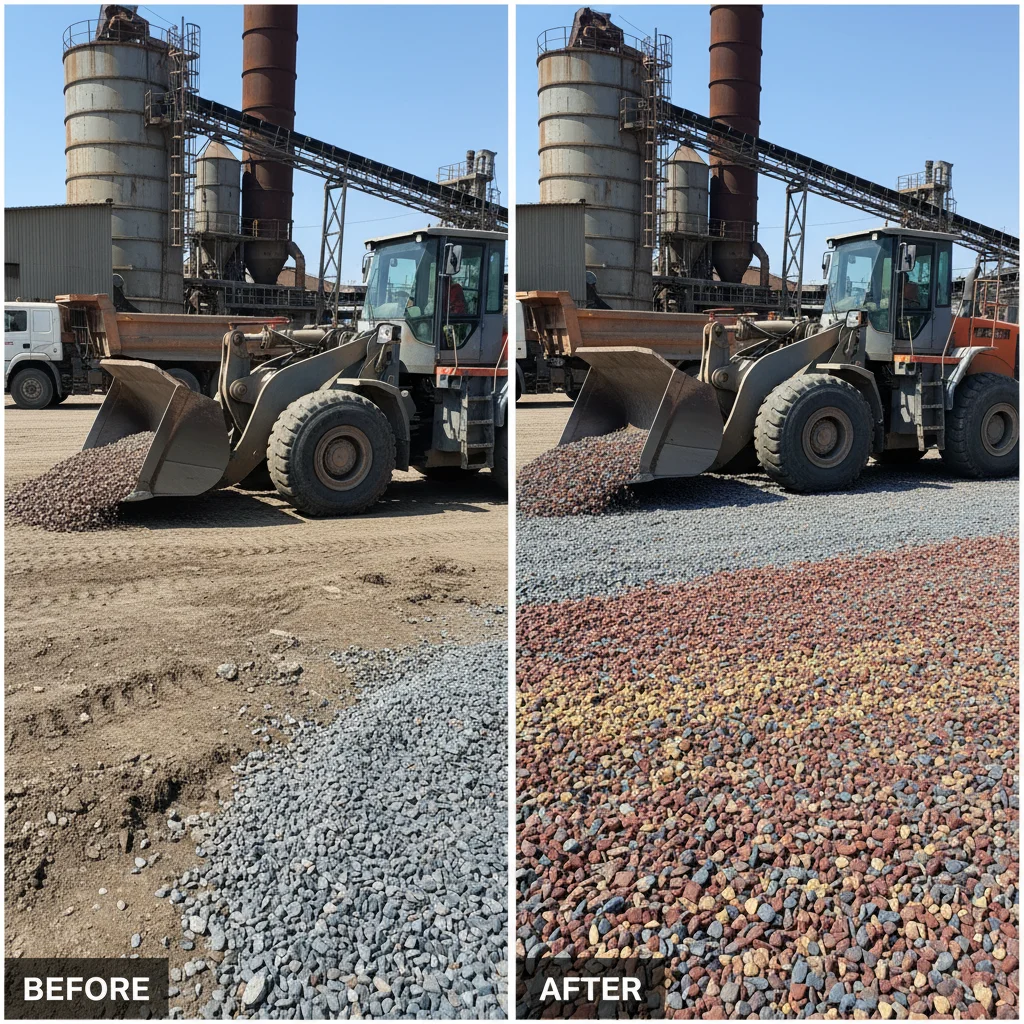
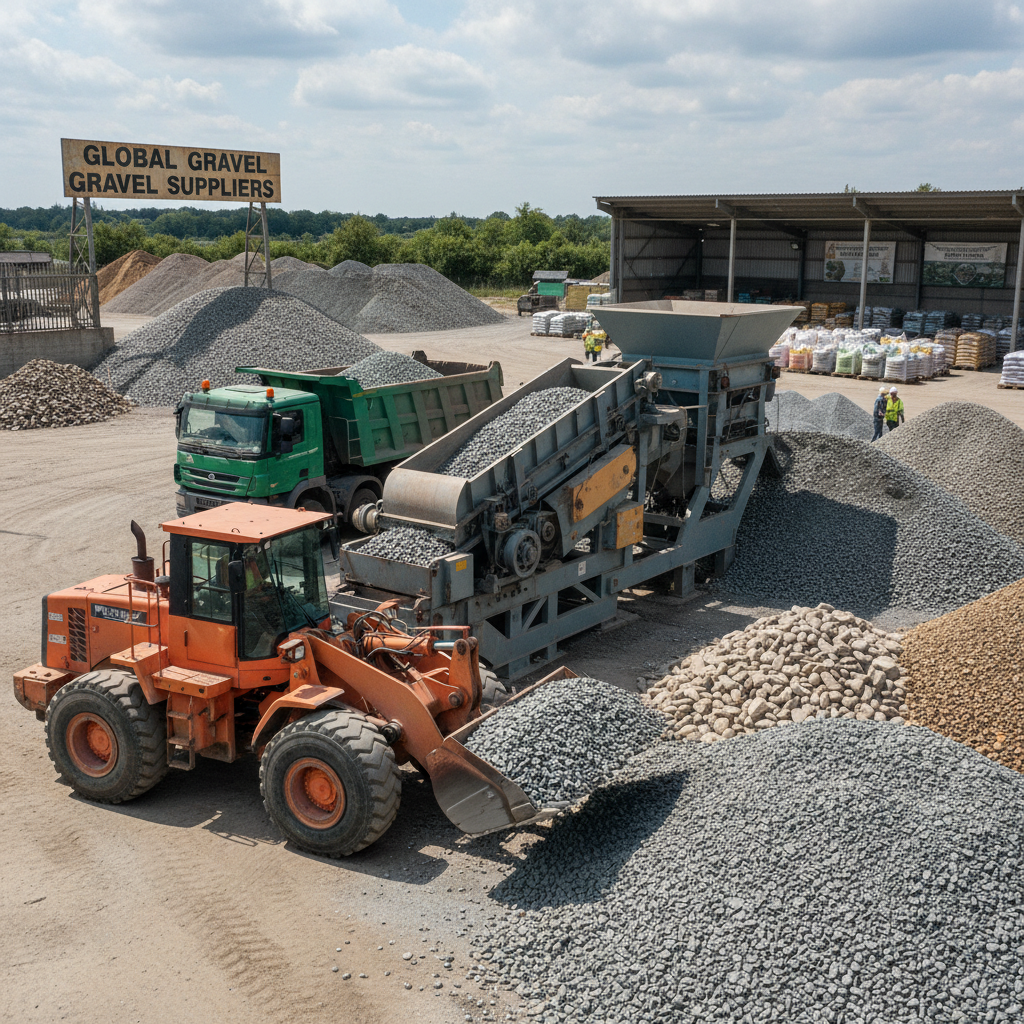
Garden gravel comes in a diverse range of colours, sizes, and materials, each with its own unique aesthetic and functional properties. Common types include pea gravel (small, rounded stones), crushed stone (angular fragments), and decorative gravel (often colourful or polished). The best choice depends on your project's specific needs. For example, pea gravel is ideal for pathways and playgrounds due to its smooth texture, while crushed stone provides excellent drainage for driveways. Consider the intended use, the desired look, and the local climate when making your selection. A reliable garden gravel supplier will offer a variety of these options.
Key Gravel Types: Pea Gravel, Crushed Stone, Decorative Gravel, Granite Gravel, Limestone Gravel, Quartzite Gravel.
Key Factors When Choosing Garden Gravel Suppliers
Beyond the type of gravel, selecting the right supplier is paramount. Several factors should influence your decision. Firstly, assess the supplier's reputation; online reviews and testimonials can provide valuable insights. Secondly, consider the range of products offered; a comprehensive supplier will offer a wider selection, meeting diverse project requirements. Thirdly, evaluate the delivery options and associated costs. Finally, inquire about the quality control processes in place to ensure you receive a consistent, high-quality product. Choosing a supplier that prioritizes these aspects will lead to a more satisfactory outcome.
Comparing Gravel Costs: A Price Breakdown
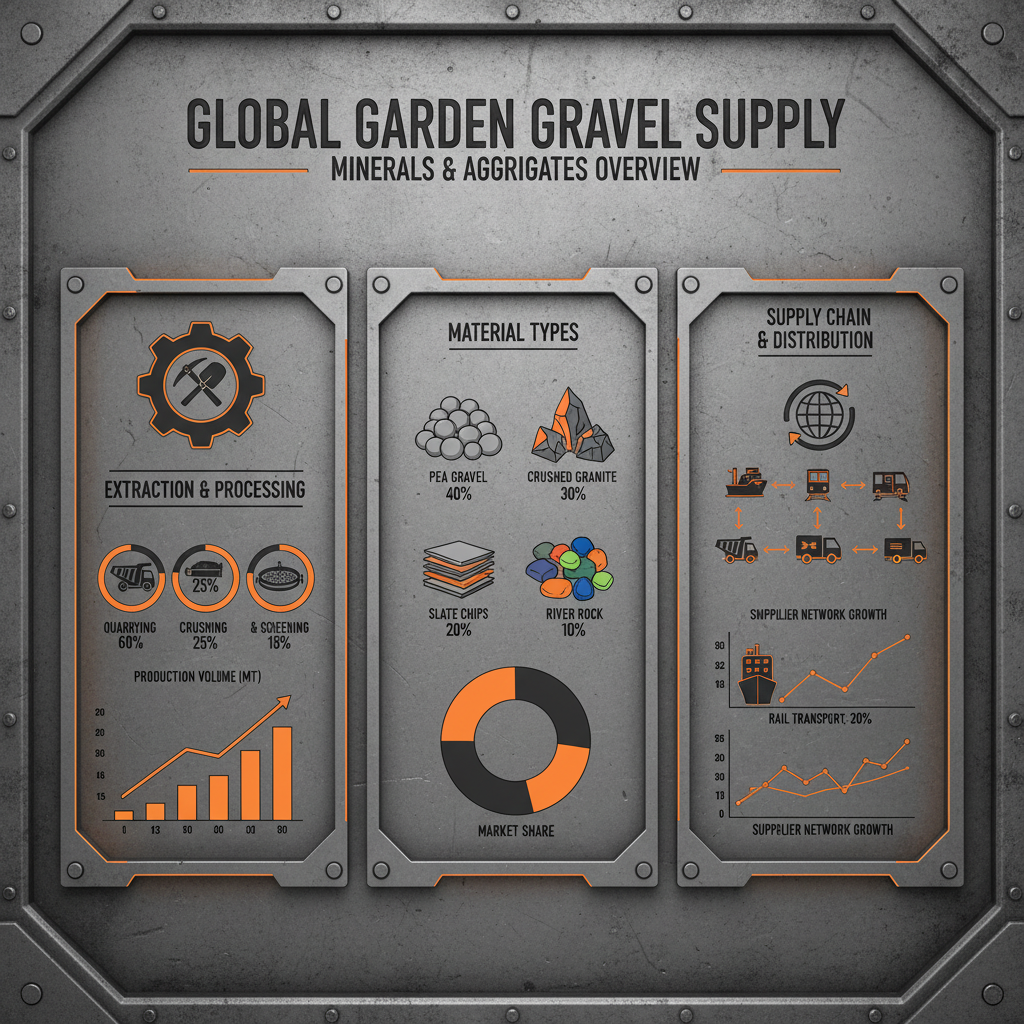
The cost of garden gravel can vary significantly depending on the type, quantity, and location. Here’s a comparative look at the approximate costs per cubic yard (prices are estimates and may vary):
Delivery and Logistics: Ensuring a Smooth Process
Delivery logistics are a critical aspect of working with garden gravel suppliers. Confirm the supplier's delivery area, lead times, and delivery fees. Consider the accessibility of your property and whether a truck can easily maneuver to the desired unloading location. Some suppliers offer bulk bag deliveries, which are convenient for smaller projects, while others deliver loose loads for larger undertakings. A reliable supplier will be able to provide accurate delivery estimates and accommodate your specific needs.
Why Choose CN Floor Materials as Your Garden Gravel Supplier?
At CN Floor Materials, we pride ourselves on providing high-quality garden gravel, exceptional customer service, and competitive pricing. We offer a wide selection of gravel types, catering to diverse landscaping needs. Our efficient delivery network ensures timely and reliable service, and our team is dedicated to assisting you throughout the entire process. We are committed to helping you create beautiful and functional outdoor spaces. We source our materials responsibly and maintain rigorous quality control standards.
Conclusion: Finding the Perfect Gravel for Your Garden
Choosing the right garden gravel suppliers is an investment in the beauty and functionality of your outdoor spaces. By considering the factors outlined in this guide, and partnering with a reputable supplier like CN Floor Materials, you can ensure a successful project and long-lasting results.
Frequently Asked Questions (FAQs)
How much gravel do I need for my project?
Calculating the amount of gravel needed involves determining the area you want to cover and the desired depth. Measure the length and width of the area in feet, multiply those figures to get the square footage. Then, multiply the square footage by the desired depth (in feet) to get the volume in cubic feet. Finally, divide the cubic feet by 27 to convert it to cubic yards. It’s always advisable to add a 5-10% buffer to account for compaction and potential waste. Many suppliers, including CN Floor Materials, offer calculators on their website to simplify this process.
What is the best base for gravel?
A proper base is crucial for a stable and long-lasting gravel installation. For driveways and pathways, a base of compacted crushed stone is recommended. This provides excellent drainage and prevents the gravel from sinking into the soil. For smaller areas or decorative purposes, a layer of landscape fabric can be used to separate the gravel from the soil and prevent weeds from growing through. Ensure the base is thoroughly compacted before adding the gravel layer.
Do I need planning permission for gravel?
Whether you need planning permission depends on local regulations and the scale of your project. Generally, small domestic projects like decorative garden areas don't require permission. However, larger installations, such as gravel driveways that cover a significant portion of your front garden, may require planning approval. It’s always best to check with your local planning authority before starting work to ensure compliance.
How do I maintain a gravel area?
Maintaining a gravel area involves regular raking to redistribute the gravel and keep it looking tidy. Weed control is also important; you can use landscape fabric or regularly remove weeds by hand. Periodically topping up the gravel layer will replenish any material that may have been displaced or lost. Ensure proper drainage is maintained to prevent water from pooling and causing erosion.