Bulk Buy Garden Pebbles: A Global Guide to Smart, Sustainable Sourcing
Why Bulk Buy Garden Pebbles Matters Globally
Garden pebbles might seem like a small detail, but when you bulk buy garden pebbles for landscaping or construction, you're tapping into a globally relevant market with real environmental, economic, and aesthetic importance. From urban parks in Europe to sprawling public gardens in Asia, these little stones do a lot of work – they prevent soil erosion, improve drainage, and help with sustainable landscaping, all at a cost-effective scale.
Oddly enough, when we think about global sustainability goals established by organizations like the UN or ISO standards for landscaping materials, bulk buying garden pebbles fits right in. Large-scale procurement means less packaging waste, lower transport emissions per unit, and a better chance to standardize quality and durability across projects. Essentially, understanding the bulk market for garden pebbles shows us a fascinating intersection of ecology, economy, and design.
Defining Bulk Buy Garden Pebbles: What It Means
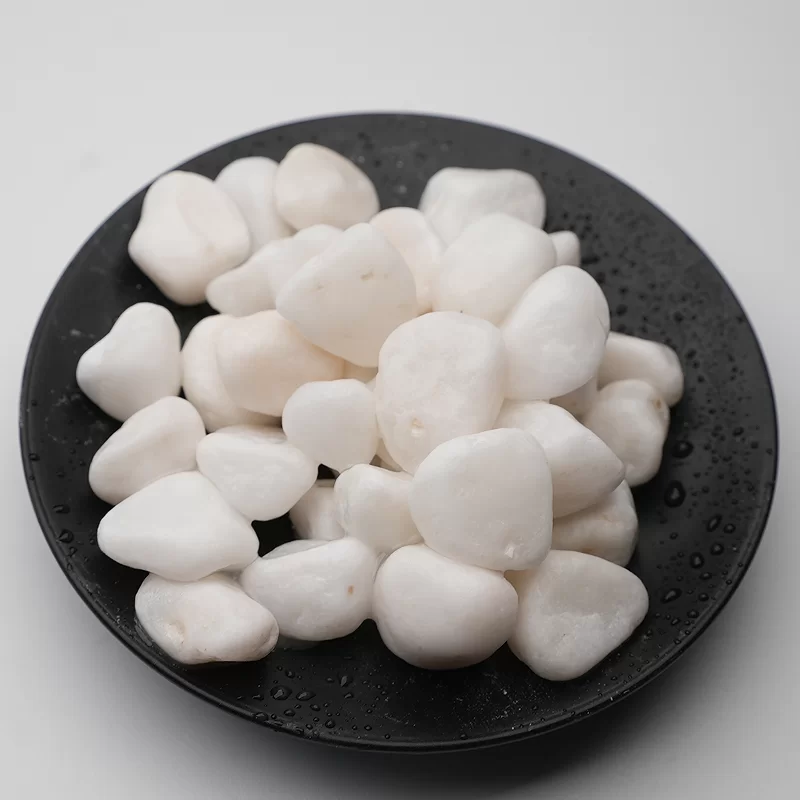
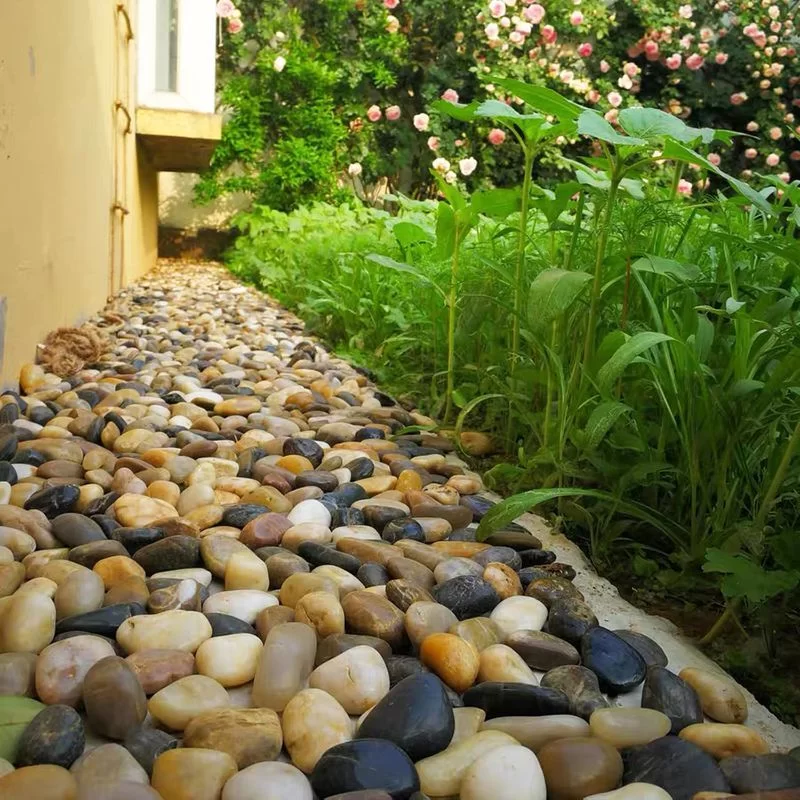
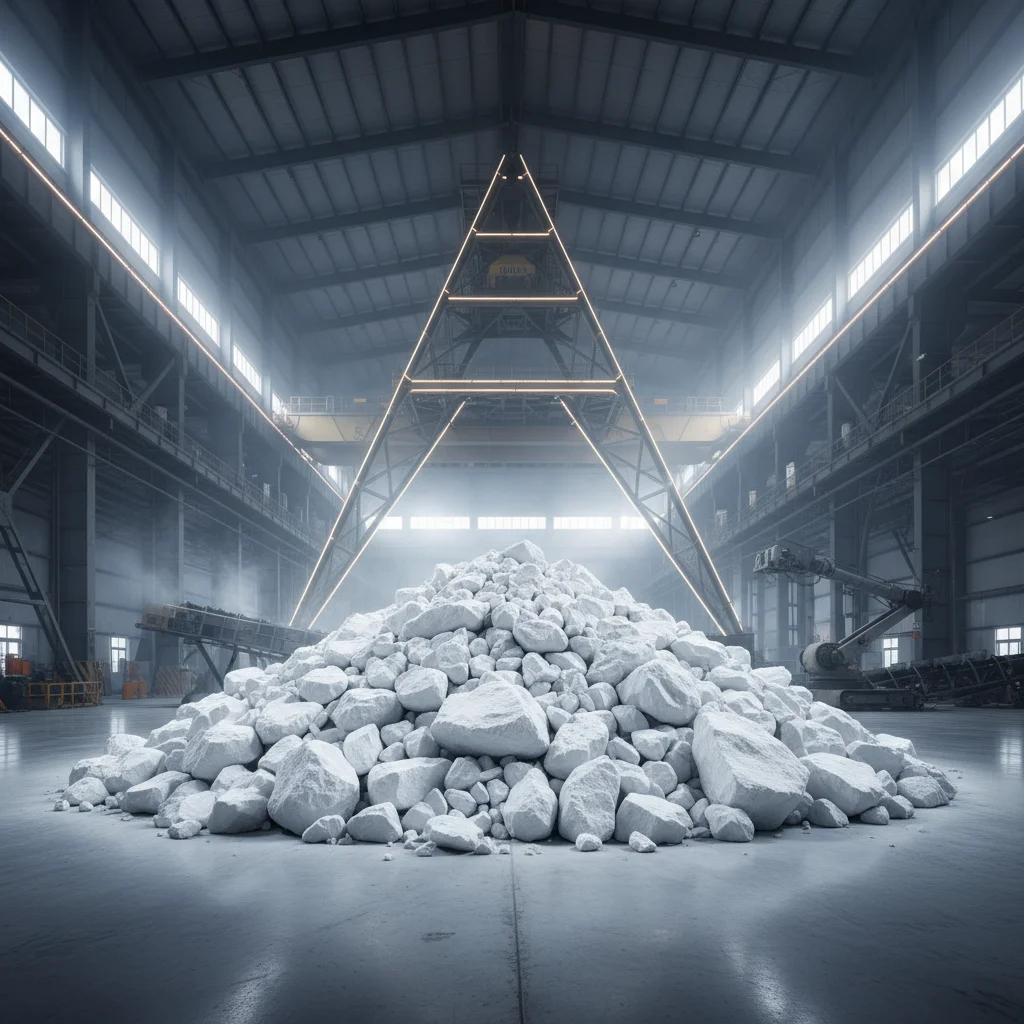
Simply put, bulk buy garden pebbles refers to purchasing large quantities of small, smooth stones commonly used for landscaping, pathways, and outdoor decor. These pebbles come in various sizes, colors, and compositions – typically natural river rock or polished stones. Industrially, they are used as ground cover for commercial gardens, xeriscaping (low-water landscaping), and drainage layers under patios or green roofs.
More than just pretty stones, they’re part of an efficient supply chain that supports modern urban development and environmental projects worldwide. You will find bulk pebble purchases happening not only at garden centers but also in municipal contracts, green infrastructure projects, and even charitable organizations promoting sustainable community gardening.
Key Factors When Considering Bulk Buy Garden Pebbles
Durability and Weather Resistance
Most buyers want pebbles that withstand various weather conditions — from blistering sun to heavy rain. Natural stones usually excel here because they don’t degrade quickly, unlike synthetic alternatives. This factor directly affects how often landscapes need maintenance or replacement. So, when sourcing pebbles, knowing the material type is vital.
Size and Color Uniformity
Whether it’s a sleek, modern lawn or a rustic garden path, the size and color of pebbles matter aesthetically and functionally. Bulk purchases allow for better matching and consistency, which is important for large-scale landscaping projects or commercial spaces emphasizing design standards.
Cost Efficiency
By ordering in bulk, unit prices drop, transport costs become more economical, and handling is streamlined. This factor is critical for landscapers and urban planners working with finite budgets but expecting durability and appearance. Also, because the costs are predictable, tenders and bids become simpler to prepare.
Environmental Impact
Bulk buying tends to reduce packaging waste and carbon footprint per kilogram delivered. Additionally, if pebbles are sourced responsibly—say, from certified quarries or recycled sources—buyers can contribute to sustainable development goals, which many organizations now prioritize.
Versatility and Scalability
Garden pebbles are surprisingly versatile — great for pathways, water features, drainage, and even erosion control. Bulk quantities ensure enough material is on hand, supporting seamless scalability in design or function without interruptions.
Global Applications & Use Cases of Bulk Buy Garden Pebbles
- Urban Parks and Public Spaces: Municipal governments in Europe and North America often bulk buy garden pebbles for park maintenance and improvements.
- Xeriscaping in Arid Regions: In parts of Australia and the American Southwest, bulk pebbles serve drought-resistant landscaping.
- Disaster Relief and Rehabilitation: In post-flood zones or areas vulnerable to soil erosion, NGOs use pebbles as natural stabilizers to protect landscapes.
- Commercial Landscaping: Shopping malls, corporate office parks, and hotels globally rely on bulk pebble purchases for attractive, low-maintenance grounds.
For instance, a community garden project in Kenya ordered in bulk to cover large footprints efficiently, providing both aesthetics and practical soil retention. Such use cases show the real-world impact of sizing the purchase correctly.
Advantages & Long-Term Value of Bulk Buying Garden Pebbles
- Cost Savings: Purchasing large volumes can reduce overall expenses by up to 30% compared to small bags.
- Reduced Environmental Footprint: Consolidated shipments mean fewer vehicles on roads, leading to lower emissions.
- Reliable Supply: Bulk buyers meet fluctuating project demands without risk of running short or overpaying last-minute.
- Enhanced Aesthetic Consistency: Maintaining uniformity in landscaping design is easier with bulk sourcing.
- Social Impact: Supporting sustainable procurement policies can generate goodwill and foster eco-friendly practices.
It's the combination of tactical sense and forward-thinking stewardship — many seasoned landscapers swear by it.
Future Trends & Innovations in Bulk Garden Pebbles
Looking ahead, sustainability will drive innovation. I’m hearing more about pebbles sourced from recycled concrete and crushed glass, which maintain durability while reducing environmental damage. Digital ordering platforms are also making it simpler to compare vendors, place bulk orders, and track shipments globally.
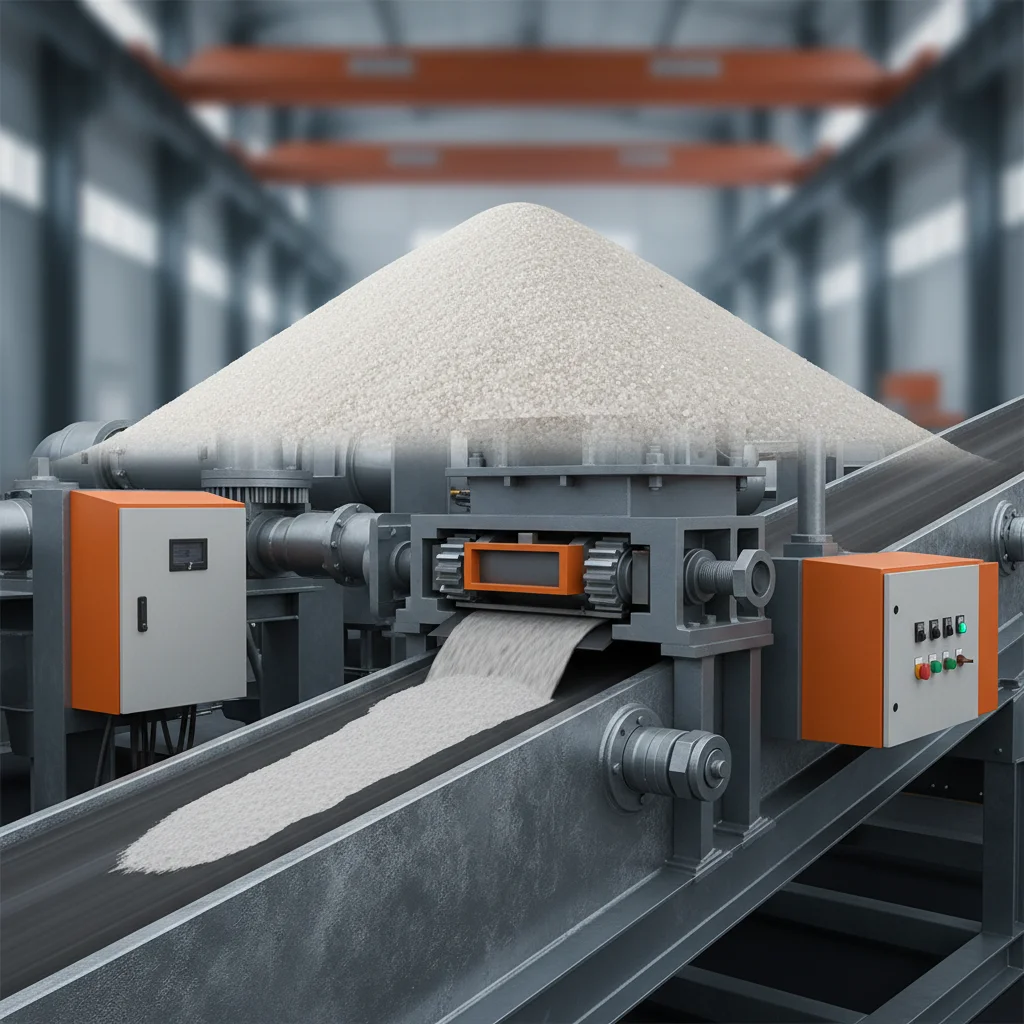
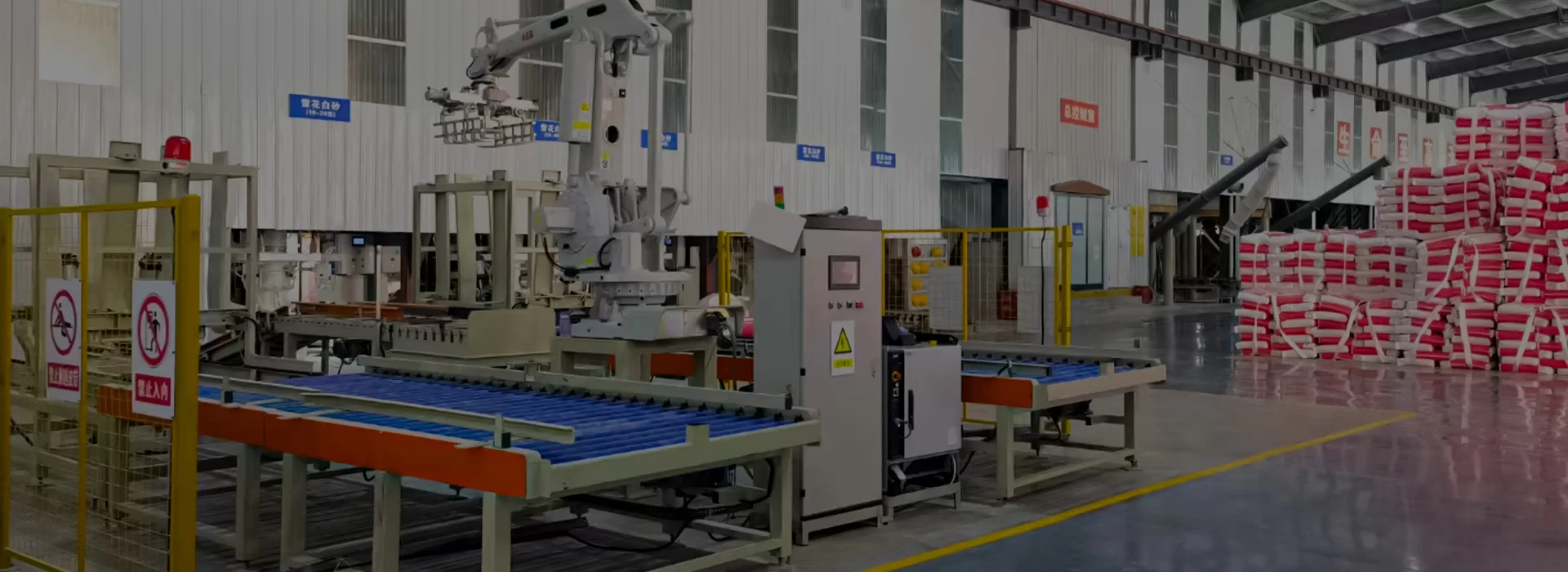
Plus, the integration of automation in quarrying and sorting means quality improves while cost pressures ease. Governments increasingly incentivize sourcing from certified green suppliers, influencing how bulk buyers select products.
Challenges & Solutions in Bulk Buying Garden Pebbles
Of course, there are challenges. Sourcing consistent quality over large volumes can be tricky — variability in shape, size, or coloration might affect the final design. Transporting heavy stones can rack up costs or harm delicate road systems in some regions.
Expert landscapers advise splitting orders among multiple trusted suppliers or opting for premium sorting. Innovations like modular packaging and recycled container shipments are gaining traction to tackle logistics and environmental concerns.
FAQ: Common Questions About Bulk Buy Garden Pebbles
- Q: What quantity defines a bulk buy of garden pebbles?
A: Generally, orders of 1 ton (1000 kg) or more are considered bulk. This varies by supplier. Bulk volumes help reduce unit price and shipping costs. - Q: How can I ensure quality consistency across large bulk orders?
A: Request sample bags first and confirm sorting criteria with the vendor. Some suppliers offer graded pebble sizes and colors for uniformity. - Q: Are bulk garden pebbles eco-friendly?
A: It depends on sourcing. Natural river stones tend to be sustainable if quarried responsibly. Recycled alternatives offer added environmental benefits. - Q: What industries benefit most from bulk pebble orders?
A: Landscaping, agriculture (for erosion control), construction (for drainage layers), and ecological restoration projects.
Product Specifications for Typical Bulk Garden Pebbles
| Specification | Details |
|---|---|
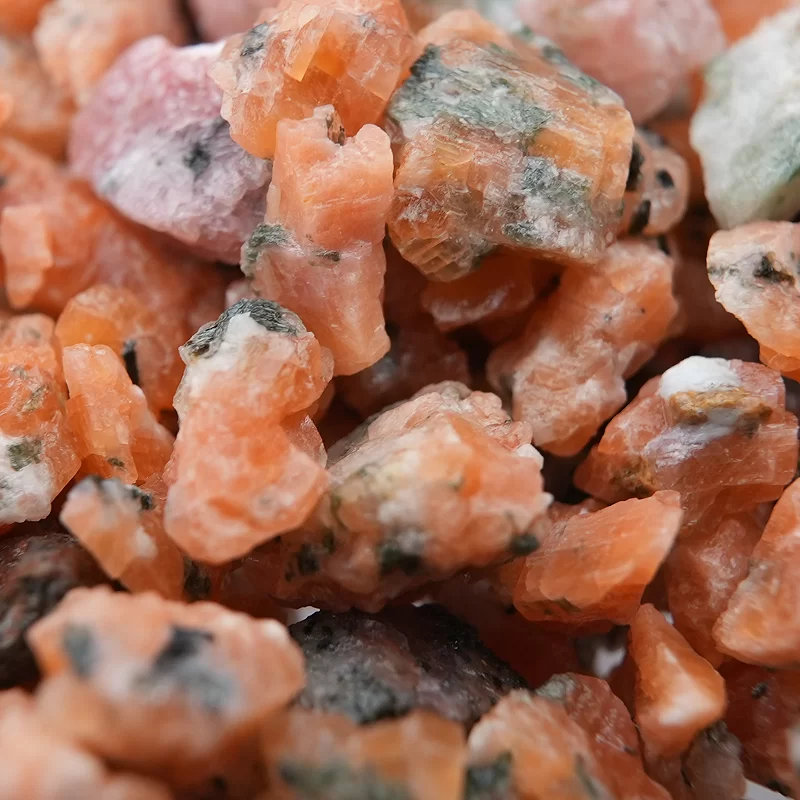
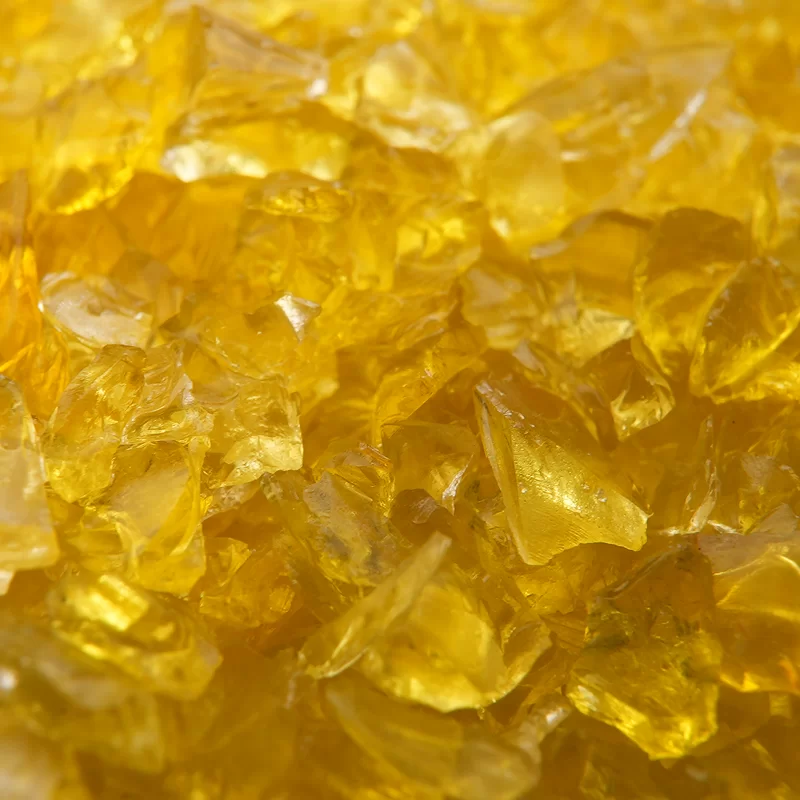
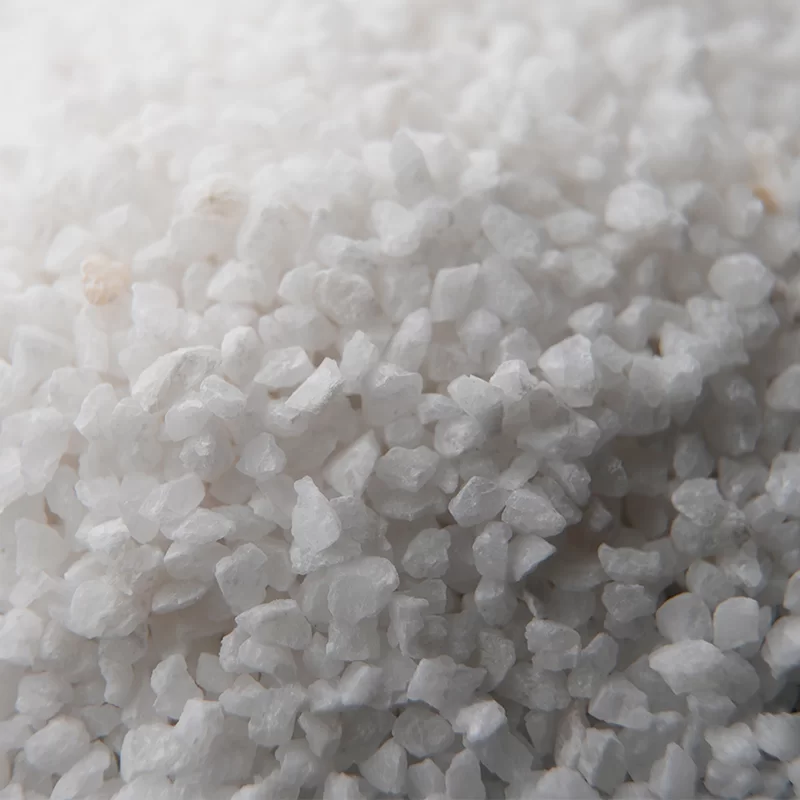
| Material | Natural river rock / Polished granite |
| Size Range | 5 - 20 mm diameter |
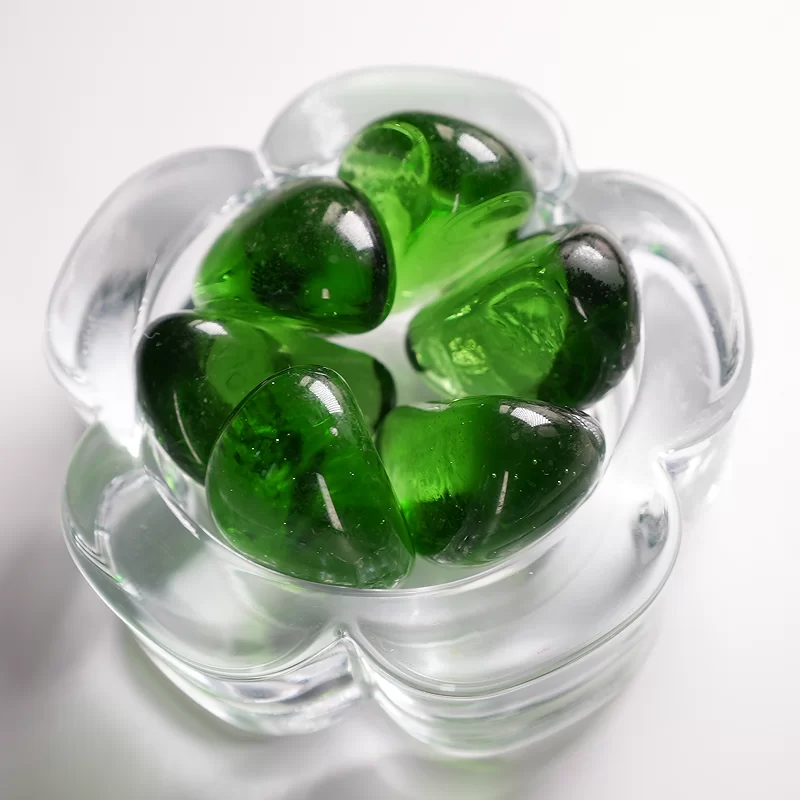
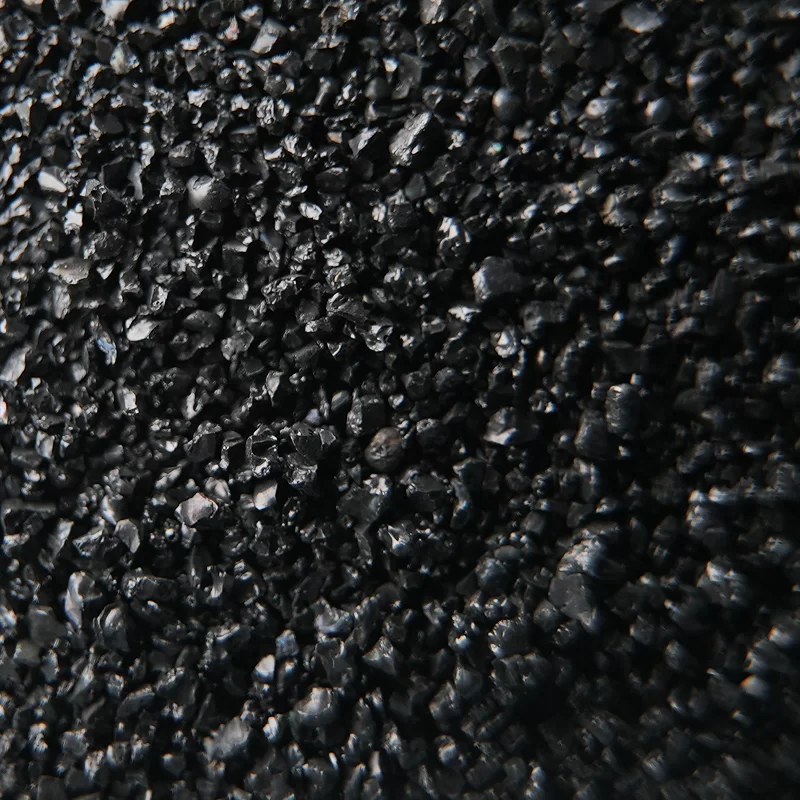
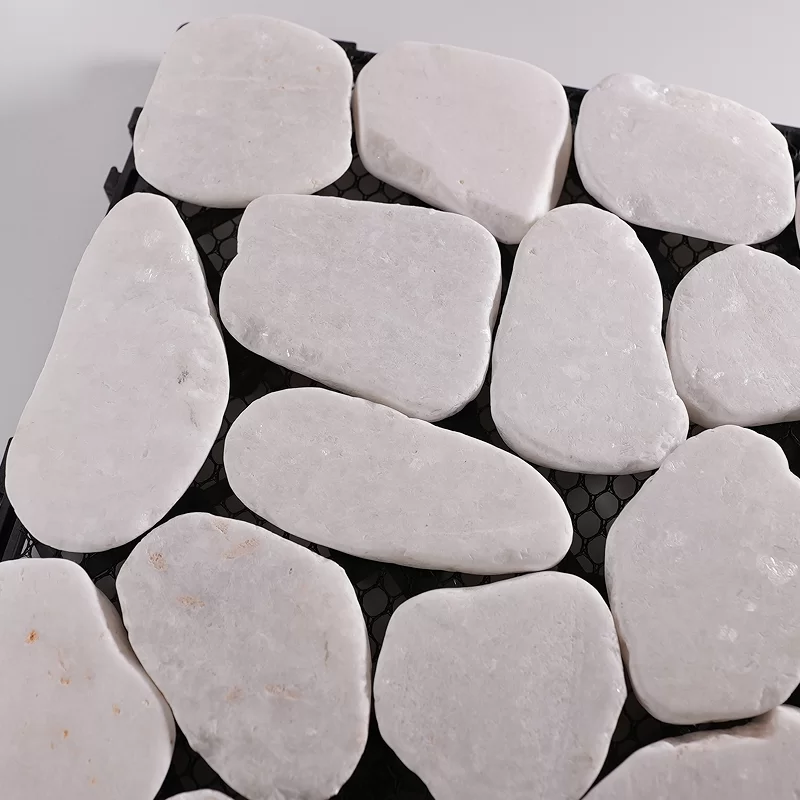
| Color Options | White, gray, black, mixed |
| Packaging | Bulk sacks (up to 1 ton), loose bulk delivery |
| Typical Density | 1600 - 1800 kg/m³ |
Vendor Comparison for Bulk Garden Pebble Suppliers
| Supplier | Min. Order (ton) | Price per Ton (USD) | Quality Certifications | Delivery Options |
|---|---|---|---|---|
| StonePro Ltd. | 1 ton | $150 | ISO 9001, FSC | Road & Sea Freight |
| EcoRock Supplies | 2 tons | $135 | ISO 14001 | Road Freight Only |
| GreenStone Corp. | 0.5 ton | $160 | EcoCert, FSC | Sea Freight & Containerized |
Final Thoughts on Bulk Buy Garden Pebbles
Frankly, buying garden pebbles in bulk is about more than just quantity — it's a strategic step that blends cost savings, sustainability, and reliable supply in landscaping and construction projects worldwide. It feels like an understated cornerstone in green development, one often overlooked but critically valuable.
If you’re considering upgrading your next project or just curious about smart sourcing, I encourage you to explore bulk buy garden pebbles options with trusted suppliers known for quality and eco-conscious practices.