
How to Enhance Your Garden Using Grey Landscape Rock
Transforming Your Outdoors with Grey Landscape Rock
Creating a visually stunning outdoor space requires a balance of texture, color, and durability. One of the most versatile elements a designer can use is grey landscape rock, which provides a timeless aesthetic that complements both modern and traditional garden designs. Whether you are looking to build a serene Zen garden, a rugged retaining wall, or a sophisticated drainage system, grey stones offer a neutral palette that allows your greenery to pop. In this guide, we will explore the various types of grey stones, their practical applications, and how to choose the right material for your specific environmental needs to ensure a long-lasting and professional finish.

Common Types of Grey Landscape Rock
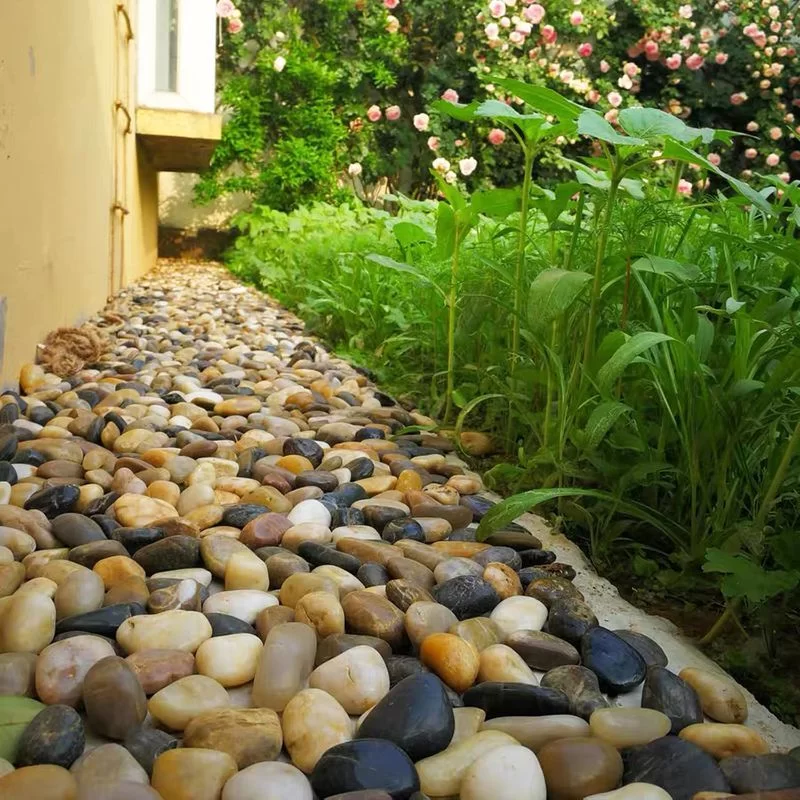
Not all grey rocks are created equal. Depending on the mineral composition, the shade can range from a light silver-grey to a deep charcoal. Popular choices include river pebbles, which are smooth and rounded, ideal for pathways and water features. Crushed granite is another favorite for its sharp edges and excellent stability, making it perfect for driveways. For those seeking a more dramatic look, slate chips provide a flat, layered texture that adds a contemporary architectural feel to any yard. Utilizing high-quality grey landscape rock ensures that your project remains fade-resistant and structurally sound over the years.
Design Tip: Combine different sizes of grey stones—such as large boulders for focal points and small pebbles for ground cover—to create a natural, layered depth in your landscaping.
Practical Applications for Grey Landscape Rock
The utility of grey stone extends far beyond simple decoration. One of the most functional uses is in French drains, where the porous nature of the rock allows water to filter through while preventing soil erosion. Additionally, using these stones as mulch alternatives is becoming increasingly popular because they do not decompose, reducing the need for annual replacements. In urban settings, grey landscape rock is often used in rock gardens to create a low-maintenance, drought-tolerant environment that still looks lush and curated.

Comparing Grey Rock Material Specifications
Choosing the right rock requires understanding the physical properties of the material. For instance, river stones are better for areas where people will be walking barefoot, whereas crushed rock is better for structural support. When selecting your grey landscape rock, consider the hardness (Mohs scale) and the absorption rate to determine how the stone will react to freeze-thaw cycles in colder climates.
Installation Tips for Grey Landscape Rock
To achieve a professional look, proper preparation is key. Start by clearing the area of weeds and leveling the soil. The most critical step is laying down a heavy-duty landscape fabric. This prevents the grey landscape rock from sinking into the dirt and significantly reduces weed growth. Once the fabric is secure, spread the stones evenly, typically to a depth of 2-3 inches for ground cover. For slopes, consider using a geo-grid or a retaining border to keep the stones in place during heavy rain.
Maintaining Your Grey Landscape Rock Features
While stone is low-maintenance, a little care goes a long way in preserving its beauty. Over time, dust and organic debris can accumulate, dulling the natural grey hue. A simple power wash or rinsing with a garden hose every few months will restore the vibrancy of the stones. For river rocks, a diluted vinegar solution can help remove calcium deposits. By choosing premium grey landscape rock, you ensure that the material does not chip or discolor easily, maintaining a high-end look for years.
Environmental Benefits of Using Natural Grey Stones
Switching to stone landscaping is an eco-friendly choice. Unlike synthetic mulches or chemically treated wood chips, natural grey landscape rock is inert and does not leach toxins into the soil. Moreover, it helps in water conservation by reducing evaporation from the soil surface, which means less watering for your surrounding plants. It also creates a stable habitat for beneficial insects and prevents the soil compaction that often occurs with heavy foot traffic in organic gardens.
Conclusion: Elevating Your Property Value
Incorporating grey landscape rock is more than just a design choice; it is a strategic investment in your property's curb appeal and functionality. From the sleek look of slate to the natural charm of river pebbles, grey stones provide a versatile foundation for any outdoor project. By focusing on quality materials and proper installation, you can create a sophisticated, sustainable, and low-maintenance landscape that lasts a lifetime. Explore the possibilities today and redefine your outdoor living space.
Frequently Asked Questions (FAQs)
How much grey landscape rock do I need for my project?
Calculating the amount of rock depends on the square footage and the desired depth. A general rule of thumb is that one cubic yard of rock covers approximately 100 square feet at a depth of 3 inches. To calculate your needs, multiply the length by the width of your area to get the square footage, then multiply by the depth in feet (e.g., 3 inches = 0.25 feet). This will give you the total cubic feet, which you can then divide by 27 to convert to cubic yards. Always order about 10% extra to account for settling and uneven ground.
Does grey landscape rock attract heat in the summer?
Darker shades of grey, such as charcoal or basalt, can absorb more thermal energy than light silver-grey stones. However, compared to black asphalt or dark concrete, grey landscape rocks generally maintain a moderate temperature. To minimize heat absorption in sunny areas, we recommend opting for lighter grey tones. Additionally, mixing stones with greenery or placing them in partially shaded areas can help regulate the temperature of your garden, ensuring that the rocks don't overheat the roots of nearby plants.
Can I use grey landscape rock for a driveway?
Yes, but the type of rock is crucial. For driveways, you should avoid smooth river pebbles as they can shift under the weight of a vehicle, creating a "rolling" effect that is unstable. Instead, use crushed grey granite or limestone. These angular stones lock together when compacted, providing a firm and durable surface. For the best results, we recommend a layered approach: a base of larger crushed rock for stability, topped with a finer layer of grey landscape rock for a polished finish.
How do I prevent weeds from growing through my grey stones?
The most effective way to prevent weeds is by installing a high-quality, non-woven geotextile landscape fabric beneath the rocks. This fabric acts as a physical barrier that stops weed seeds in the soil from reaching the surface. It is also important to keep the rock layer thick enough (at least 2-3 inches) to block sunlight from reaching any seeds that may blow in from the top. If a few weeds do appear, they are typically easier to pull from stone than from soil. Periodic rinsing of the stones also helps remove the organic debris that weeds often use as a growing medium.