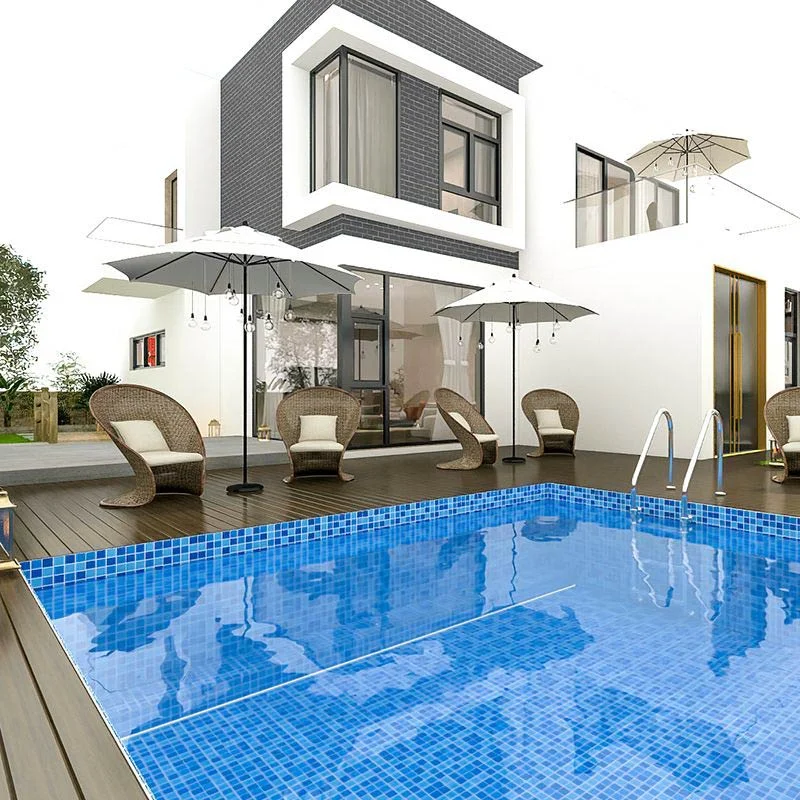
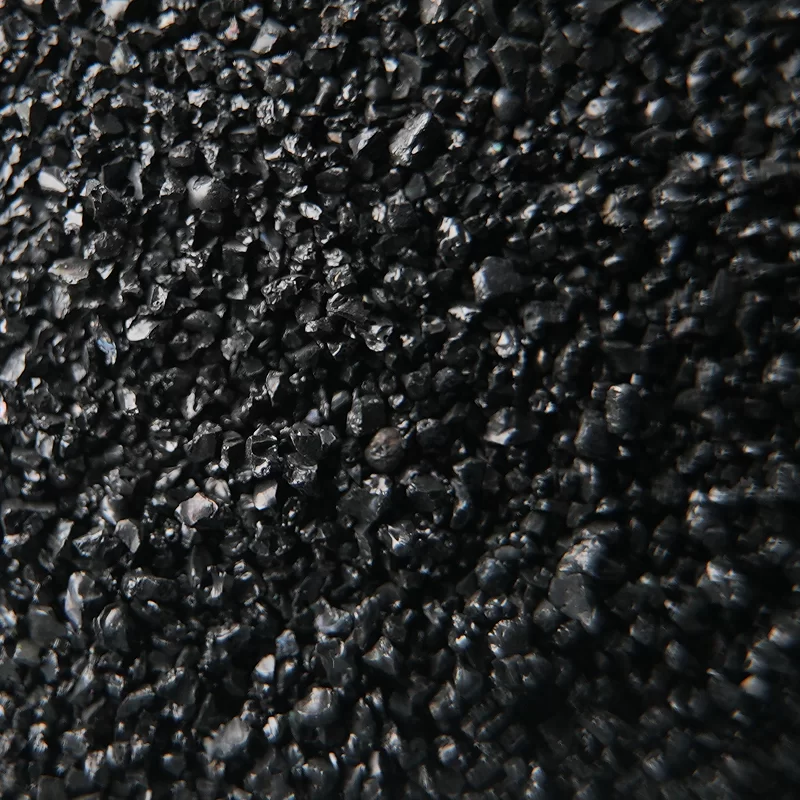
Maintaining crystal clear water in residential and commercial swimming pools requires a sophisticated filtration medium that can effectively trap microscopic debris without compromising flow rates. High-purity quartz sand for pool filter stands as the industry standard due to its chemical stability, precise grain sizing, and exceptional durability, ensuring that water remains sanitary and aesthetically pleasing for all users.
Across the globe, the demand for efficient water treatment solutions has grown as urban swimming facilities and luxury resorts prioritize hygiene and sustainability. Utilizing a specialized grade of silica, the application of quartz sand in filtration systems provides a reliable physical barrier against contaminants, reducing the reliance on excessive chemical additives and extending the lifespan of pool equipment.
Understanding the nuances of mineral purity and particle distribution is essential for any facility manager or homeowner. By selecting the right quartz sand for pool filter, you can significantly optimize the backwashing process, lower operational costs, and ensure a safer swimming environment that meets international health and safety standards.
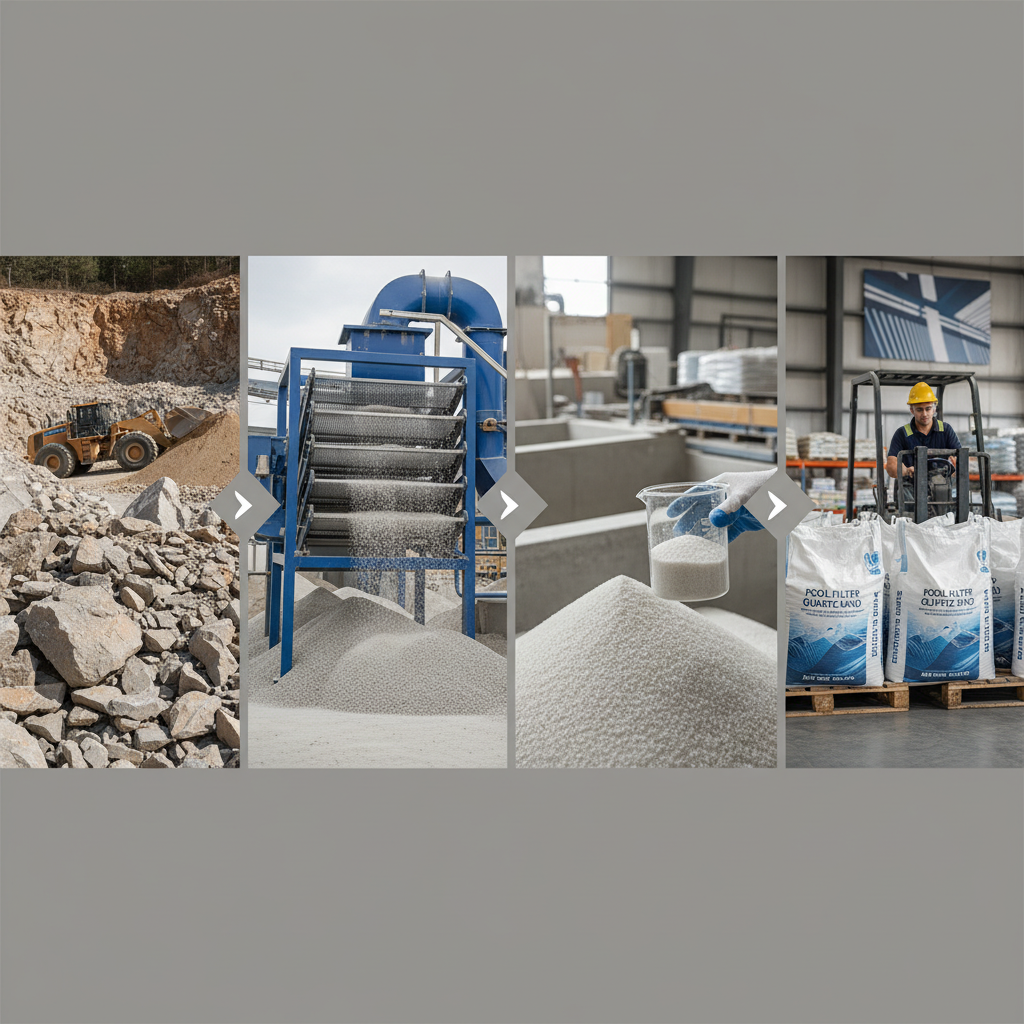
Global Industry Context of Pool Filtration Media
The global swimming pool market has seen a surge in growth, with increasing urbanization and a heightened focus on wellness driving the construction of aquatic centers. According to international industry trends, the shift toward automated filtration systems has made the quality of the filter media more critical than ever. The use of quartz sand for pool filter applications has become the benchmark for efficiency because it balances cost-effectiveness with high-performance debris removal.
However, the industry faces a significant challenge: the prevalence of low-grade silica that contains impurities. These impurities can lead to "channeling," where water carves a direct path through the sand without being filtered, or cause chemical imbalances in the pool water. Consequently, there is a global push toward ISO-certified, high-purity quartz sand that guarantees consistent grain size and mineral stability.
Defining High-Purity Quartz Sand for Pool Filters
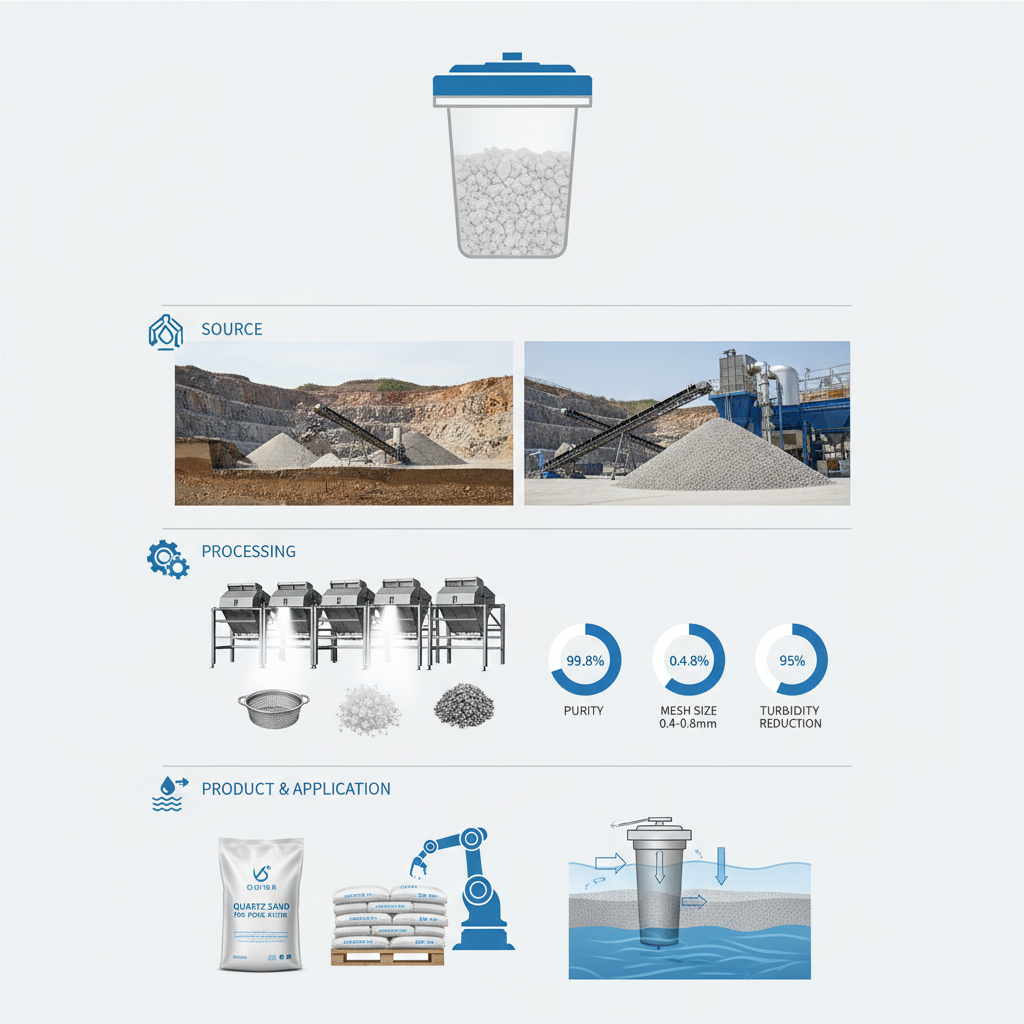
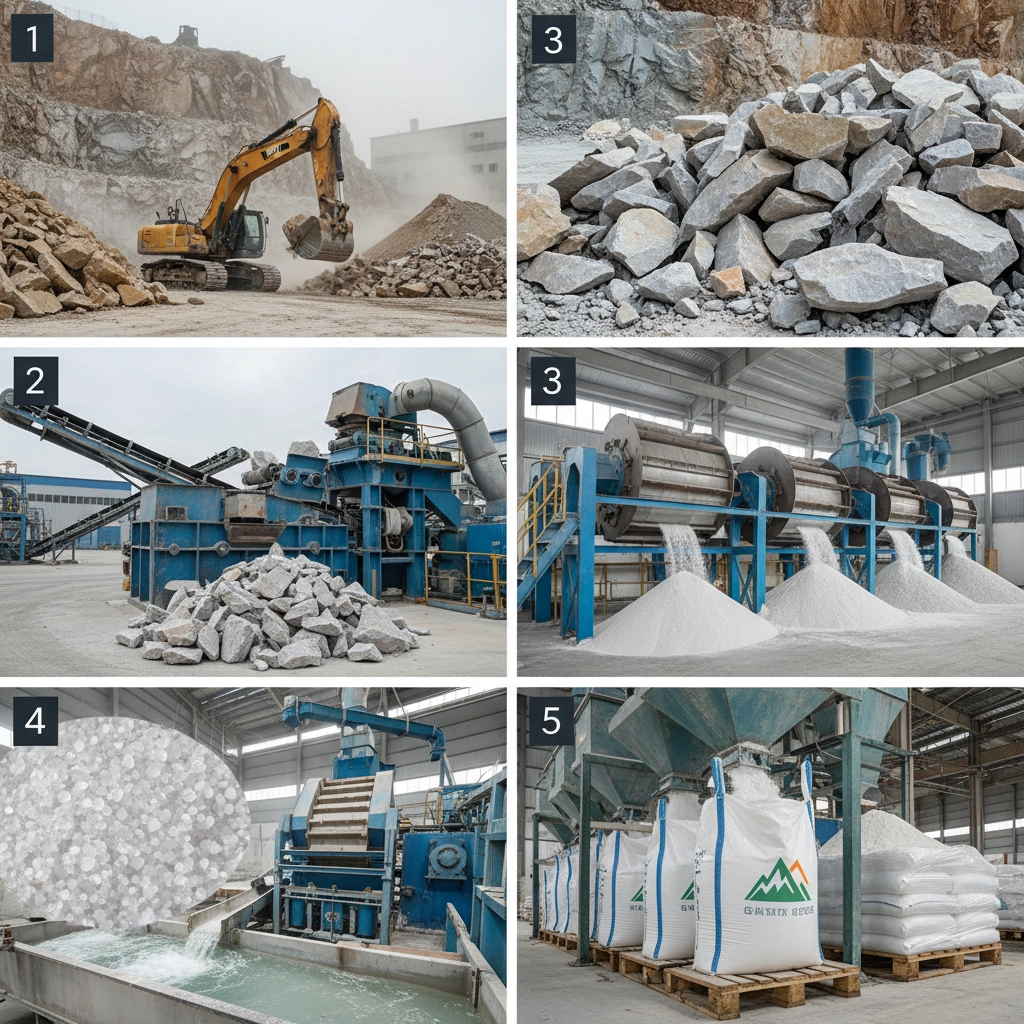
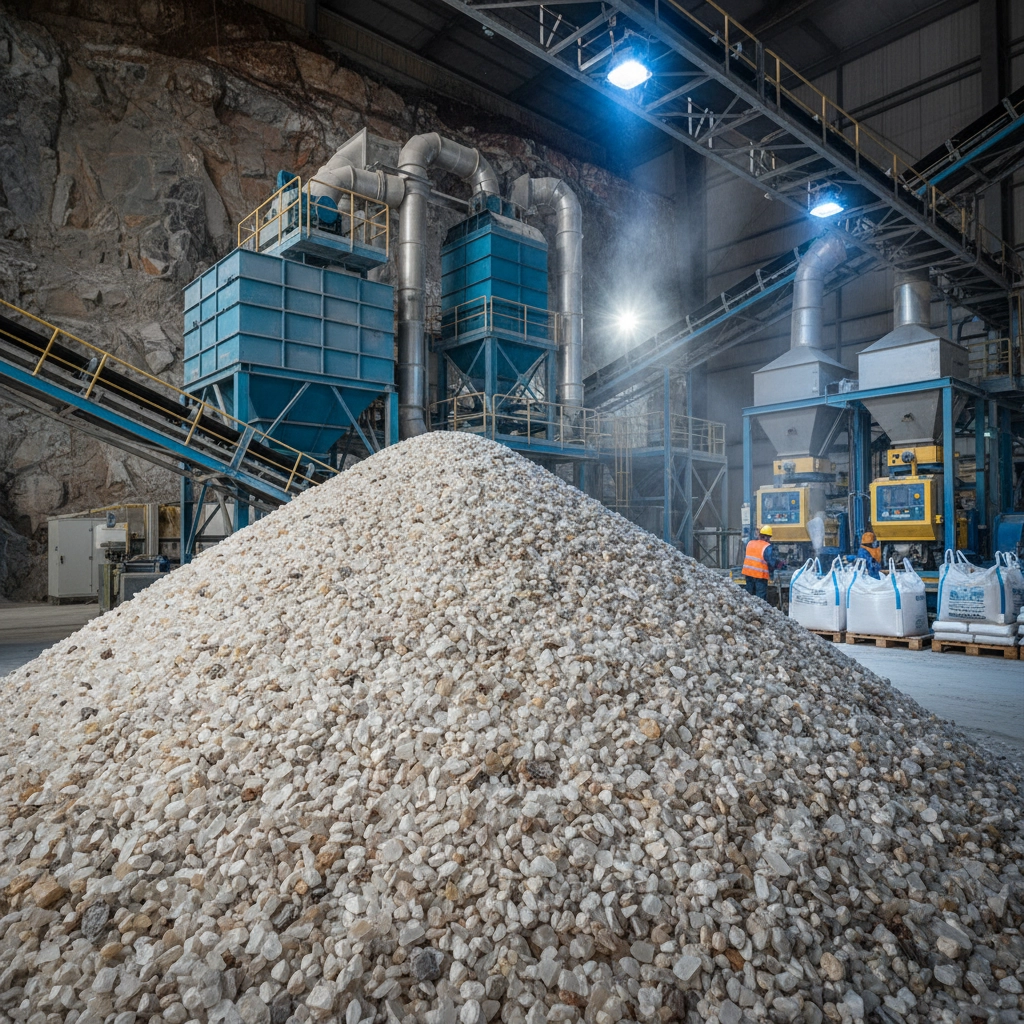
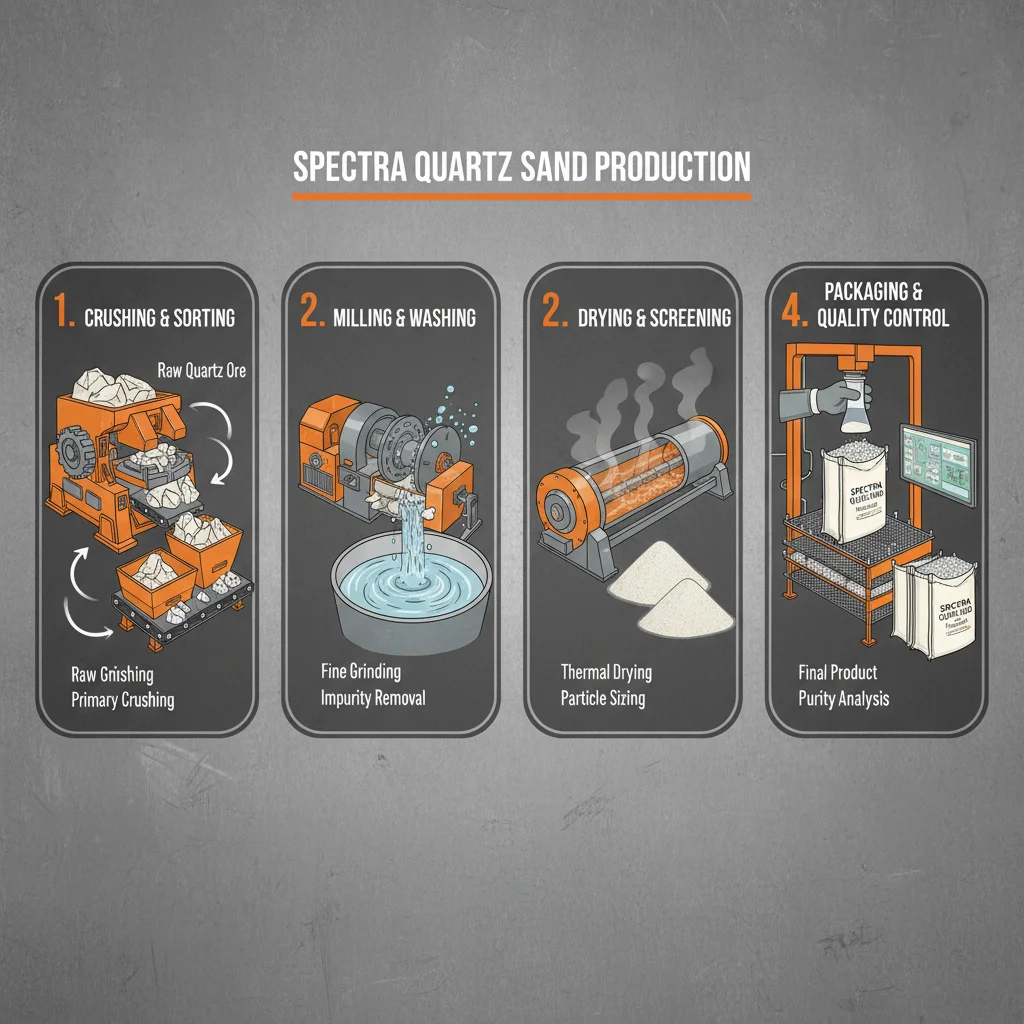
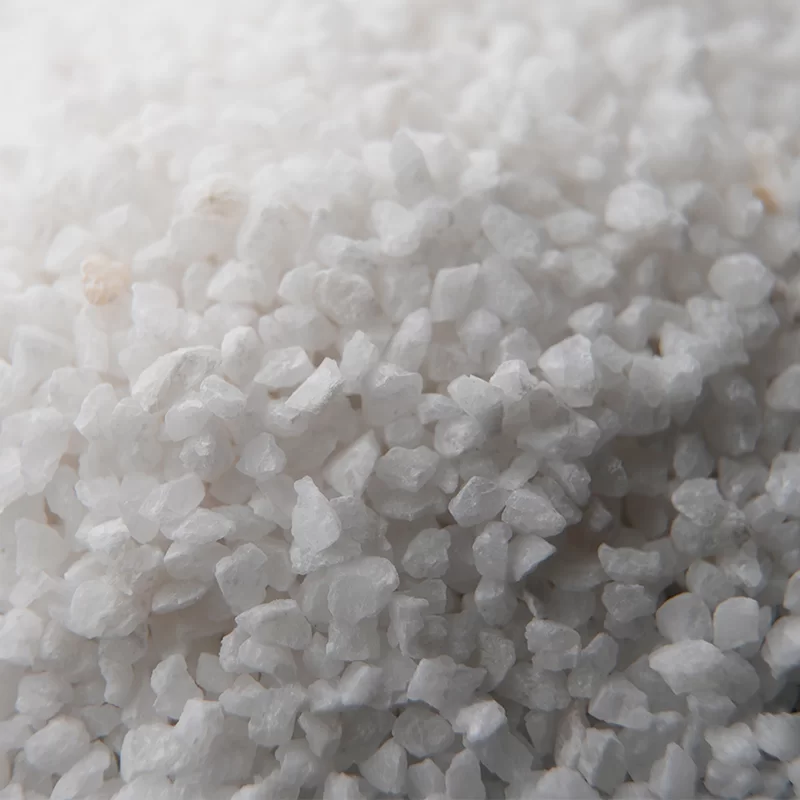
In simple terms, quartz sand for pool filter is a specialized form of silica sand that has been meticulously washed, dried, and screened to remove organic matter and silt. Unlike construction sand, which is coarse and uneven, filter sand is engineered to have a specific "effective size" (usually between 0.4mm and 0.8mm), creating a dense, permeable bed that traps particles as small as 20 to 40 microns.
This material is intrinsically linked to modern humanitarian and public health needs, as clean water in public pools prevents the spread of waterborne pathogens. By providing a consistent mechanical filtration process, quartz sand ensures that chlorine and other disinfectants can work more efficiently, reducing the overall chemical load introduced into the environment.
From a geological perspective, the quartz used must be highly resistant to chemical erosion. Because pool water is often treated with aggressive pH adjusters and oxidizers, the sand must be chemically inert to prevent it from dissolving or leaching unwanted minerals back into the water, which would otherwise cause cloudiness or scaling on the pool walls.
Core Technical Components for Effective Filtration
One of the primary factors in the performance of quartz sand for pool filter is its grain size distribution. A uniform grain size ensures that the gaps between the sand particles are consistent, preventing the water from finding the path of least resistance and ensuring every drop of water is thoroughly filtered.
Durability and hardness are equally critical. Quartz is one of the hardest common minerals (7 on the Mohs scale), which means that during the vigorous backwashing process—where water is pumped in reverse to clean the bed—the grains do not rub together and break down into smaller, useless fines. This longevity reduces the frequency of media replacement, offering significant cost efficiency.
Finally, the purity of the SiO2 content determines the clarity of the water. High-purity silica minimizes the risk of introducing iron or manganese into the pool, which could cause staining. When these three factors—uniformity, hardness, and purity—align, the result is a filtration system that operates with maximum scalability for any pool size.
Global Applications and Real-World Use Cases
The application of quartz sand for pool filter extends far beyond backyard pools. In large-scale Olympic aquatic centers in Europe and North America, these systems are integrated into massive industrial sand filters that process millions of gallons of water per day. The reliability of quartz ensures that these facilities can maintain strict hygiene standards under heavy load.
In remote industrial zones or luxury resorts in Southeast Asia, where water quality may be compromised by high mineral content in the local supply, quartz sand serves as the first line of defense. By combining it with pre-filtration stages, operators can achieve a level of water purity that rivals bottled water, ensuring guest safety and equipment longevity.
Efficiency Rating of Different Quartz Sand Grades for Pool Filters
Long-Term Value and Sustainability Advantages
Investing in high-quality quartz sand for pool filter provides tangible long-term value by drastically reducing the frequency of media replacement. While cheaper alternatives might seem attractive initially, they often degrade quickly, leading to poor water quality and increased pump strain. The reliability of premium quartz sand ensures a consistent flow rate, which optimizes energy consumption for the pool's circulation pumps.
Beyond the financial aspect, there is a significant environmental and social impact. High-efficiency filtration reduces the amount of backwash water wasted and lowers the quantity of chemicals needed to keep the pool sanitary. This commitment to sustainability reflects a modern approach to luxury and health, providing peace of mind to owners who value both innovation and ecological responsibility.
Future Trends in Filtration Materials
The future of pool filtration is moving toward "smart" media. We are seeing the integration of antimicrobial coatings on quartz sand for pool filter, which can actively neutralize bacteria and algae on contact. This digital and chemical transformation is designed to further reduce the carbon footprint of pool maintenance.
Automation is also playing a role, with AI-driven sensors that can detect when the sand bed is saturated. Instead of scheduled backwashing, these systems trigger a cleaning cycle only when necessary, saving thousands of gallons of water per year. This synergy between traditional mineral media and modern technology is redefining water management.
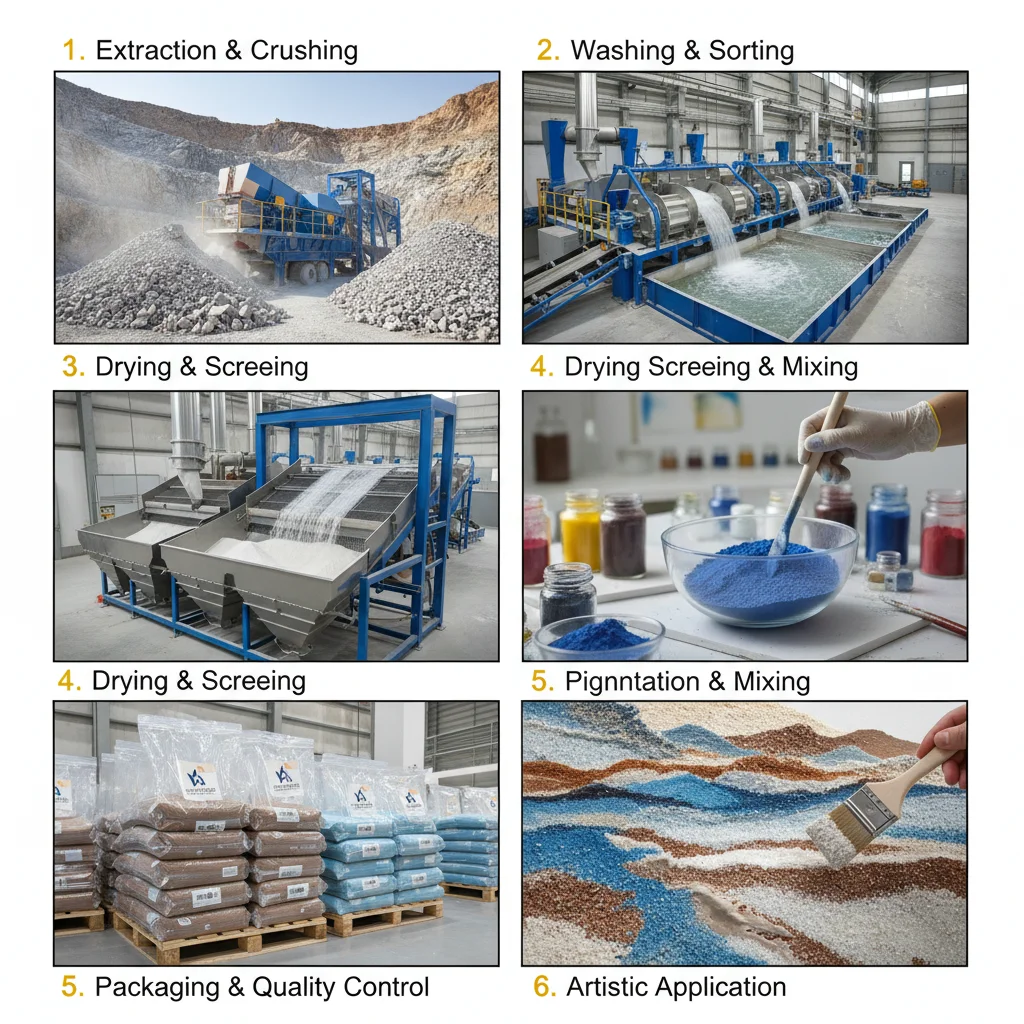
Moreover, there is a trend toward "green" mining and processing. New methods of extracting and washing quartz sand focus on closed-loop water systems and reduced energy consumption, ensuring that the materials used to clean our pools are produced in an environmentally conscious manner.
Common Challenges and Expert Solutions
One of the most common limitations in current pool filtration is "calcification," where calcium deposits build up on the grains of quartz sand for pool filter. This effectively glues the sand together, creating "clumps" that block water flow and reduce filtration efficiency. Expert insight suggests the use of periodic acid washes or the installation of scale inhibitors to maintain the fluidity of the sand bed.
Another challenge is the selection of the wrong grain size for the specific filter tank. Using sand that is too fine can lead to excessive pressure build-up and potential tank failure, while sand that is too coarse allows debris to pass through. The solution lies in strictly adhering to the manufacturer's specifications and utilizing a professional sieve analysis to verify material quality.
Lastly, organic fouling—where oils and lotions create a biofilm over the sand—can hinder performance. To overcome this, we recommend the use of enzyme-based cleaners that break down organic fats without damaging the quartz structure, ensuring the filter remains porous and effective over several seasons.
Comparative Analysis of Quartz Sand Filtration Performance
| Material Grade |
Filtration Accuracy |
Backwash Efficiency |
Lifespan (Years) |
| Low-Grade Silica |
Low (50-100μm) |
Poor |
1-2 |
| Standard Quartz |
Medium (30-60μm) |
Moderate |
3-5 |
| Premium Filter Grade |
High (20-40μm) |
Excellent |
5-8 |
| Industrial Grade SiO2 |
High (25-45μm) |
Good |
4-6 |
| Washed Eco-Sand |
Medium (35-55μm) |
Good |
3-5 |
| Super-Pure Quartz |
Ultra-High (15-30μm) |
Optimal |
7-10 |
FAQS
Typically, high-quality quartz sand for pool filter systems should be replaced every 3 to 5 years. However, this can vary based on the pool's usage, the environment (e.g., nearby trees), and how regularly you backwash the system. If you notice a permanent increase in pressure or a decrease in water clarity despite cleaning, it's likely time for a replacement.
No, this is strongly discouraged. Regular sand contains organic impurities, silt, and uneven grain sizes that can clog your pump, cause "channeling" in the filter bed, and introduce contaminants into your pool. Professional filter sand is washed and screened to a precise size to ensure optimal flow and filtration efficiency.
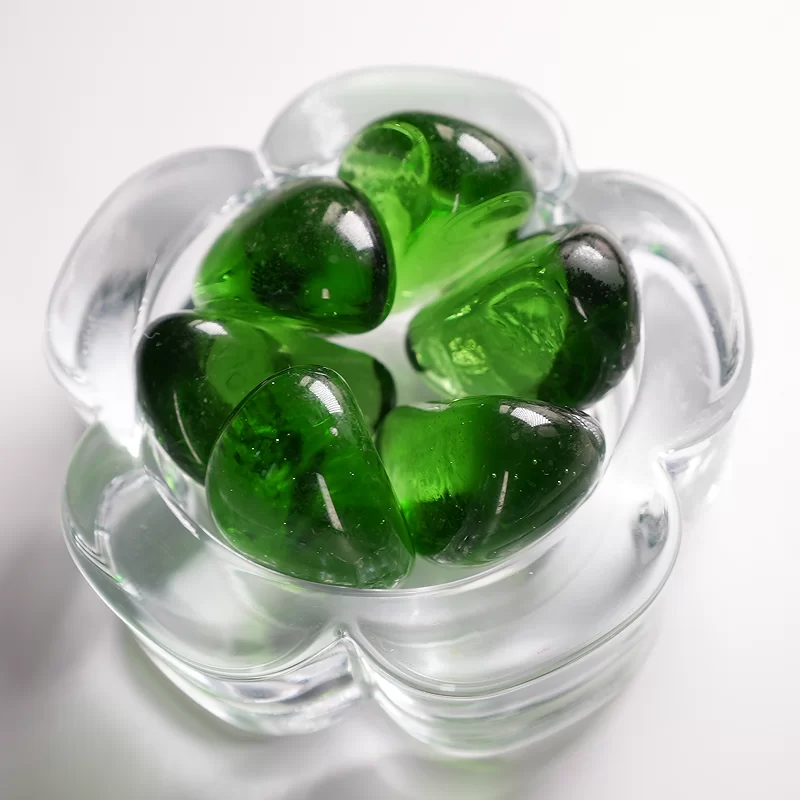
Quartz sand is a natural mineral that is highly durable and cost-effective. Glass media is man-made and often claims to filter smaller particles. However, quartz sand for pool filter remains the industry favorite for its chemical inertness, stability, and lower initial cost, making it more accessible for most commercial and residential applications.
Channeling occurs when water creates a hole through the sand, bypassing the filtration process. Signs include water that remains cloudy even after a long filtration cycle or a pressure gauge that reads lower than normal during operation. This usually happens with low-grade sand or if the filter has not been backwashed properly.
The color itself (usually white or light tan) does not affect the mechanical filtration. However, an extremely white sand usually indicates a higher purity level and the absence of iron or manganese oxides, which is preferable as it prevents staining of the pool's interior surface.
For large-scale projects, it is best to partner with a certified supplier that provides a sieve analysis report and a certificate of purity. Ensure the supplier uses moisture-proof packaging to prevent clumping during shipping. Visiting a professional provider like www.cnfloormaterials.com can help you secure the right grade for international logistics.
Conclusion
In summary, the selection of high-purity quartz sand for pool filter is not merely a maintenance choice but a strategic decision that impacts water hygiene, equipment longevity, and operational costs. By focusing on the core pillars of grain uniformity, chemical purity, and physical durability, pool operators can ensure a superior swimming experience that balances high performance with environmental sustainability.
Looking ahead, as we embrace smarter water management and greener mining practices, the role of refined silica will only grow. We recommend that facility managers transition to ISO-certified premium media to future-proof their investments and reduce their chemical footprint. For more information on high-performance filtration media, visit our website: www.cnfloormaterials.com