
Popular Colors of Resin Bound Pebbles for Landscaping
Resin bound surfacing has become increasingly popular in modern landscaping because it combines durability, permeability, and aesthetic flexibility. One of the most attractive features of resin bound systems is the wide variety of pebble colors available. From warm natural tones to modern neutral shades, resin bound pebbles allow homeowners, landscape designers, and contractors to create visually appealing outdoor surfaces that complement different architectural styles.
Choosing the right color is an important step in designing pathways, patios, driveways, and garden spaces. Different pebble colors can influence the atmosphere of a landscape, highlight structural elements, or blend seamlessly with natural surroundings. In this article, we will explore the most popular colors of resin bound pebbles and how they can be used effectively in landscaping projects.
Natural Brown Resin Bound Pebbles for Warm Landscape Designs
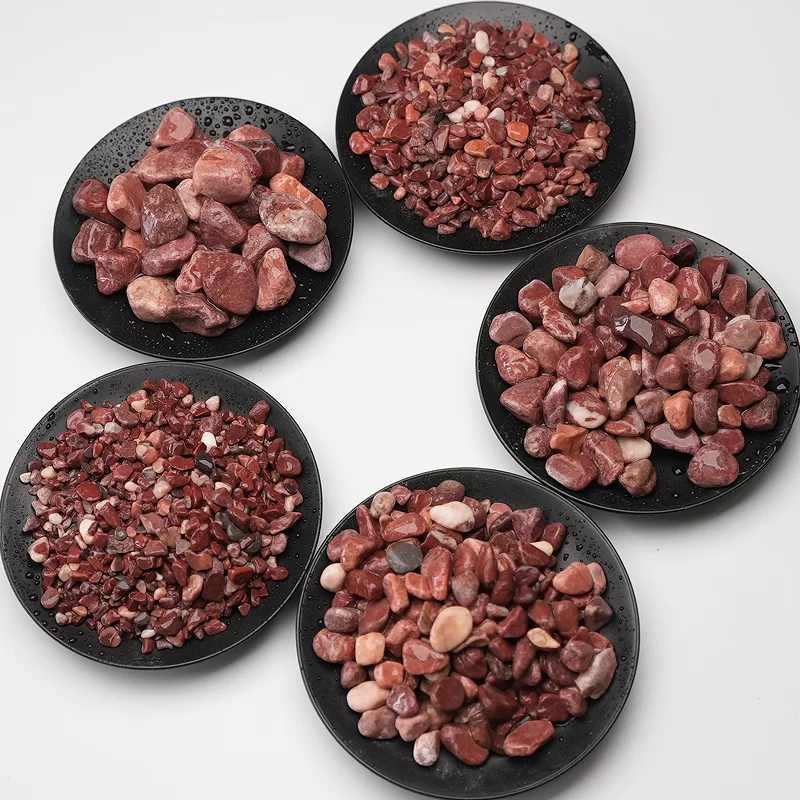
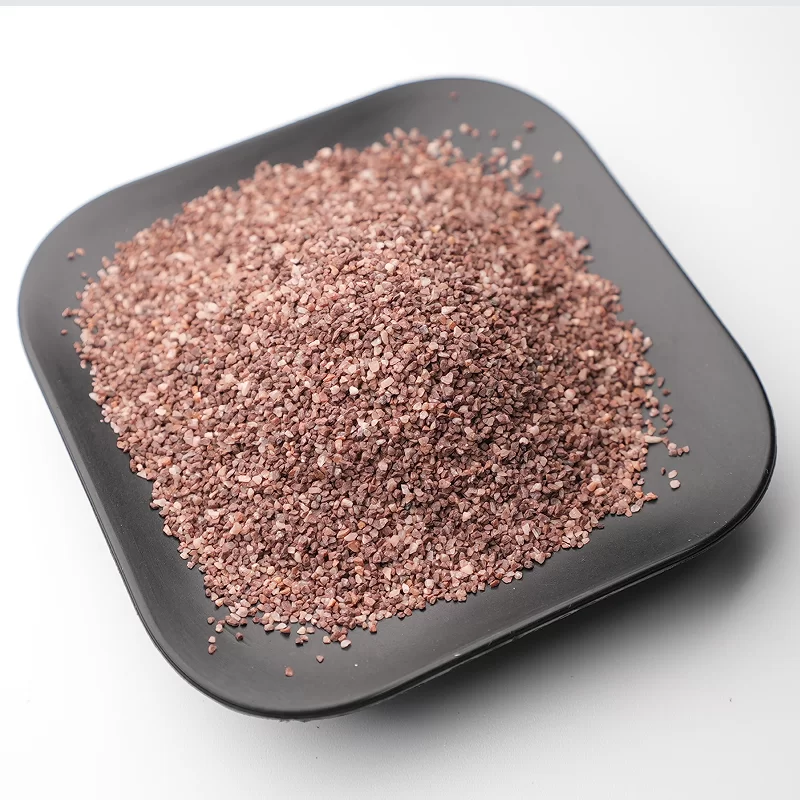
Natural brown tones are among the most widely used resin-bound pebbles in landscaping. These pebbles often include shades such as chestnut brown, caramel, and earthy amber, which mimic the colors commonly found in natural soil and stone.
Brown resin bound pebbles work particularly well in traditional gardens, countryside homes, and rustic outdoor environments. Because the color blends easily with trees, wooden fences, and natural grass areas, it creates a harmonious and organic look. This makes it a popular choice for garden paths, courtyard surfaces, and park walkways.
Another advantage of brown-toned pebbles is their ability to hide dirt and minor surface stains. In high-traffic areas such as driveways or public walkways, this practical benefit helps maintain a clean appearance over time. When combined with resin binders, these pebbles create a smooth and stable surface that still preserves the natural texture of stone.
Golden Yellow Resin Bound Pebbles for Bright Outdoor Spaces
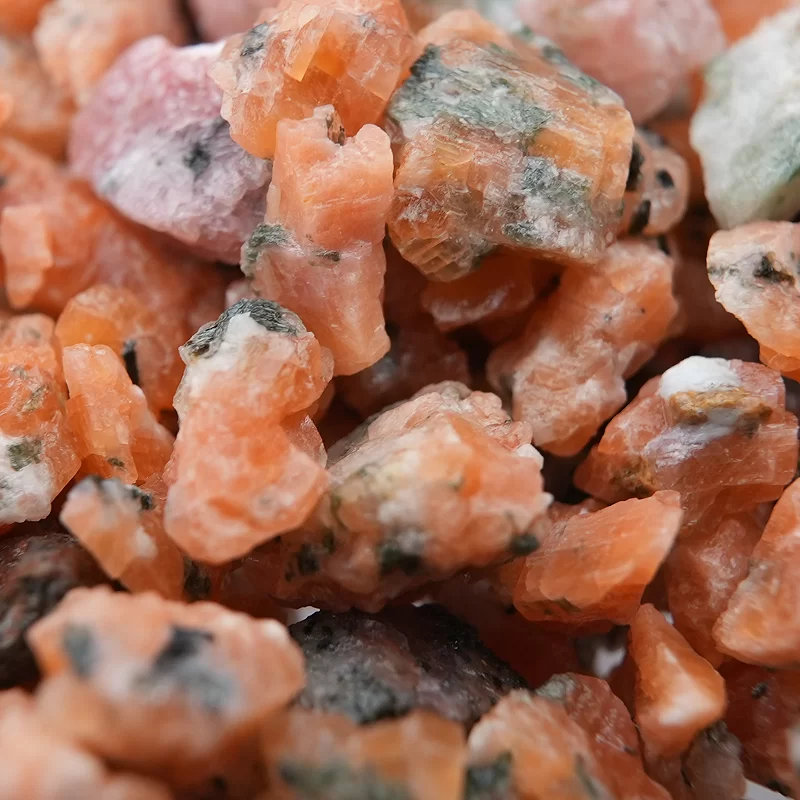
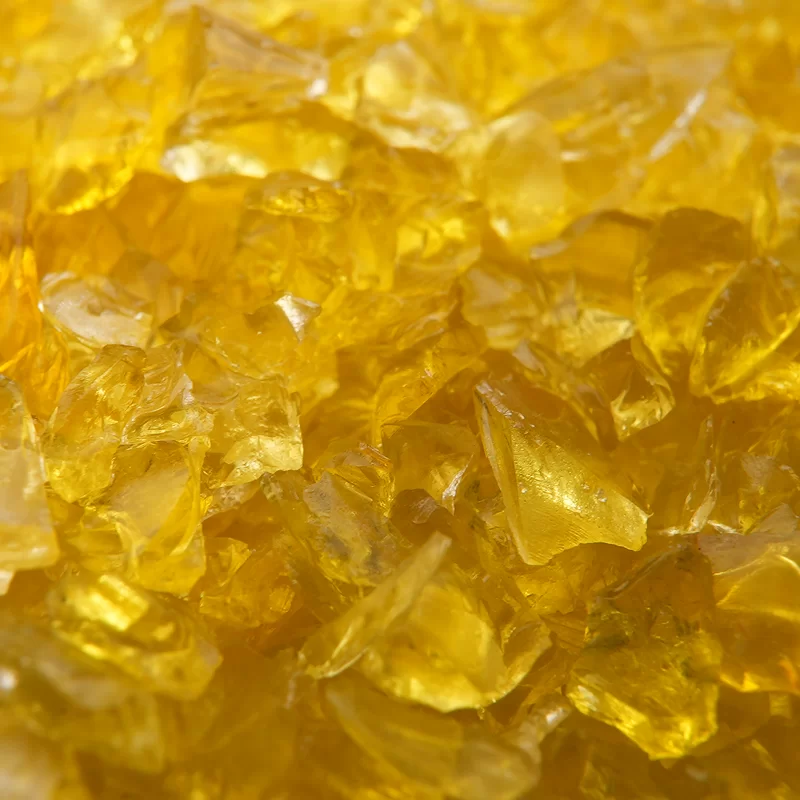
Golden yellow resin bound pebbles are often selected to bring brightness and warmth to outdoor environments. These pebbles feature shades ranging from light honey and golden sand to warm amber tones.
Landscapers frequently use golden pebbles for patios, pool surrounds, and garden walkways where a cheerful and inviting atmosphere is desired. The light-reflective quality of these stones helps outdoor areas appear more open and spacious, especially in smaller gardens.
Golden resin bound pebbles also pair well with Mediterranean-style landscaping. When combined with terracotta planters, stone walls, and vibrant greenery, the warm tones create a sunlit, resort-like aesthetic. In addition, these pebbles work beautifully alongside neutral architectural elements such as beige walls or light-colored paving stones.
Because of their visual warmth, golden pebbles are often used as a central color theme in decorative landscaping projects.
Grey Resin Bound Pebbles for Modern Landscaping
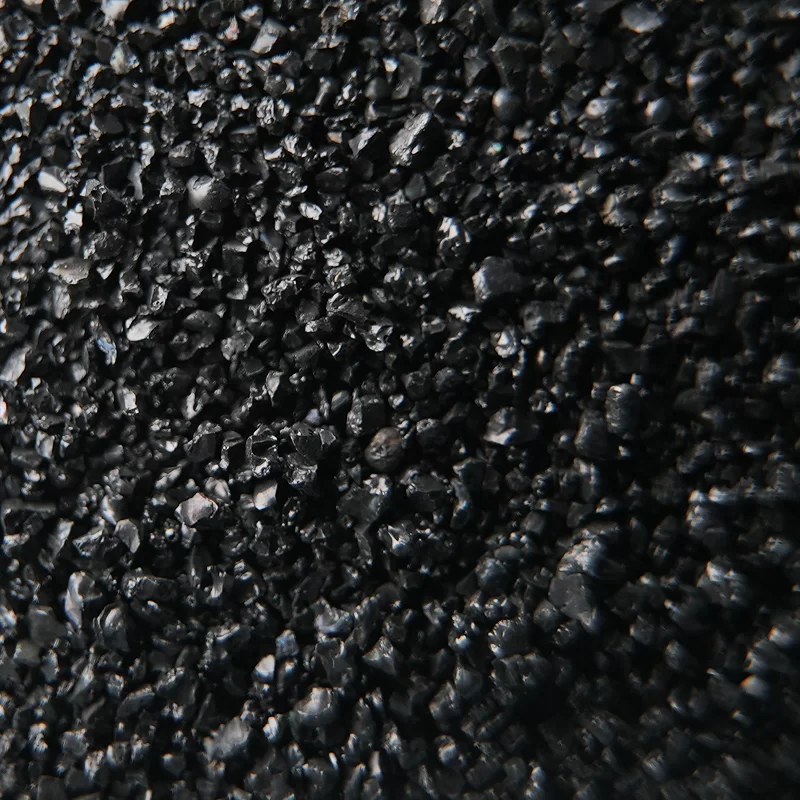
Grey resin bound pebbles have become a favorite option in contemporary landscape design. With tones ranging from soft silver grey to darker charcoal shades, these pebbles provide a sleek and modern appearance that complements minimalist architecture.
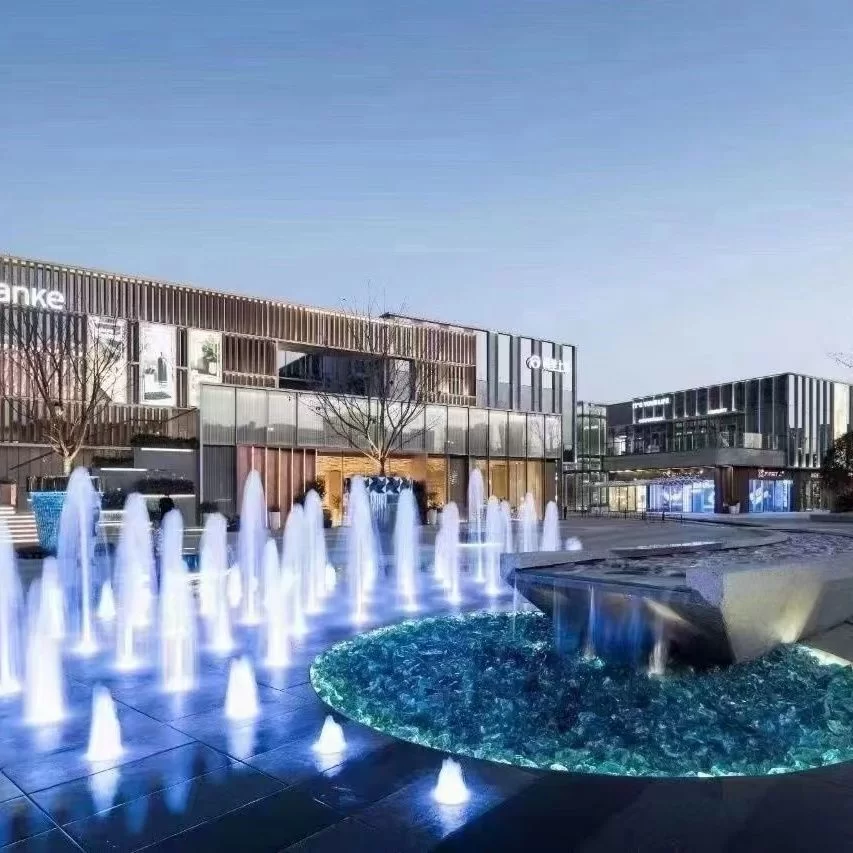
Grey surfaces are frequently used in urban residential developments, commercial plazas, and modern garden designs. The neutral color palette allows the surrounding landscape features—such as plants, outdoor furniture, and lighting elements—to stand out without overwhelming the visual balance.
Another advantage of grey resin bound pebbles is their versatility. They can be blended with other aggregates to create custom color mixes or decorative patterns. Designers often combine light and dark grey stones to add subtle texture and visual depth to pathways or driveways.
Additionally, grey tones tend to maintain their appearance well over time, making them suitable for both residential and public landscaping projects.
White and Light Cream Resin Bound Pebbles for Elegant Designs
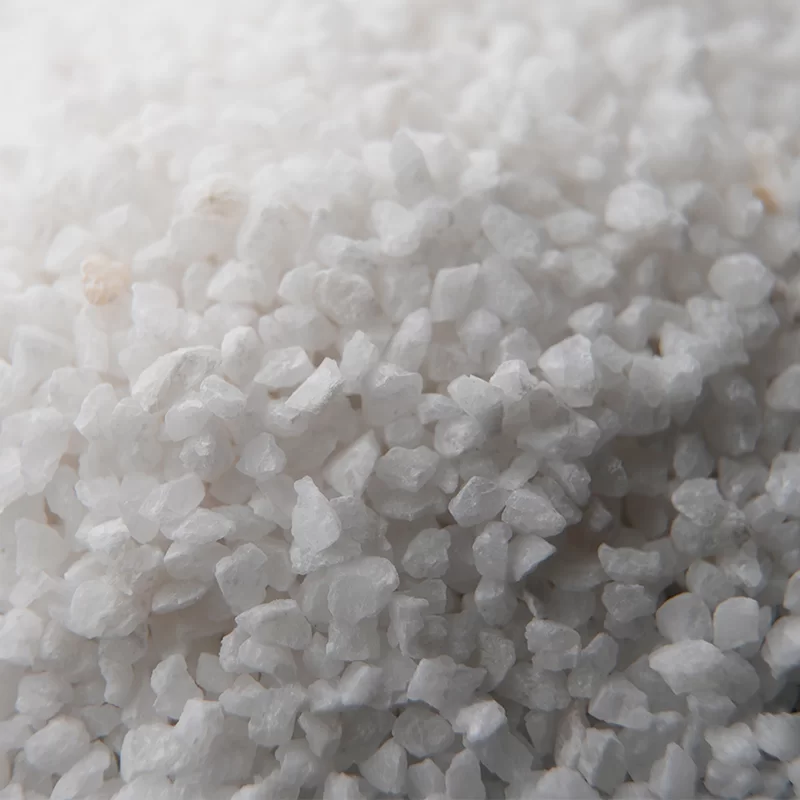
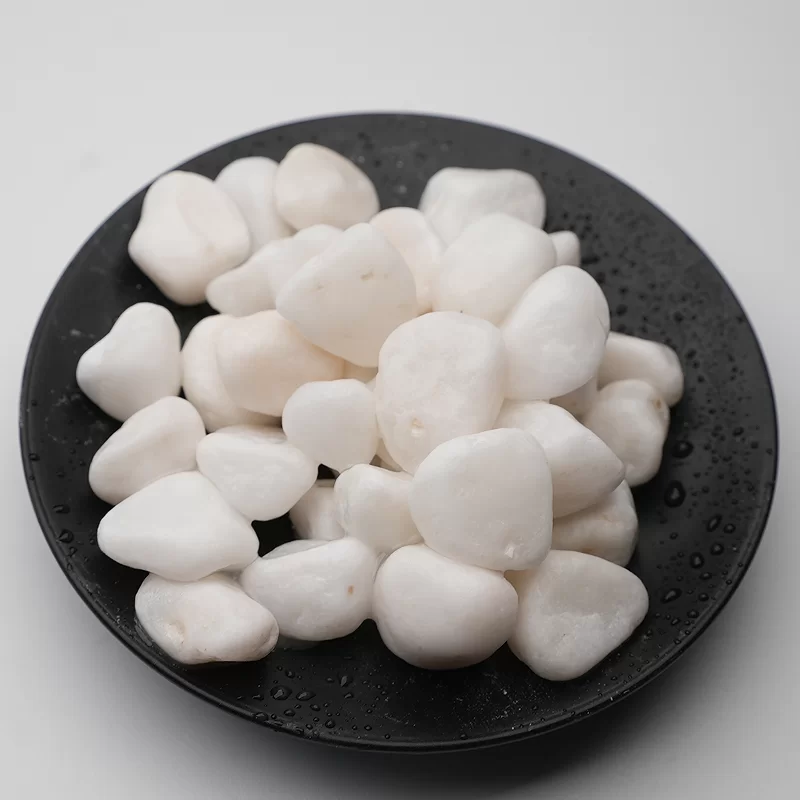
White and cream-colored resin bound pebbles are widely appreciated for their clean and elegant appearance. These lighter tones can instantly brighten outdoor spaces and create a sense of sophistication in landscaping designs.
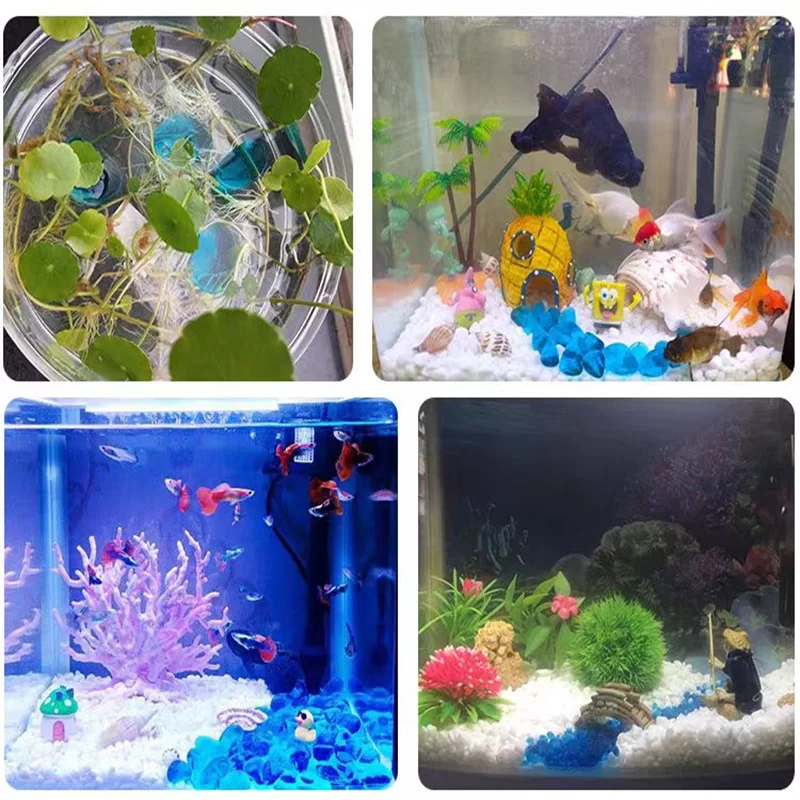
White resin bound surfaces are often used in luxury residential projects, hotel courtyards, and modern garden pathways. They pair beautifully with contemporary architecture, glass features, and decorative lighting. When used around water features or swimming pools, the light color also enhances the reflective quality of water.
Cream-colored pebbles offer a slightly warmer alternative to pure white while maintaining a refined aesthetic. They blend well with natural stone walls, outdoor seating areas, and ornamental gardens.
However, because lighter pebbles may show dirt more easily, they are often used in areas with moderate foot traffic or combined with slightly darker aggregates to create balanced color mixtures.
Mixed Color Resin Bound Pebbles for Decorative Surfaces
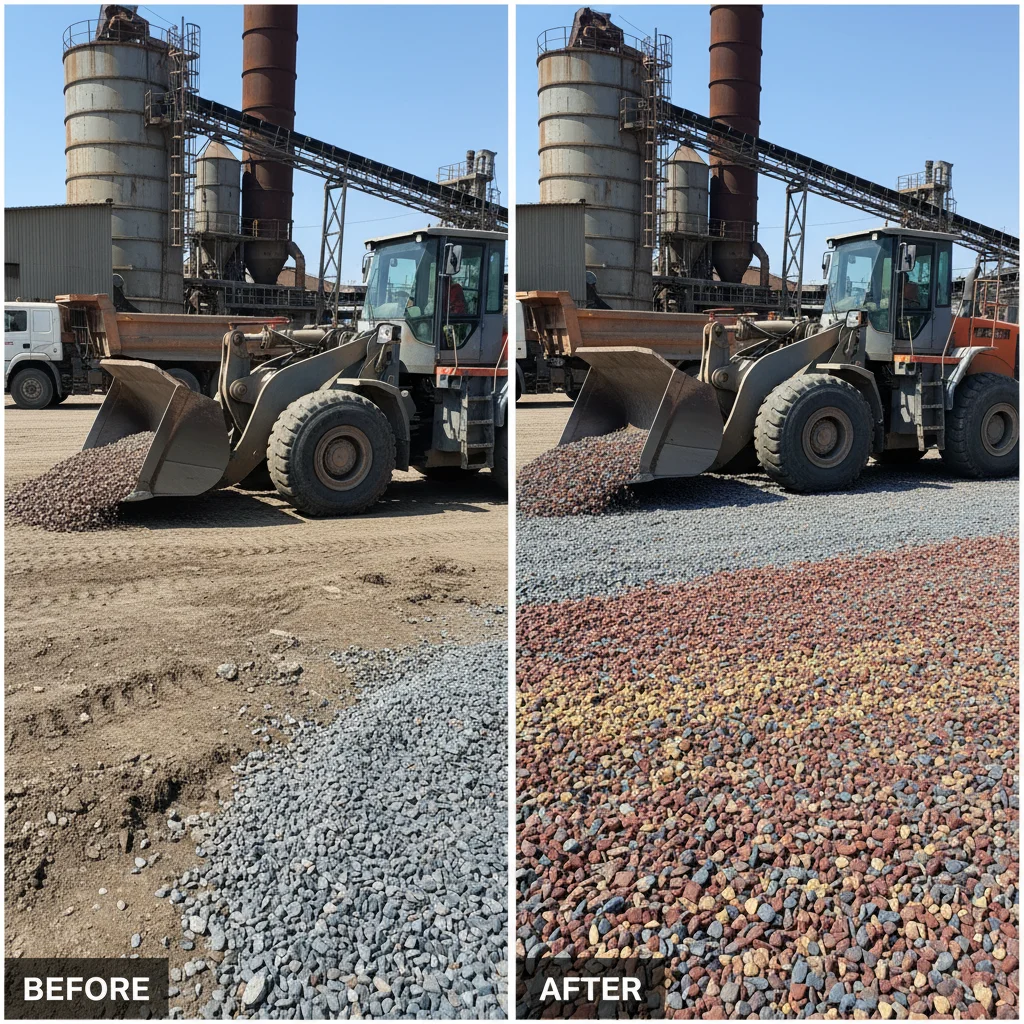
Mixed-color resin bound pebbles are an excellent choice for creating visually dynamic surfaces. Instead of using a single color, these blends combine multiple shades—such as brown, beige, grey, and gold—to produce a natural and textured appearance.
These multi-tone blends closely resemble natural river pebbles and are widely used in landscape pathways, driveways, and public spaces. The variation in color adds depth and prevents the surface from appearing flat or monotonous.
Mixed pebble blends also provide practical benefits. Because the colors vary, small stains or debris are less noticeable compared to single-color surfaces. This makes them particularly suitable for high-traffic areas.
Landscape designers often use mixed resin bound pebbles to create borders, patterns, or decorative features within larger paving areas. By combining different aggregate blends, they can design customized surfaces that enhance the overall visual impact of outdoor spaces.
Choosing the Right Resin Bound Pebble Colors for Your Landscape
Selecting the best color for resin bound pebbles depends on several design factors, including architectural style, surrounding vegetation, and the intended function of the space. Warm tones like brown and gold create a natural and welcoming environment, while cooler shades such as grey offer a modern and minimalist aesthetic.
Light colors like white and cream can brighten outdoor areas and add elegance, whereas mixed-color blends provide a balanced, natural appearance that works well in many settings.
When planning a landscaping project, it is also helpful to consider lighting conditions, maintenance requirements, and how the color will complement nearby materials such as brick, wood, or stone.
Ultimately, the versatility of resin bound pebble systems allows designers and homeowners to experiment with a wide range of colors and textures. By choosing the right combination of aggregates, it is possible to create durable, permeable, and visually stunning surfaces that enhance the beauty and functionality of outdoor environments.