Understanding Perlite Roof Insulation Systems: A Complete Guide for Builders
Modern roofing demands a balanced combination of durability, thermal performance, and long-term efficiency. One category of materials rising in prominence among architects, contractors, and building owners is perlite board insulation. Used extensively across commercial and industrial roofing systems, products such as perlite recovery board, perlite roof board, and perlite roof insulation board add structural stability, resist moisture, and reduce energy consumption—all while supporting sustainable construction goals.
This comprehensive guide explores how perlite-based insulation products function, their practical advantages, application considerations, and what buyers should know regarding perlite insulation board price variations.
What Is Perlite Board Insulation and Why Is It Used in Roofing?
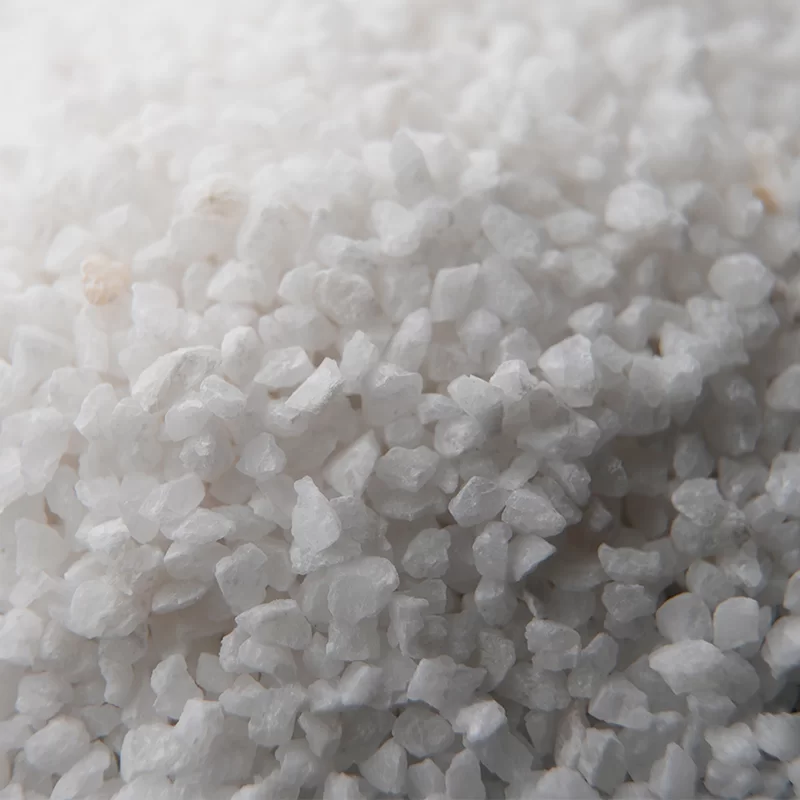
Perlite board insulation is manufactured using expanded perlite, a naturally occurring volcanic mineral that expands when heated. During expansion, it develops a highly porous structure that makes it exceptionally lightweight and resistant to heat transfer. These characteristics enable perlite boards to play a critical role in both thermal and structural roofing applications.
Key benefits of using perlite board insulation include:
1. Thermal Efficiency
Expanded perlite particles trap air within micro-pores, creating a natural insulation barrier. Building envelopes incorporating perlite roof insulation board benefit from reduced heat gain in summer and diminished heat loss during winter. As a result, HVAC efficiency improves, and buildings consume less energy over time.
2. Fire Resistance and Safety
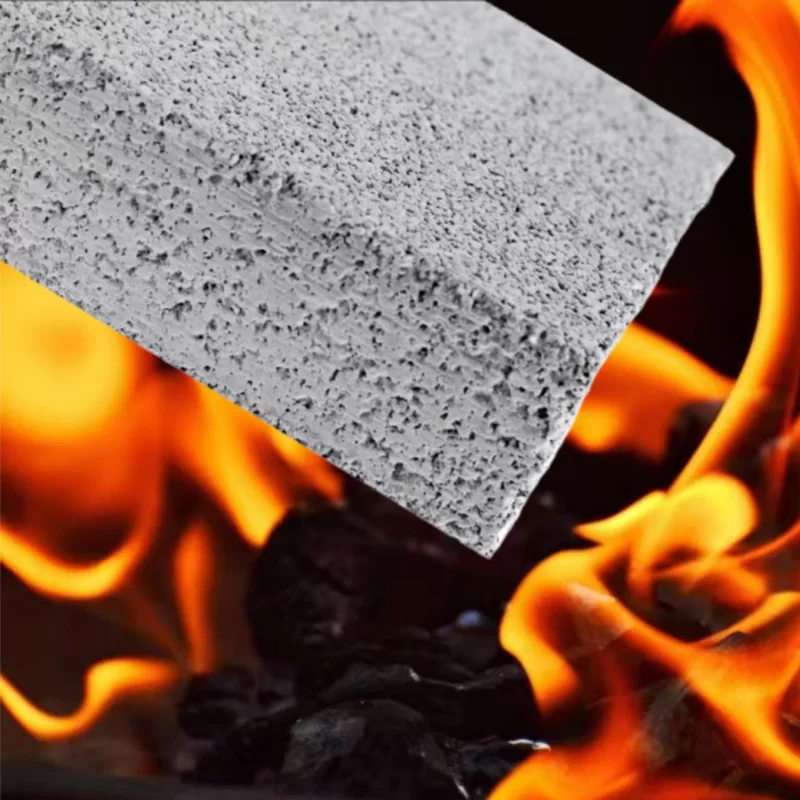
Perlite-based insulation materials are non-combustible and offer excellent fire-resistant properties. This makes perlite roof board and related products desirable in high-occupancy commercial facilities, industrial plants, and buildings requiring fire-rated assemblies.
3. Moisture, Mold, and Chemical Stability
Unlike organic materials, perlite is rot-resistant, mold-resistant, and chemically stable. This ensures that perlite recovery board and insulation layers maintain dimensional integrity even under exposure to humidity or roofing adhesives.
4. Lightweight Structure
A major advantage of perlite roof systems is low weight. Perlite boards contribute minimal dead load to roof structures, simplifying installation and allowing for thicker insulation layers without impacting roof integrity.
Thanks to these combined benefits, perlite insulation materials have become an attractive alternative to mineral wool, foam boards, and other rigid insulation products used in the roofing industry.
Applications of Perlite Recovery Board & Perlite Roof Board in Commercial Roofing
Perlite-based products are used broadly across commercial and industrial roofing assemblies. Two major product types include perlite recovery board and perlite roof board, each serving different operational functions:
Perlite Recovery Board for Re-Roofing & Retrofit Systems
A perlite recovery board is commonly installed over an existing roof during retrofit or re-cover applications. This board evens out the roof surface, providing a clean, firm substrate for new membranes such as TPO, PVC, or modified bitumen systems. Recovery boards help:
1. Improve membrane adhesion
2. Enhance puncture and impact resistance
3. Extend the lifespan of re-roofing systems
4. Reduce landfill waste by avoiding tear-offs
As sustainability becomes a priority, many facility managers choose perlite recovery board to reduce renovation costs and environmental impact.
Perlite Roof Board for New Construction
A perlite roof board is typically used beneath roofing membranes to provide structural stability and insulation support. It performs particularly well in:
1. Built-Up Roofing (BUR) systems
2. Modified bitumen assemblies
3. Hot mopped asphalt systems
4. Mechanically attached roofing systems
Because of its heat-resistant properties, perlite roof installations remain dimensionally stable during hot asphalt application, preventing distortion or curling.
Perlite Roof Insulation Board for Thermal Protection
In systems designed for strong thermal performance, a perlite roof insulation board serves as the primary insulating layer. It helps control building envelope temperatures, lowering energy bills and contributing to LEED or green building compliance.
From re-roofing to new construction, perlite board insulation products offer a unique balance of fire resistance, thermal stability, environmental safety, and long-term performance. Whether specifying perlite recovery board for retrofit projects or selecting perlite roof insulation board for energy-efficient new builds, designers and contractors benefit from durable performance and enhanced building comfort. While perlite insulation board price may vary depending on thickness, density, and region, most buyers find the lifecycle value well worth the investment due to lower maintenance and long-term energy savings.
If you are sourcing commercial roofing materials or planning a retrofit, exploring a perlite roof solution may help improve performance, safety, and sustainability for decades to come.
FAQs about Perlite Board Insulation and Perlite Roof Systems
1. What Is Perlite Board Insulation and How Is Perlite Roof Used?
Perlite board insulation is a rigid, lightweight insulation board made from expanded perlite. A perlite roof uses these boards to create a thermally efficient, fire-resistant roofing system that is ideal for commercial buildings.
2. What Is a Perlite Recovery Board and When Should It Be Installed?
A perlite recovery board is installed during re-cover roofing projects to smooth the existing surface, enhance membrane adhesion, and reduce waste by avoiding full tear-offs. It is commonly used in retrofits and commercial renovation projects.
3. What Are the Advantages of Using Perlite Roof Board in Hot Asphalt Roofing?
A perlite roof board offers dimensional stability and fire resistance, which makes it compatible with hot asphalt roofing systems. It also improves compressive strength and protects the waterproofing membrane from substrate irregularities.
4. How Does a Perlite Roof Insulation Board Improve Energy Performance?
A perlite roof insulation board helps reduce heat transfer, lowering HVAC demand and improving indoor comfort. Over time, this contributes to reduced energy costs and aligns with sustainable building standards.
5. What Affects Perlite Insulation Board Price in Commercial Construction?
Perlite insulation board price varies based on board thickness, density, compressive strength, order volume, and regional supply. Despite variations, perlite boards are considered cost-effective due to durability and reduced energy usage over time.