
The Art of Color: Exploring the Versatility of Decorative Coloured Sand
Decorative coloured sand is far more than just finely crushed rock; it's a vibrant, versatile medium used by crafters, designers, and hobbyists worldwide. Whether you're enhancing a centerpiece, creating intricate sand art, or laying the groundwork for a terrarium, the correct choice of decorative sand can transform a simple concept into a stunning visual reality. This article delves into the world of colored sands, exploring their uses, popular shades like grey decorative sand, pink decorative sand, and red decorative sand, and offering tips on how to incorporate them into your next project.
Bringing Projects to Life with Decorative Sand
The appeal of decorative sand lies in its texture, its availability in a spectacular spectrum of hues, and its ease of use. Unlike paint or liquid mediums, sand adds a unique, natural grain that brings an organic depth to any creation.
Endless Applications in Crafting and Home Decor
The applications for decorative coloured sand are nearly limitless, spanning from significant event decor to small, personalized crafts.
Vase Fillers and Centerpieces: One of the most common and effective uses is as a filler for clear glass vases. Layering different colors—perhaps alternating a neutral like grey decorative sand with a bold accent color like red decorative sand—creates a striking, striped effect. This is particularly popular for wedding reception centerpieces or holiday decorations.
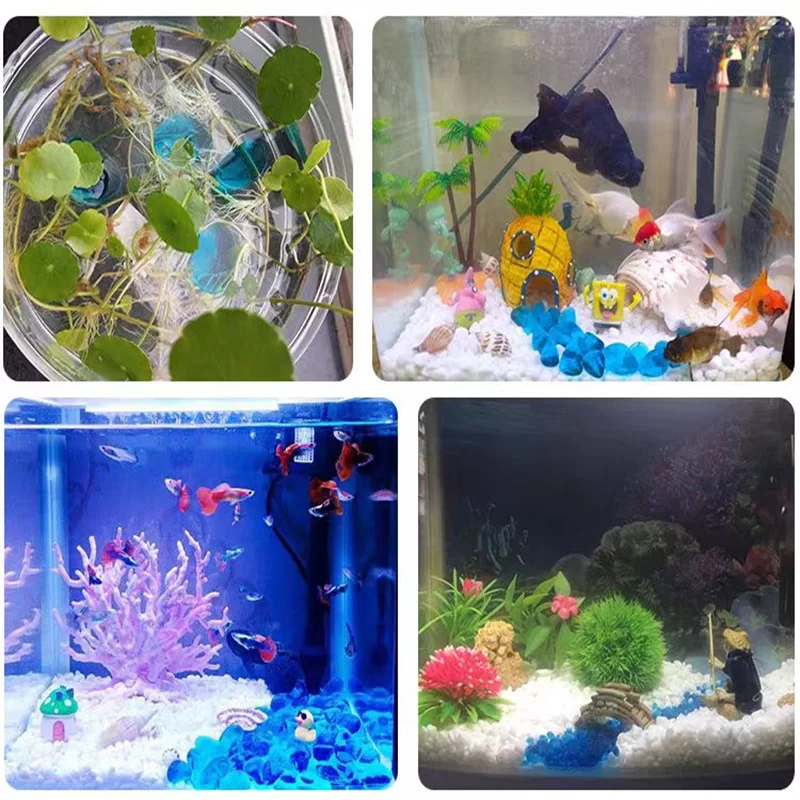
Sand Art and Terrariums: Classic sand art involves pouring sand into bottles or containers to create layered landscapes and geometric patterns. For terrariums and fairy gardens, sand provides a crucial drainage layer and a decorative base. Using a bright color, such as pink decorative sand, can introduce a whimsical or playful element to the tiny landscape.
Candle and Votive Displays: Placing candles directly into a bed of decorative sand provides stability and a beautiful, fire-safe foundation. The sand reflects the candlelight, creating a warm, soft glow. For a sophisticated look, opt for grey decorative sand to complement metallic or modern candle holders.
DIY Art and Textures: Sand can be mixed with glue or acrylic mediums to create textured art on canvas, adding a tactile dimension to paintings. It's also frequently used in resin art projects, where layers of colored sand are suspended in clear resin to mimic beach scenes or abstract geological formations.
Special Occasion Decor: Red decorative sand and pink decorative sand are incredibly popular for Valentine's Day or themed parties. They can be used to fill small sachets as party favors, or to outline table settings for a burst of passionate color.
The Power of Color: From Neutrals to Brights
Choosing the right color is crucial for achieving the desired mood and aesthetic. The selection ranges from natural, earthy tones to electric, neon shades.
Neutral and Earthy Tones (e.g., Grey Decorative Sand): Grey decorative sand is the chameleon of the decorative world. It offers a subtle, sophisticated base that complements virtually any other color without competing. Darker shades of grey can mimic wet stone or concrete, providing an industrial or minimalist feel, while lighter grey is perfect for a soft, coastal look. It’s an excellent choice when the objects in the sand (like flowers or figurines) are meant to be the focus.
Warm and Passionate Shades (e.g., Red Decorative Sand): Red decorative sand commands attention. It's associated with energy, passion, and excitement, making it perfect for creating focal points. Use it sparingly in conjunction with neutrals, or boldly as a dominant color for dramatic effect. It’s a staple for holiday decor and meaningful symbolic gestures, such as unity ceremonies.
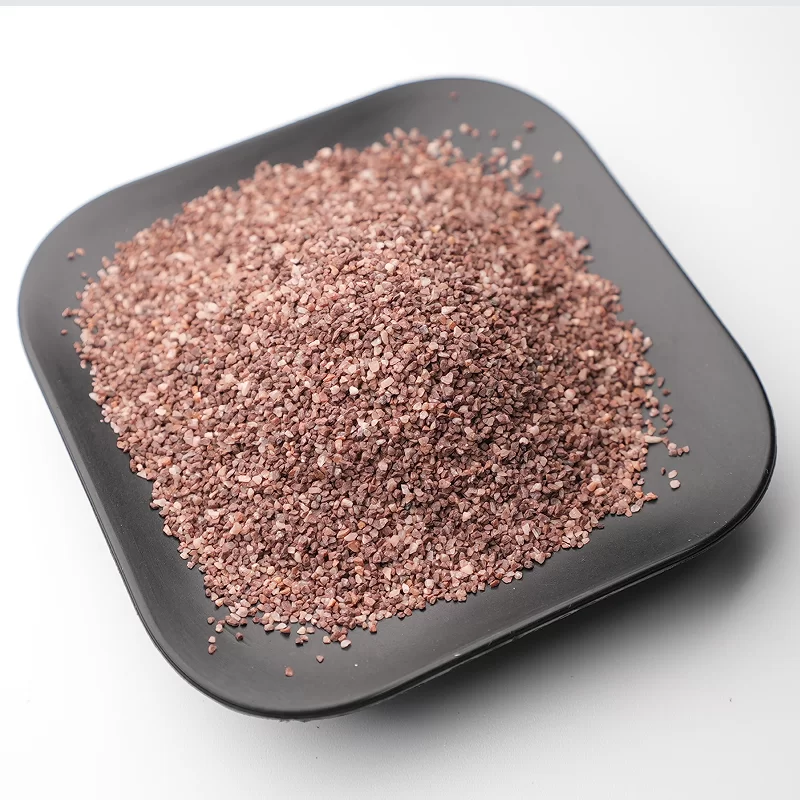
Soft and Whimsical Tones (e.g., Pink Decorative Sand): Pink decorative sand ranges from soft blush to vibrant fuchsia. It often conveys sweetness, romance, and tranquility. Light pink decorative sand is a favorite for baby shower decorations, spring centerpieces, and romantic-themed events. It pairs beautifully with white, gold, and light green elements.
Beyond the Standard: Of course, decorative coloured sand comes in every imaginable shade: blues for water themes, greens for nature and earth, and purples for luxury and royalty. Combining two or three contrasting colors is key to achieving that high-impact layered look.
Tips for Working with Coloured Sand
To get the best results with decorative coloured sand, especially when creating intricate designs, a few techniques can make all the difference.
Use Funnels: When filling narrow-necked vessels, a small funnel is indispensable for preventing spills and ensuring precision. For extremely fine control, try using a folded piece of paper as a makeshift, disposable funnel.
Ensure Dryness: Always ensure the decorative sand is completely dry before sealing it in a container. Moisture can cause the grains to clump, ruin the flow, and potentially introduce mold, especially in sealed terrariums.
Compaction for Stability: If the decorative sand is being used to hold objects like candles or silk flowers, gently compact the layers using a dowel or spoon to provide a firm, stable base.
Practice Layering: For a crisp, professional layered look, pour the sand very slowly and directly onto the center of the previous layer. For sloped or wavy patterns, gently tilt the container while pouring or use a narrow scoop to direct the flow toward the glass wall. The key to a successful sand art bottle is slow, deliberate movement.
Conclusion: The Creative Potential of Fine Grains
From the muted elegance of grey decorative sand to the passionate flair of red decorative sand and the soft charm of pink decorative sand, decorative coloured sand remains an accessible and effective medium for adding texture, depth, and vibrant color to countless creative endeavors. Its versatility ensures it will continue to be a staple in crafting kits, home decor shops, and event planning well into the future. By experimenting with different shades and mastering simple layering techniques, you can unlock the full creative potential of this humble, yet impactful, decorative sand.
Frequently Asked Questions (FAQ)
1. What is the difference between decorative coloured sand and playground sand?
Decorative coloured sand is typically made from finely sifted, high-quality quartz or mineral sand that has been thoroughly washed, sterilized, and dyed with non-toxic, fade-resistant pigments. It is uniform in grain size and color purity. Playground or construction sand is coarse, often contains impurities, and is not color-treated, making it unsuitable for artistic or clean indoor projects.
2. Is decorative sand safe for use with plants in a terrarium?
Yes, decorative sand can be used safely in terrariums. It is often non-toxic and serves well as a drainage layer at the bottom of the container, helping to prevent root rot. However, for the main growing medium, it should be mixed with or covered by soil or potting mix, as sand alone does not retain nutrients well.
3. How do I prevent the layers of decorative coloured sand from mixing once I've created my design?
To stabilize a sand art design, particularly in a bottle or jar, it is best to seal the top with a cork, lid, or a small amount of glue (like clear craft glue) applied just inside the lip of the container. If the design is in an open vase, you can spray a light layer of aerosol sealant over the top layer, but ensure the vase will not be moved much, as vibrations can still cause mixing.
4. Can I use red decorative sand or pink decorative sand for wedding unity ceremonies?
Absolutely. Red decorative sand and pink decorative sand are among the most popular choices for wedding unity ceremonies, as they symbolize love, passion, and the blending of two lives. The different colors chosen by the couple are poured together into a single vessel, creating a lasting, unique piece of art that represents their union.
5. How can I clean decorative sand if it gets dusty or dirty?
Since decorative sand is used indoors and is typically sealed in containers, it rarely needs cleaning. If you have loose sand that has accumulated dust, it is not recommended to wash it, as this can dilute the dye. The best practice is to gently sift the sand through a fine mesh sieve to remove any large debris or gently blow across the surface to remove dust particles.