
Understanding Luminous Materials And Their Everyday Applications

Understanding Luminous Materials And Their Everyday Applications

Light is an essential part of modern life, but not all light sources depend on electricity or the sun. Some objects can glow on their own through a fascinating property called luminescence. These materials, known as luminous materials, play an important role in safety, decoration, and industrial applications. In this article, we’ll explore what luminous materials are, how they work, and provide a practical luminous material example to help you understand their versatility.


What Is a Luminous Material?

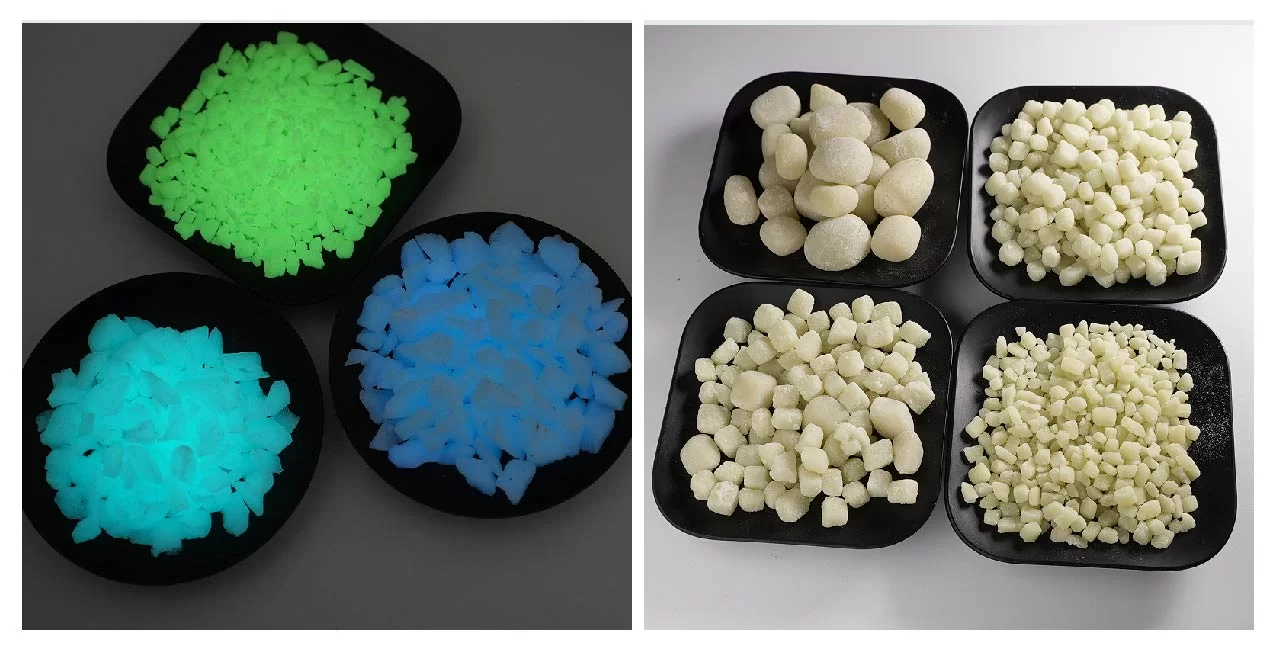
A luminous material is any substance that emits visible light without being heated. Unlike traditional light bulbs that rely on high temperatures to produce light, luminous materials create light through chemical or physical reactions. This process is known as luminescence and can occur in several ways, such as photoluminescence, chemiluminescence, and electroluminescence.


In simpler terms, a luminous material absorbs energy from an external source—like sunlight or artificial light—and stores it. Later, when the surroundings are dark, it releases the stored energy as visible light. This glow may last for minutes or even hours, depending on the material’s composition.


Modern luminous materials are designed using phosphorescent compounds such as strontium aluminate or zinc sulfide. These materials are non-toxic, durable, and capable of producing bright, long-lasting illumination. Because of their energy-saving properties, luminous materials are considered an eco-friendly alternative to powered lighting systems in specific applications.

Luminous Material Example and Applications

A common luminous material example is the glow-in-the-dark safety sign you might see in public buildings or factories. These signs absorb light during the day and automatically illuminate in darkness, guiding people toward exits during emergencies.


Another practical luminous material example can be found in watch dials, emergency pathways, bicycle reflectors, and marine safety equipment. In these cases, the luminous coating ensures visibility even when there is no external light source available.


In decorative design, luminous paints and tiles are popular choices for outdoor landscapes, swimming pools, and interior design accents. These materials not only enhance aesthetic appeal but also contribute to safety by marking steps or edges at night.


In the technology field, luminous materials are used in display panels, instrument backlighting, and optical sensors. Scientists are also exploring innovative uses, such as in bioimaging and renewable energy systems, where luminescent compounds can help improve energy conversion efficiency.
Luminous materials are more than just glowing substances—they represent a blend of science, safety, and sustainability. From glow-in-the-dark signage to artistic installations, they offer countless ways to make our environments brighter and safer without constant energy consumption.


As we continue to innovate, new luminous material examples will likely emerge in industries such as construction, medical technology, and renewable energy. Their ability to combine functionality with visual appeal ensures that luminous materials will remain a key component in future design and safety solutions.


PREVIOUS: This is the first article
NEXT:
High-quality architectural stone — crafted for strength, beauty, and lasting performance.
Technical Guide to High Purity Granusil Industrial Quartz Uses
In the sophisticated landscape of industrial mineral extraction, granusil industrial quartz stands as a cornerstone material that bridges the gap between raw geological deposits and high-precision engineering. Its unique chemical stability and physical hardness make it indispensable for a wide array of manufacturing processes, from glass production to advanced filtration systems. Understanding the nuances of this material is not merely a technical requirement but a strategic advantage for companies aiming to optimize their production yield and product longevity.
Best Uses of Colored Gravel for Landscaping to Enhance Your Yard
Creating a visually stunning garden or walkway requires a balance of functionality and aesthetic appeal. Using colored gravel for landscaping is one of the most effective ways to introduce vibrant tones and professional texture to your outdoor environment. Unlike traditional mulch, colored stone provides a permanent solution that resists decay and reduces maintenance. Whether you are looking to define a path, highlight a flower bed, or create a modern Zen garden, the right choice of aggregate can transform a dull yard into a masterpiece. In this guide, we will explore the various types of colored gravel and how to use them.
Enhancing Your Outdoor Space with Brown Landscape Rock Guide
Creating a visually stunning and sustainable outdoor environment requires a thoughtful choice of materials. Among the most versatile options available, brown landscape rock offers a perfect blend of natural aesthetics and long-term durability. Whether you are designing a Zen garden, constructing a retaining wall, or simply looking for a low-maintenance alternative to traditional mulch, these earthy tones provide a timeless appeal. In this comprehensive guide, we will explore the various types of brown stone, their practical benefits, and how to integrate them into your home's exterior design to increase both beauty and property value.
Exploring the Versatile Applications of Gold Sand Quartz in Modern Industries
Gold sand quartz, a fascinating combination of materials, holds a significant place in both industrial applications and aesthetic design. Its unique properties stemming from the quartz component, coupled with the visual appeal of sand-like grains, make it a versatile material across diverse sectors. This article delves into the intricacies of gold sand quartz, exploring its definition, key attributes, global applications, and future prospects. Understanding this material is crucial for professionals in construction, manufacturing, and design, enabling them to leverage its benefits effectively.
Enhance Your Outdoor Space with Bright White Landscaping Rocks Ideas
Creating a beautiful and low-maintenance landscape often involves choosing the right ground cover. Bright white landscaping rocks are a popular option, offering a clean, modern aesthetic and a host of practical benefits. This article will explore everything you need to know about these rocks, from their uses and benefits to installation tips and cost considerations. We will guide you through selecting the perfect white rocks for your outdoor space and maximizing their impact on your overall landscape design.
Exploring the Versatile Applications of Dry Quartz Sand and Future Trends
Dry quartz sand, a granular material composed of silica, plays a pivotal role in a diverse array of industries worldwide. From glass manufacturing and foundry casting to construction and filtration, its unique properties – chemical inertness, thermal stability, and abrasive qualities – make it an indispensable component in countless applications. Understanding the characteristics and sourcing of dry quartz sand is crucial for optimizing processes and ensuring product quality across numerous sectors.

If you are interested in our products, you can choose to leave your information here, and we will be in touch with you shortly.