
Enhance Your Landscape with Durable Black Decorative Rock for Landscaping
Black Decorative Rock for Landscaping: A Comprehensive Guide
Are you looking to enhance the aesthetic appeal of your outdoor spaces? Black decorative rock for landscaping offers a versatile and durable solution for various landscaping projects. From creating striking garden beds to defining walkways, black rock adds a touch of elegance and sophistication. This article will explore the benefits, applications, and considerations when choosing black decorative rock, ensuring you make the best choice for your landscaping needs. We'll delve into the different types available, how to calculate the amount you’ll need, and maintenance tips to keep your landscape looking pristine.
Why Choose Black Decorative Rock?
Black decorative rock offers several advantages over other landscaping materials. Its dark color provides a stunning contrast to greenery, making plants 'pop' and creating a visually appealing landscape. It’s also incredibly durable, resisting weathering, fading, and decomposition. Unlike mulch, black rock doesn't need to be replenished annually, saving you time and money. Furthermore, it requires minimal maintenance, suppressing weed growth and reducing the need for herbicides. The inherent beauty and low-maintenance nature of black rock make it a wise investment for any homeowner or landscaping professional.
Key Benefits: Creates a striking aesthetic, durable and long-lasting, low maintenance, suppresses weed growth, and doesn't decompose.
Applications of Black Decorative Rock in Landscaping
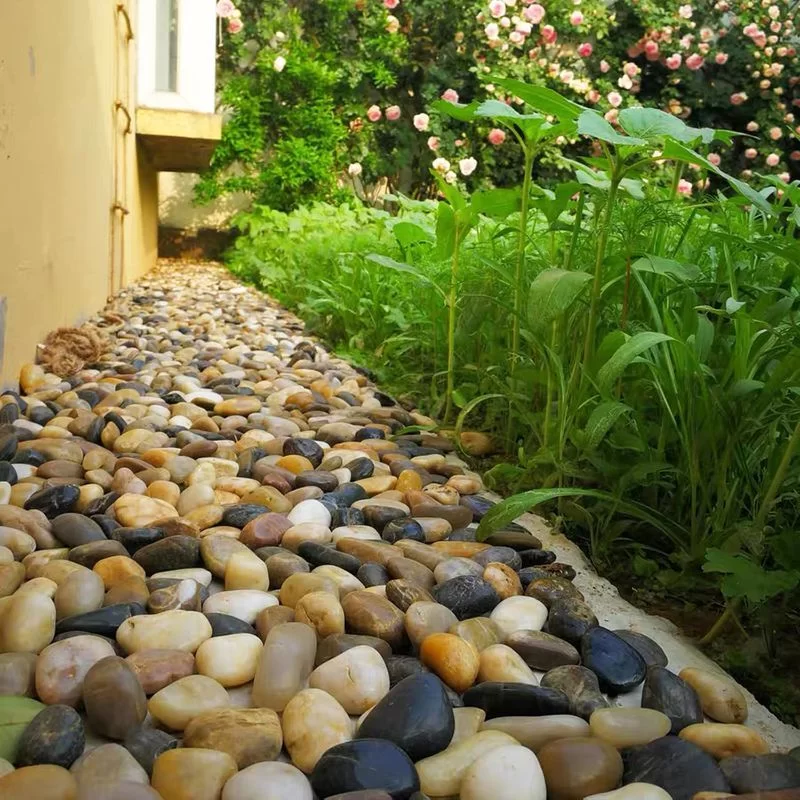
The versatility of black decorative rock allows for a wide array of landscaping applications. It’s ideal for creating pathways and walkways, adding a sleek and modern touch. You can use it to define garden beds, providing a clean border and enhancing plant presentation. It also works beautifully as ground cover beneath trees and shrubs, helping to retain moisture and suppress weed growth. Consider using black rock around water features like ponds or fountains to create a dramatic and sophisticated effect. Its neutral tone complements various landscaping styles, from minimalist to tropical. Explore the possibilities – from Zen gardens to contemporary patios, black decorative rock can transform your outdoor space.
Common Uses:
• Pathways and Walkways
• Garden Bed Borders
• Ground Cover
• Around Water Features
Types of Black Decorative Rock: Finding the Right Fit
Several types of black decorative rock are available, each with unique characteristics. Lava rock is lightweight and porous, offering excellent drainage. Basalt is a denser, more durable option with a smooth, polished appearance. Slate is known for its flat, layered texture, adding a unique aesthetic. River rock, while naturally rounded, can also be found in black varieties. The best choice depends on your desired aesthetic, budget, and functional needs. Consider the size and shape of the rock as well. Smaller rocks create a more refined look, while larger rocks offer a bolder statement. CN Floor Materials offers a wide selection of black decorative rock options to suit any landscaping project.
Calculating Quantity & Installation Tips
Determining the correct amount of black decorative rock is crucial to avoid over or under-buying. First, calculate the area you need to cover in square feet. Then, determine the desired depth of the rock layer (typically 2-4 inches). Multiply the area by the desired depth (converted to feet) to get the volume in cubic feet. Finally, use a rock calculator (available on our website) to convert cubic feet to the number of bags or tons you’ll need. Before installation, remove all weeds and debris from the area. Lay down a layer of landscape fabric to further suppress weed growth. Spread the rock evenly, ensuring a consistent depth. For a professional finish, consider edging the area with retaining walls or border materials.

Maintaining Your Black Rock Landscape
Black decorative rock is remarkably low-maintenance. However, occasional raking can help to maintain a neat and tidy appearance. Remove any fallen leaves or debris regularly to prevent decomposition. Periodically check for weed growth, and remove any weeds that emerge. To refresh the color, you can apply a rock refresher product. With minimal effort, your black rock landscape will continue to look beautiful for years to come.
Conclusion: Enhance Your Outdoor Space with Black Decorative Rock
Black decorative rock offers a stunning, durable, and low-maintenance solution for transforming your landscape. From defining garden beds to creating elegant walkways, the possibilities are endless. Explore the diverse options available at CN Floor Materials and create the outdoor oasis of your dreams!
Frequently Asked Questions (FAQs)
How much black rock do I need for a 100 sq ft area with a 3-inch depth?
To calculate the amount of black rock needed, first convert the depth to feet: 3 inches = 0.25 feet. Then, multiply the area by the depth: 100 sq ft x 0.25 ft = 25 cubic feet. However, rock is typically sold by weight (tons) or volume (cubic yards). Using a rock calculator (available on our website) is the easiest way to accurately determine the quantity of bags or tons you'll need, as density varies between rock types. We recommend adding 5-10% extra to account for settling and compaction.
Will black rock fade over time?
While black rock is generally colorfast, some fading can occur over time, especially with lava rock due to its porous nature. Exposure to direct sunlight and harsh weather conditions can accelerate the fading process. Applying a rock refresher periodically can help restore the color and protect against UV damage. Choosing a higher-quality basalt rock, which is less porous, can minimize fading.
Is landscape fabric necessary when using black rock?
Yes, landscape fabric is highly recommended. It acts as a barrier to prevent weeds from growing up through the rock and helps maintain a clean, polished look. It also prevents the rock from sinking into the soil over time. Ensure the fabric overlaps at the seams and is securely anchored to prevent weeds from finding their way through.
How do I clean black decorative rock?
Black decorative rock is easy to clean. Simply rake the area to remove leaves, debris, and any accumulated dirt. For stubborn stains, you can use a mild detergent and water, scrubbing gently with a brush. Rinse thoroughly with clean water. A garden hose with a spray nozzle can also be used to wash away dirt and debris.