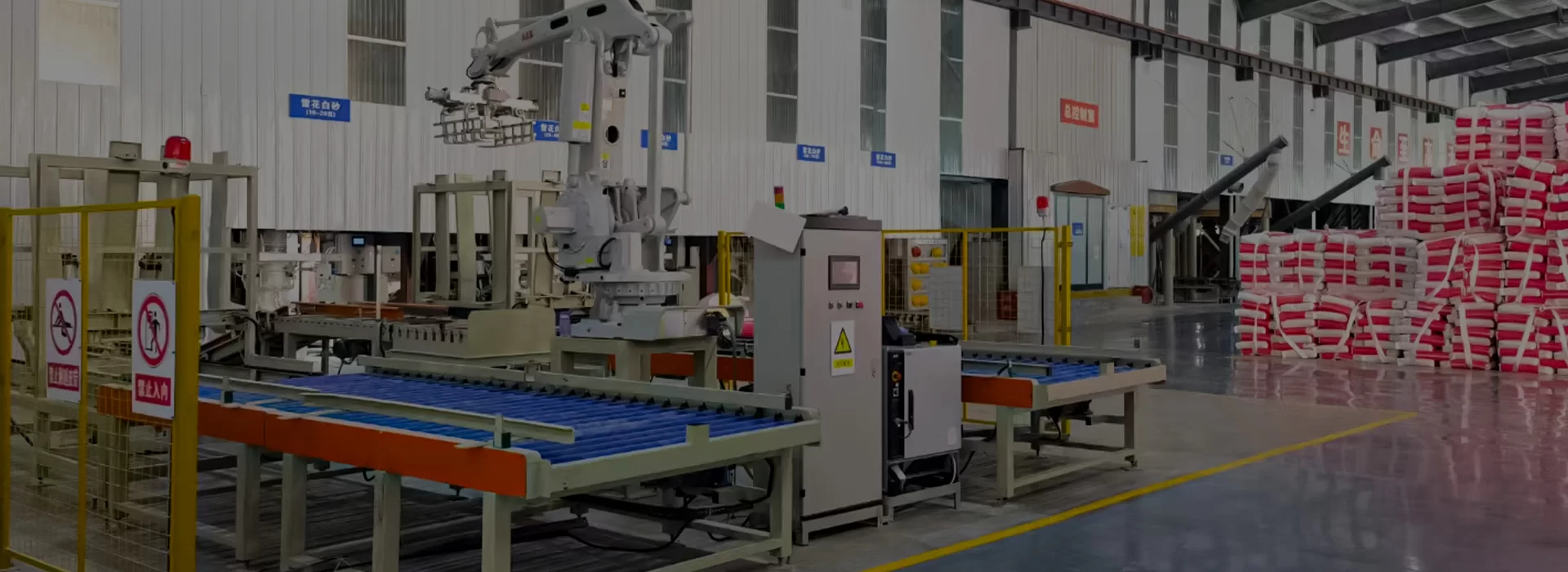
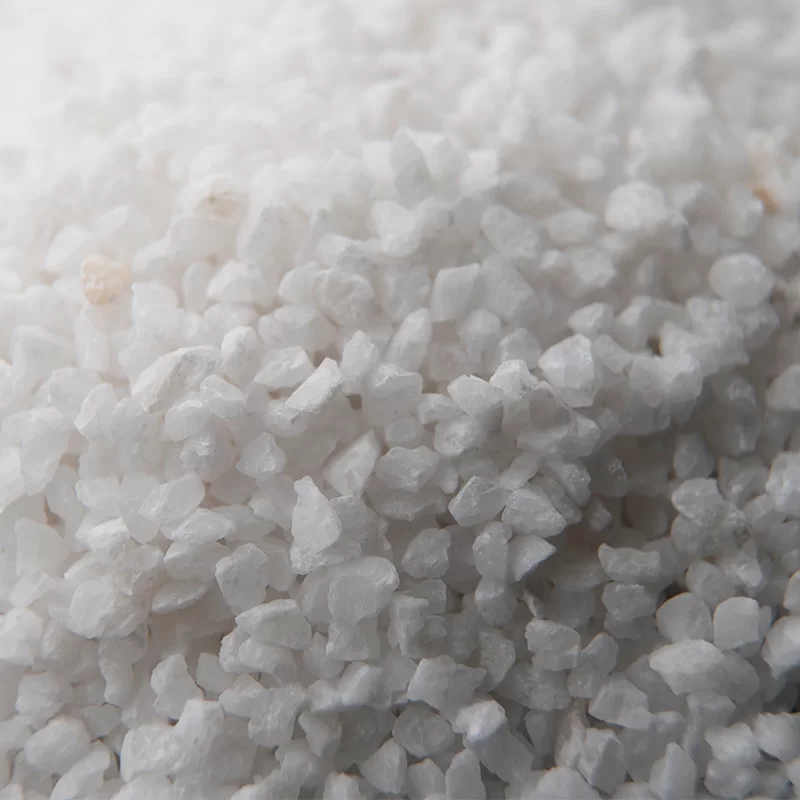
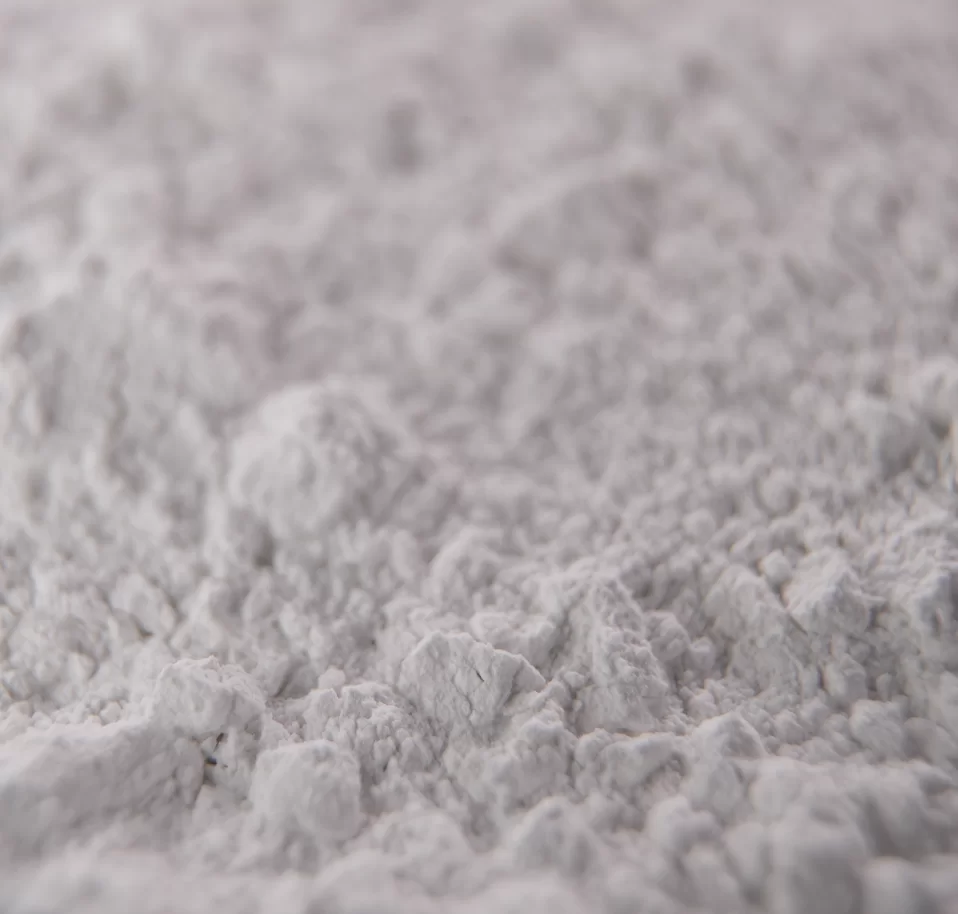
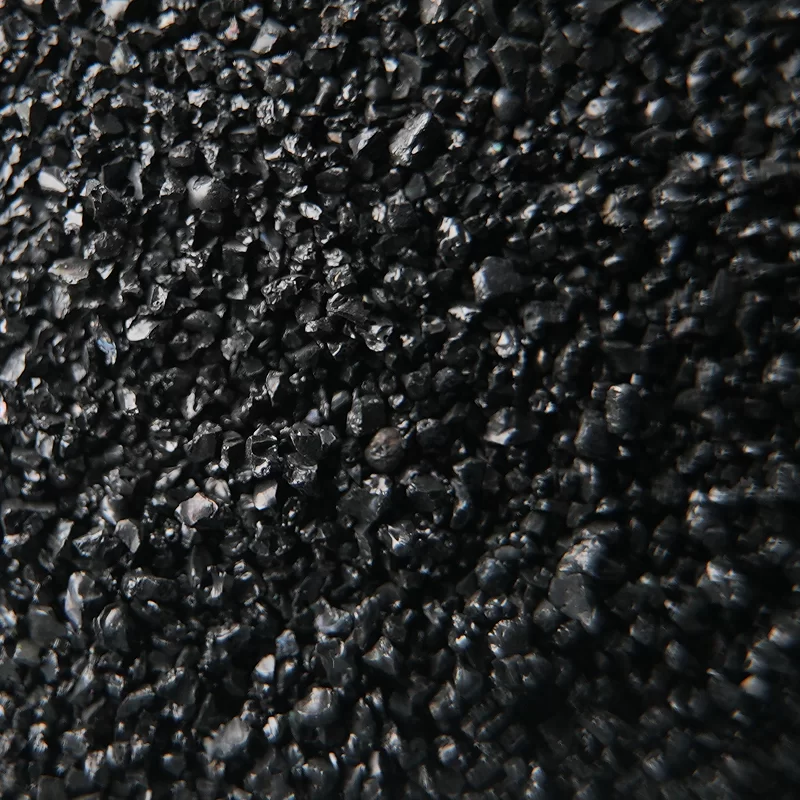
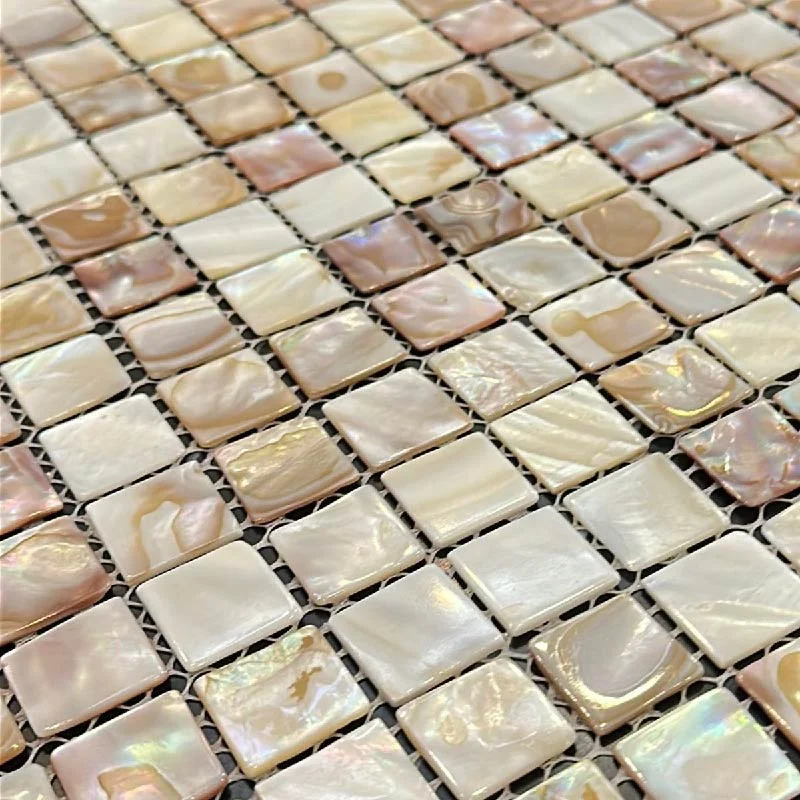
The global construction and industrial flooring sectors are witnessing a significant shift toward materials that blend extreme durability with high-end aesthetics. Among the key players in this supply chain, professional sand manufacturers provide the essential mineral foundations that allow for the creation of sophisticated surfaces, such as those utilizing premium mica flakes for epoxy flooring. These mineral-based solutions are no longer just utilitarian; they are now the gold standard for transforming industrial spaces into architectural statements.
The demand for high-performance mineral additives has grown as commercial showrooms, automotive garages, and industrial workshops seek floors that can withstand heavy vehicle traffic without sacrificing visual appeal. By sourcing from specialized sand manufacturers, engineers can integrate natural mica minerals and high-grade polymer resins to create seamless, grout-free surfaces. This evolution in material science ensures that floors are not only resistant to chemicals and abrasion but also possess a mirror-like finish that enhances lighting and spatial perception.
Understanding the role of sand manufacturers in the production of decorative mineral particles is crucial for project managers aiming for a 20-year lifecycle. Whether it is achieving a "starry sky" effect or a classic granite look, the precision of the mineral sizing and the purity of the pigments determine the final quality of the epoxy system. This synergy between raw mineral extraction and advanced chemical engineering is what allows modern flooring to be both a protective shield and a design feature.

The Role of Sand Manufacturers in Decorative Mineral Production
Experienced sand manufacturers play a pivotal role in the creation of mica flakes by ensuring the purity and structural integrity of the base inorganic minerals. These manufacturers utilize advanced extraction and milling processes to transform raw mica into precisely sized particles, typically ranging from 1-3mm to 3-5mm, which are then treated with high-grade polymer resins and mineral pigments.
This precision in production is what allows for the seamless broadcast system used in epoxy flooring, effectively mimicking the look of marble or terrazzo. By maintaining strict quality control over flake size and color consistency, sand manufacturers enable large-scale commercial projects to achieve a unified spatial appearance across thousands of square meters.
Material Composition and Engineering Standards
The engineering of mica flakes begins with a sophisticated blend of inorganic minerals and polymer resins. This combination is designed to ensure that the decorative particles do not merely sit on the surface but integrate fully into the epoxy or polyurethane matrix. The inclusion of high-quality mineral pigments ensures that the colors remain vibrant and resist fading, even in environments exposed to high UV levels.
From a technical standpoint, the synergy between the natural mica and the resin coating creates a particle that is chemically inert and highly resistant to acids, bases, and oils. This makes the resulting floor an ideal choice for industrial workshops where chemical spills are common, as the material does not react with the resin seal to cause peeling or discoloration.
Furthermore, the adaptability of these materials allows them to be applied to various substrates, including new concrete, diamond-ground surfaces, or refurbished terrazzo floors. The structural integrity provided by the mineral components ensures that the floor can withstand significant pressure and wear, extending the functional life of the installation.
Key Factors for High-Performance Epoxy Surfaces
One of the primary factors that distinguish high-end systems is the quality of the raw materials provided by reputable sand manufacturers. Durability is not just about the thickness of the epoxy, but about the hardness and bond strength of the embedded mica flakes, which provide a stone-like resilience to the surface.
Scalability and consistency are equally vital. When working with sand manufacturers who offer bulk supply chain optimization, project managers can ensure that the color blends and flake sizes remain identical across multiple batches, preventing unsightly patches in large-scale industrial installations.
Finally, safety is addressed through the inherent texture of the mineral particles. The rock-chip effect created by these flakes provides excellent anti-slip properties, which is a critical requirement for high-traffic automotive garages and humid environments where safety and traction are paramount.
Performance Comparison of Mineral Systems
When comparing traditional plain epoxy floors to mica flake systems, the difference in wear resistance and visual depth is stark. Plain epoxy often suffers from visible scratches and a tendency to yellow over time, whereas the multi-dimensional nature of mica flakes hides imperfections and maintains its luster.
The investment return is most evident in the lifecycle cost. While the initial installation of a mica flake system may be higher, the reduction in maintenance costs and the extension of the service life to over 20 years make it the most economical choice for long-term industrial use.
Industrial Floor Performance Metrics by Material Source
Global Applications and Industrial Use Cases
Across the globe, mica flake systems are being deployed in diverse environments. In North American automotive showrooms, the "mirror-smooth" yet durable finish is used to highlight luxury vehicles while resisting the weight of heavy machinery. Similarly, in European industrial workshops, the chemical resistance of these mineral-based floors ensures compliance with strict health and safety regulations regarding spill management.
In Asia's rapidly growing manufacturing hubs, the seamless integration of mica flakes is preferred for electronics cleanrooms and pharmaceutical plants. The absence of grout lines prevents dust accumulation and bacterial growth, creating a hygienic environment that is easy to sanitize, proving that the expertise of sand manufacturers is essential for specialized infrastructure.
Long-Term Value and Maintenance Advantages
The primary long-term value of a mica flake epoxy system lies in its extraordinary lifecycle. While standard coatings may require recoating every 3-5 years due to peeling or wear, a properly installed mica system can last over two decades. This is largely due to the UV stability of the high-grade resins used by top-tier mineral suppliers.
Maintenance is simplified because the multi-colored, stone-like texture naturally masks minor scratches and stains. Daily cleaning requires nothing more than a simple mop or vacuum, as the seamless surface eliminates the crevices where dirt typically hides in traditional tile or concrete floors.
From an economic perspective, the "Total Life Cycle Cost" is significantly lower than any other high-performance flooring. The combination of low maintenance, high durability, and the elimination of frequent replacements provides a tangible return on investment for facility managers.
Future Innovations in Mineral-Based Flooring
The future of the industry is moving toward "Smart Minerals" and sustainable sourcing. Leading sand manufacturers are now exploring the use of recycled mineral content and bio-based resins to reduce the carbon footprint of epoxy flooring without compromising on strength or aesthetics.
Digital transformation is also playing a role, with professional color labs now using AI-driven matching services to align flooring patterns with corporate brand identities. This allows for a level of customization where the floor becomes a part of the brand's visual storytelling, blending art with industrial engineering.
Moreover, the development of luminous mineral particles is expanding the use of these systems into safety marking and emergency egress paths. By integrating light-emitting materials into the mica flake blend, floors can now provide passive illumination during power failures, adding a new layer of safety to industrial warehouses.
Comparative Analysis of Mica Flake Systems vs. Traditional Flooring
| Flooring Type | Wear Resistance | Maintenance Effort | Estimated Lifespan |
|---|
| Plain Epoxy | Moderate | Medium | 5-8 Years |
| Mica Flake System | Superior | Very Low | 20+ Years |
| Polished Concrete | High | Low | 15-20 Years |
| Industrial Tile | High | High (Grout) | 10-15 Years |
| Vinyl/PVC | Low | Medium | 7-10 Years |
| Terrazzo | Extreme | Low | 30+ Years |
FAQS
Mica flakes are decorative mineral particles composed of natural mica and polymer resins. They are broadcast into wet epoxy coatings to create a textured, stone-like finish. This process not only enhances the visual appeal—mimicking marble or granite—but also significantly increases the physical durability and abrasion resistance of the floor.
They act as a reinforced layer within the epoxy matrix, which increases the floor's overall hardness and reduces the visibility of surface scratches. Additionally, the textured surface provides essential slip resistance, making it safer for industrial environments where oils or liquids may be present.
Small flakes (1-2mm) are ideal for a refined, subtle look in retail or office settings. Medium flakes (2-4mm) offer a balanced aesthetic for showrooms. Large flakes (over 4mm) are best for dramatic stone effects and are particularly effective at hiding imperfections in the underlying concrete substrate.
Yes, they are highly recommended. The seamless structure is resistant to the minor cracks caused by thermal expansion, and the high-strength mineral seal can withstand the constant pressure and friction from heavy vehicle traffic and industrial machinery.
Maintenance is exceptionally simple. Because the seamless surface eliminates dust-trapping joints, daily cleaning with a standard mop or vacuum is usually sufficient. This low-maintenance requirement contributes to the overall cost-effectiveness of the system over its 20-year lifespan.
Absolutely. Mica flake systems are engineered for high adaptability. They can be applied to new concrete, diamond-ground floors, or even existing terrazzo surfaces, making them an excellent choice for renovation projects where a complete tear-out is not feasible.
Conclusion
The integration of premium mica flakes into epoxy flooring represents a perfect convergence of mineral science and architectural design. By leveraging the capabilities of specialized sand manufacturers, industries can achieve a flooring solution that offers superior wear resistance, chemical stability, and an unmatched aesthetic appeal. From the reduction of maintenance costs to the extension of the floor's lifecycle to over 20 years, the value proposition is clear: a mica flake system is a strategic investment in both functionality and form.
Looking forward, the trend toward sustainable, AI-customized mineral coatings will continue to redefine industrial spaces. For facility managers and architects, the key to success lies in sourcing high-purity materials and employing precise installation methods. We invite you to upgrade your infrastructure with flooring that doesn't just protect your assets but enhances your brand's professional image. Visit our website for more information: www.cnfloormaterials.com