
Elevate Your Garden with Durable Granite Pebbles Landscaping
Elevating Your Outdoor Space with Granite Pebbles Landscaping
Creating a visually stunning and low-maintenance garden requires the right balance of texture, color, and durability. Among the most versatile materials available today, granite pebbles landscaping offers an unparalleled blend of natural elegance and structural strength. Whether you are designing a Zen garden, updating a modern driveway, or creating a decorative border, granite pebbles provide a timeless appeal that enhances curb appeal while solving practical drainage issues. In this guide, we will explore why granite is the superior choice for professional landscaping and how to implement it effectively in your next project.

The Aesthetic Appeal of Granite Pebbles
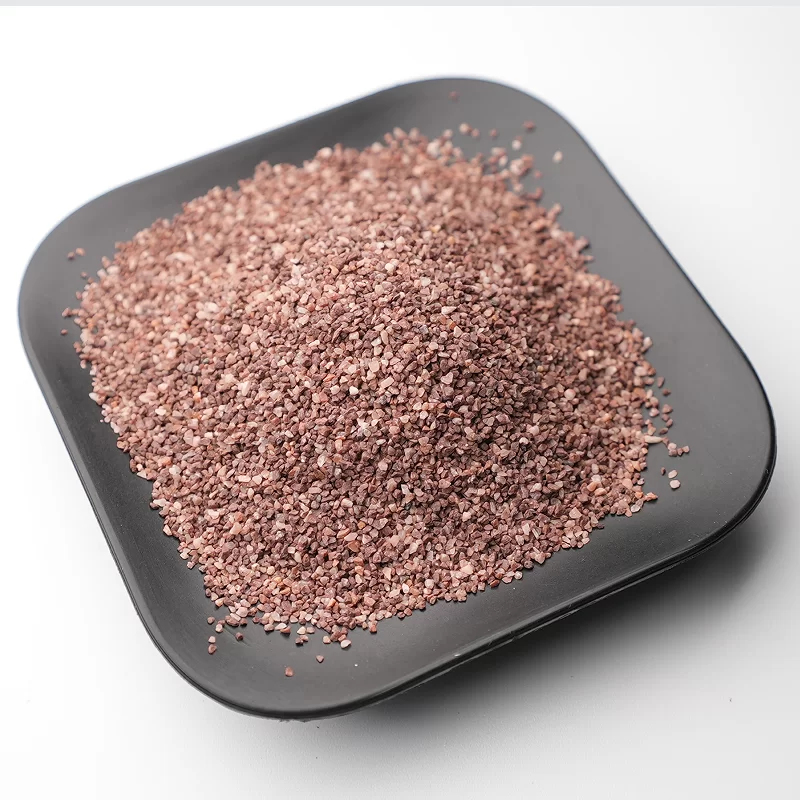
One of the primary reasons designers choose granite pebbles landscaping is the stunning variety of natural hues available. From deep charcoal and sophisticated greys to warm beiges and shimmering whites, granite reflects light in a way that adds depth to any garden layout. Unlike synthetic alternatives, natural granite possesses unique mineral veins that ensure no two areas look exactly the same, providing an organic feel that blends seamlessly with plants and architectural elements. Using these pebbles as a mulch alternative not only suppresses weeds but also provides a clean, polished look that remains vibrant regardless of the weather.
Functional Benefits for Modern Gardens
Beyond beauty, the functional advantages of granite are significant. Granite is one of the hardest natural stones, meaning it does not break down or fade over time. This makes it an ideal choice for high-traffic areas or regions with extreme temperature fluctuations. Furthermore, the porous nature of a pebble layer improves water infiltration, reducing soil erosion and preventing puddles from forming around your home's foundation. For homeowners seeking a sustainable landscaping solution, these stones require zero watering and minimal maintenance compared to traditional grass lawns, making them an environmentally friendly choice for the modern era.
Pro Tip: Always use a heavy-duty landscape fabric under your granite pebbles landscaping to prevent the stones from sinking into the soil and to keep weeds from penetrating the surface.
Comparing Granite Pebbles to Other Landscaping Stones
When deciding on the best material for your project, it is essential to compare the performance of granite against other common options like river rocks or limestone. Granite is generally more resistant to chemical weathering and acid rain, ensuring that the colors stay crisp for decades. While river rocks offer a softer look, granite provides a more "premium" architectural finish that is highly sought after in luxury real estate developments. The following table illustrates the key differences in performance and application.
Creative Application Ideas for Granite Pebbles
Integrating granite pebbles landscaping into your home doesn't have to be limited to simple ground cover. Creative designers use them to build dry creek beds that manage runoff while adding a naturalistic stream effect to the yard. They are also perfect for "stepping stone" paths, where large pavers are surrounded by small granite pebbles to create a high-contrast, professional walkway. In Japanese-style gardens, raked granite pebbles are used to symbolize water, creating a meditative space of serenity and balance. Whether it's around a fire pit or as a filler for potted plants, the versatility of granite is endless.

Technical Specifications: Choosing the Right Size
Not all pebbles are created equal. The size of the stone you choose for your granite pebbles landscaping project will dictate both the visual impact and the functionality. Smaller pebbles (pea gravel size) are ideal for walking paths and filling gaps, while larger cobblestone-style pebbles are better for retaining walls or dramatic focal points. Understanding the coverage ratio is also key to ensuring you order the correct amount of material to avoid mid-project shortages.
Installation Best Practices for Long-Lasting Results
To get the most out of your granite pebbles landscaping, proper installation is non-negotiable. Start by clearing the area of all existing weeds and debris. Level the ground and install a high-quality geotextile fabric; this acts as a barrier that keeps the pebbles from mixing with the dirt. Use sturdy edging—such as metal, plastic, or brick—to keep the pebbles contained within their designated area. Finally, spread the stones evenly using a rake. For a professional finish, lightly rinse the pebbles with water after installation to remove any stone dust and reveal the true, vibrant color of the granite.
Conclusion: The Ultimate Choice for Sophisticated Landscaping
Investing in granite pebbles landscaping is more than just a cosmetic upgrade; it is a strategic improvement to your property's value and functionality. By combining extreme durability with a timeless aesthetic, granite pebbles solve common gardening headaches while creating a serene, professional environment. Whether you are aiming for a minimalist modern look or a lush natural retreat, the right granite stones provide the foundation for a breathtaking outdoor sanctuary.
Frequently Asked Questions (FAQs)
How do I clean granite pebbles if they get dirty over time?
Granite is naturally easy to maintain. For general cleaning, a simple blast from a garden hose or a power washer on a low setting is usually sufficient to remove dust and organic debris. If you notice stubborn stains or algae growth in shaded areas, you can use a mild biodegradable soap and a soft brush. Avoid using harsh acid-based cleaners, as these can potentially strip the natural finish of some stone types. Regular leaf blowing during autumn will also prevent organic matter from decomposing between the pebbles, keeping the surface fresh and clean.
Will granite pebbles attract pests or insects?
Unlike organic mulches like wood chips or bark, which can attract termites, ants, and other insects that feed on decaying organic matter, granite pebbles are inorganic and do not provide a food source for pests. In fact, using stones for granite pebbles landscaping is often recommended for homeowners who want to minimize pest activity near their home's foundation. However, it is still important to use a weed barrier, as seeds can blow into the pebbles and germinate if the underlying soil is exposed.
Do granite pebbles get too hot in the summer?
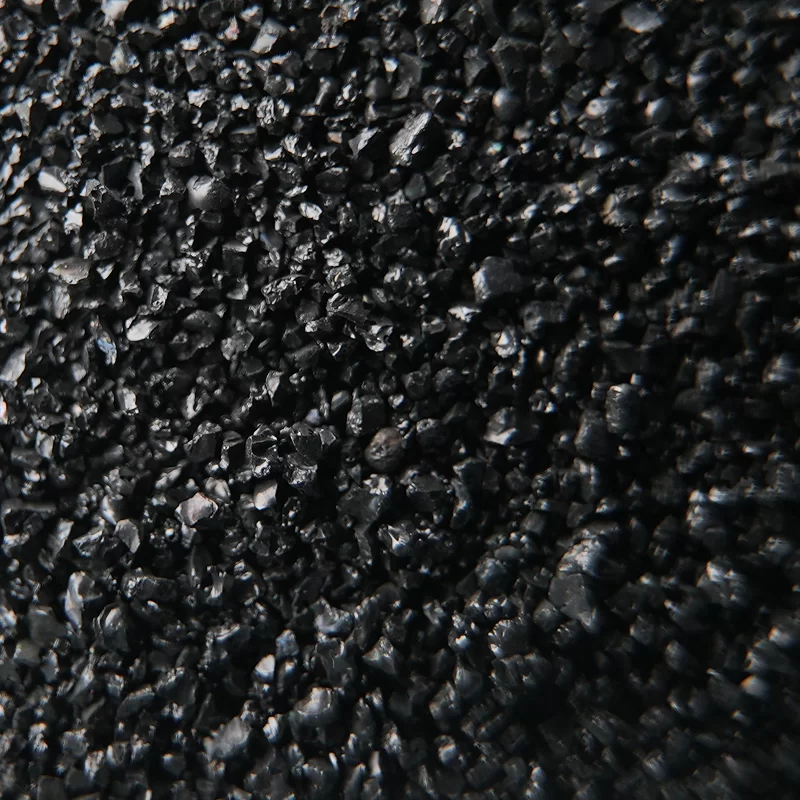
Like all stones, granite can absorb heat from the sun. Darker colors, such as charcoal or black granite, will absorb more heat and feel warmer to the touch than lighter colors like white or beige. If you are designing an area where people or pets will be walking barefoot, we recommend choosing lighter-colored pebbles or integrating them with stepping stones. This reduces the overall heat absorption of the surface while maintaining the high-end look of the landscaping.
Can I use granite pebbles for a driveway?
Yes, granite is an excellent choice for driveways due to its extreme hardness and load-bearing capacity. For driveway applications, we typically recommend a slightly smaller, more angular pebble or a "crushed" granite variety, as these interlock more effectively under the weight of a vehicle, reducing the amount of shifting. Ensuring a compacted base of crushed stone beneath your decorative granite pebbles will prevent rutting and ensure a smooth, professional finish that lasts for decades without needing frequent replenishment.