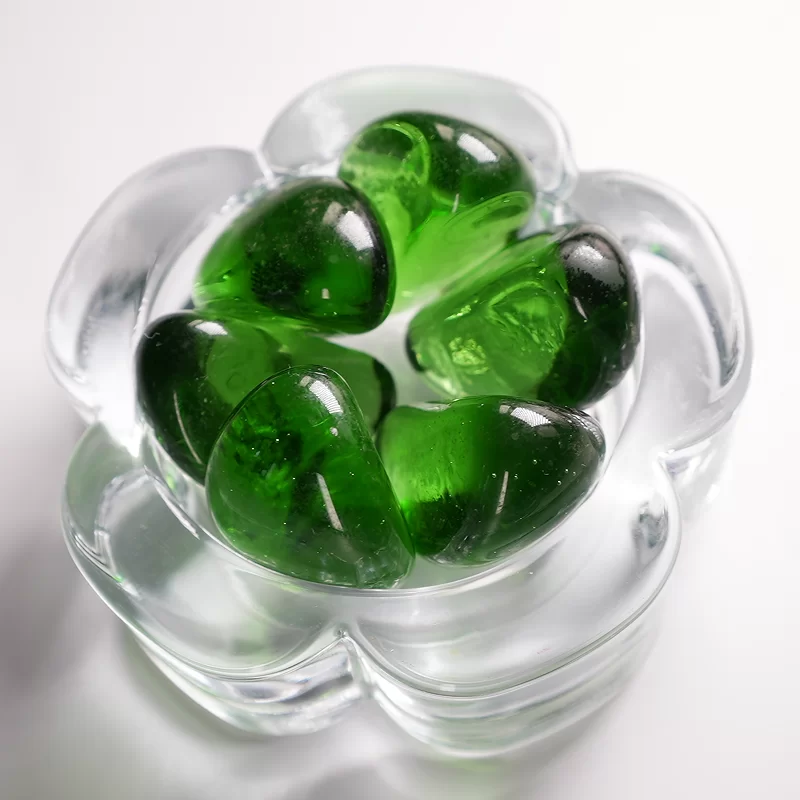
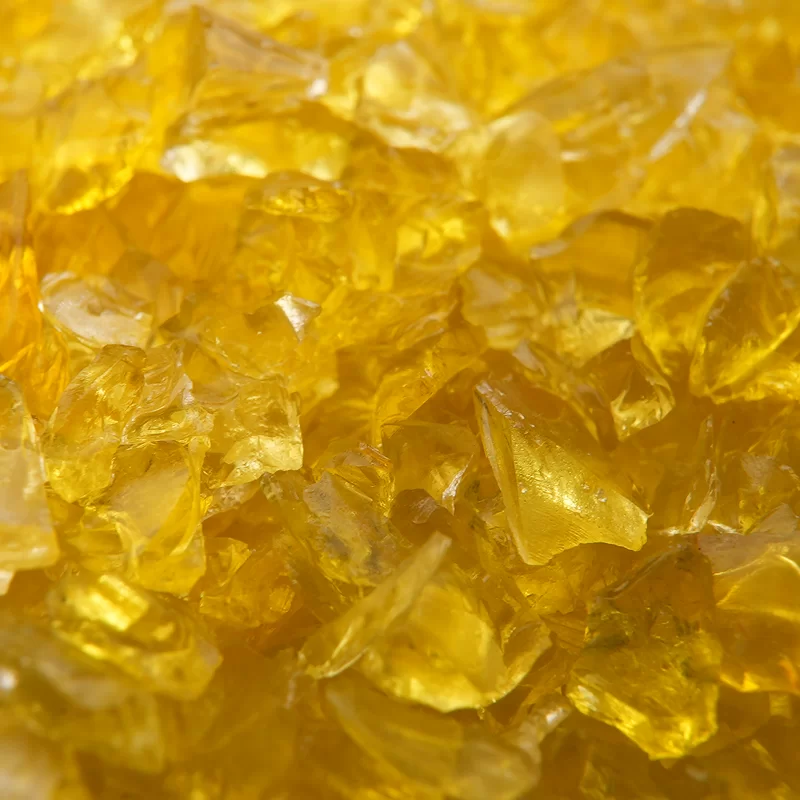
The global construction and design landscape is currently witnessing a significant shift toward high-performance materials, where sand wholesale serves as the backbone for architectural innovation. From luxury terrazzo flooring to industrial-grade filtration, the ability to source high-purity, graded minerals in bulk ensures that developers can maintain consistency across massive projects while reducing per-unit costs.
Understanding the dynamics of sand wholesale is not merely about logistics; it is about ensuring the structural integrity and aesthetic longevity of modern infrastructure. With the rising demand for sustainable urban development, the industry is pivoting toward recycled glass and high-purity quartz, providing a balance between environmental stewardship and the rigorous mechanical requirements of high-traffic environments.
Whether you are an architect seeking the perfect gloss for a commercial lobby or a contractor managing a large-scale industrial project, navigating the complexities of the wholesale market is essential. By optimizing the procurement of specialized aggregates, businesses can achieve a superior finish—characterized by high Mohs hardness and low water permeability—without compromising their operational budgets.

Global Industry Context of Sand Wholesale
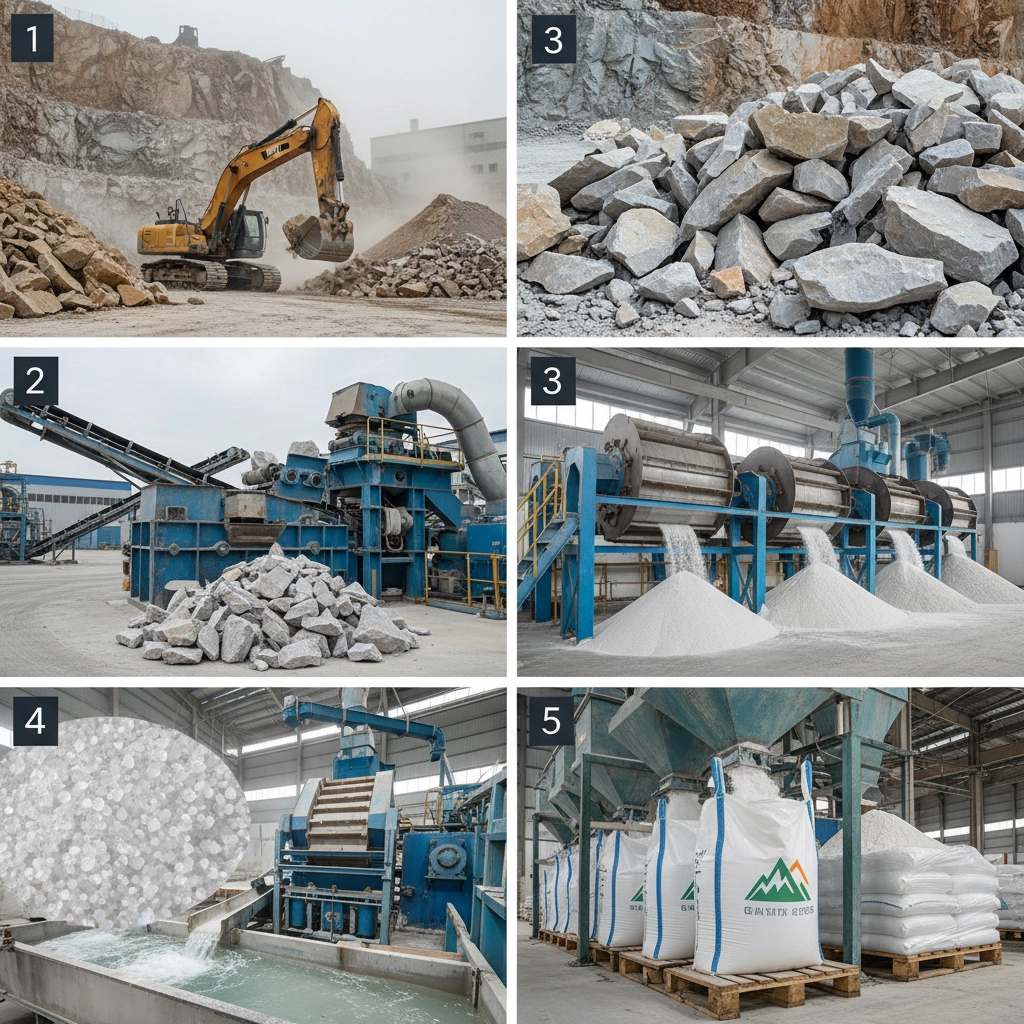
On a global scale, the procurement of aggregates has evolved from simple dredging to a sophisticated scientific process. As urban populations swell, the UN and various international construction bodies have highlighted the critical shortage of construction-grade sand, making efficient sand wholesale networks vital for stabilizing housing and infrastructure costs worldwide.
The challenge lies in the disparity between available raw materials and the strict ISO standards required for high-end architectural finishes. This gap has driven the rise of engineered sands—such as recycled glass and purified quartz—which provide the necessary hardness and chemical stability that traditional river sand often lacks.
Defining Modern Sand Wholesale Standards
In professional terms, sand wholesale refers to the bulk distribution of graded mineral particles, designed to meet specific industrial specifications. It is no longer just about volume; it is about precision. Modern wholesale standards focus on "fractional grading," where particles are sieved into exact ranges (e.g., 1-3mm or 3-6mm) to ensure the resulting mortar or resin has optimal packing density and compressive strength.
This systemic approach connects the raw extraction process to the humanitarian need for durable, safe housing. By providing consistent material quality through wholesale channels, developers can prevent structural failures caused by impurities or inconsistent grain sizes, which is particularly critical in seismically active zones or flood-prone regions.
Furthermore, the integration of recycled materials into the wholesale stream represents a paradigm shift. By converting waste glass into high-performance decorative sand, the industry addresses the dual problem of landfill overflow and the depletion of natural riverbeds, transforming a waste product into a luxury architectural asset.
Core Components of Premium Aggregate Quality
When evaluating options for sand wholesale, the first critical factor is Mohs Hardness. For materials intended for high-traffic flooring, a hardness rating of 5-7 is essential, as this approximates the durability of high-quality granite, ensuring that the surface does not wear down prematurely under heavy foot traffic.
Another indispensable component is Chemical Stability. Premium wholesale sands must be resistant to acids, alkalis, and oils. This is particularly important in commercial kitchens, laboratories, or industrial warehouses where chemical spills are common; a stable material prevents the pitting and discoloration that plague lower-grade sands.
Finally, Anti-permeability defines the long-term viability of the installation. High-quality glass and quartz sands exhibit water penetration rates of less than 0.8%, which effectively seals the substrate from moisture. This prevents the growth of mold and the degradation of the bonding agent, significantly reducing long-term maintenance costs.
Global Applications and Industrial Use Cases
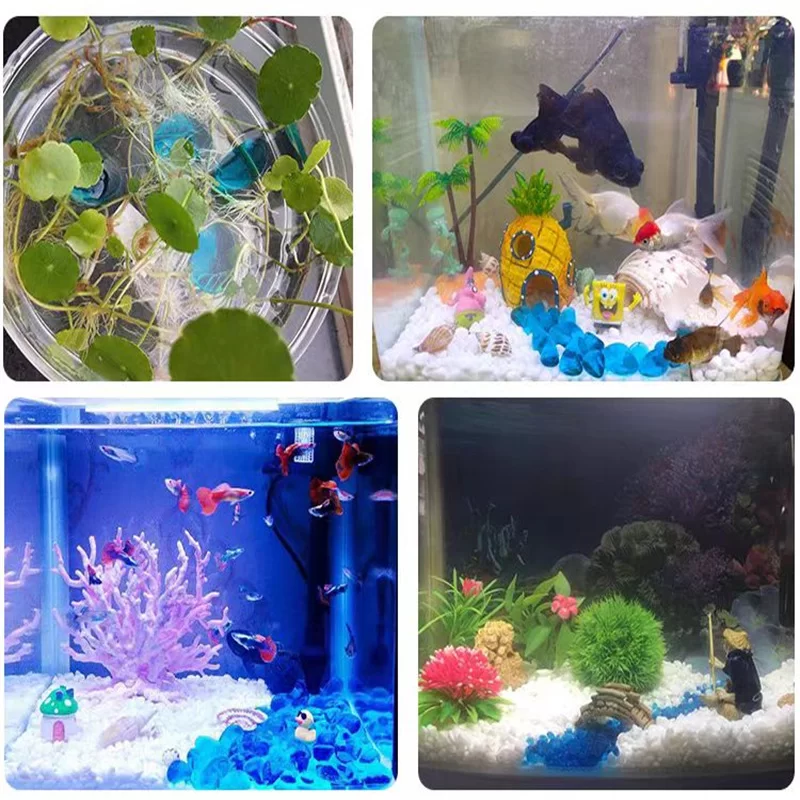
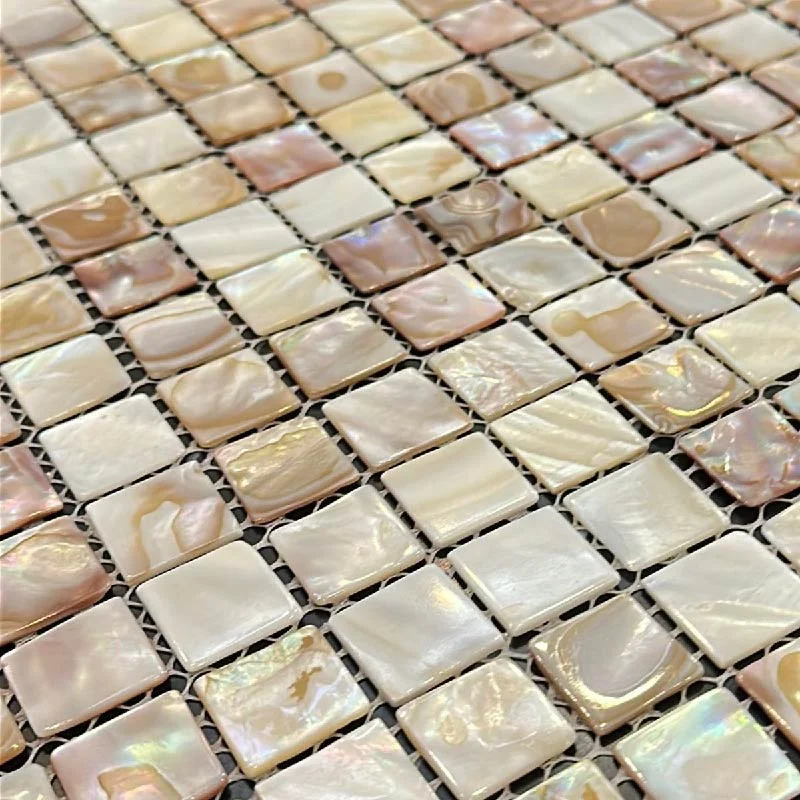
The versatility of bulk mineral aggregates allows them to be deployed across a vast array of sectors. In the luxury commercial sector, colored glass sand is used to create high-gloss Terrazzo floors that mimic the appearance of imported marble while offering superior durability. These applications are prevalent in airports, luxury hotels, and corporate headquarters across Asia and Europe.
Beyond aesthetics, industrial-grade wholesale sand is critical in remote industrial zones for use as high-performance fillers in rubber, plastics, and ceramics. For example, in the manufacturing of specialized insulation boards or thermal barriers, the low thermal conductivity of purified quartz sand makes it an ideal additive to enhance energy efficiency in building envelopes.
Efficiency Comparison of Sand Wholesale Materials
Long-term Value and Sustainability Benefits
Investing in premium sand wholesale solutions offers a compelling logical and emotional return. Logically, the use of anti-permeable and high-hardness materials reduces the frequency of resurfacing and sealing, leading to a lower total cost of ownership over the building's lifecycle.
Emotionally, the shift toward sustainable sourcing—specifically using recycled glass—provides peace of mind to developers and clients alike. Knowing that a stunning architectural feature is contributing to a circular economy rather than depleting natural ecosystems adds a layer of ethical value and corporate prestige to any project.
Future Trends in Mineral Procurement
The future of the aggregate industry is being shaped by digital transformation and automation. We are seeing the integration of AI-driven grading systems in wholesale facilities, which ensure that particle size distributions are perfectly consistent, eliminating the variance that often leads to "weak spots" in large-scale concrete or resin pours.
Sustainability policies are also pushing the industry toward "carbon-neutral mining." This involves optimizing logistics to reduce the carbon footprint of transporting heavy bulk materials and increasing the ratio of recycled content in every ton of wholesale sand delivered.
Additionally, the development of "smart aggregates"—sands infused with specific properties for improved thermal regulation or self-healing capabilities—is on the horizon. This will transform sand from a passive filler into an active component of a building's energy management system.
Overcoming Challenges in Sand Logistics
One of the primary challenges in sand wholesale is maintaining purity and preventing contamination during transit. Moisture ingress or the mixing of different grades during shipping can ruin the bonding properties of the material, leading to costly installation failures.
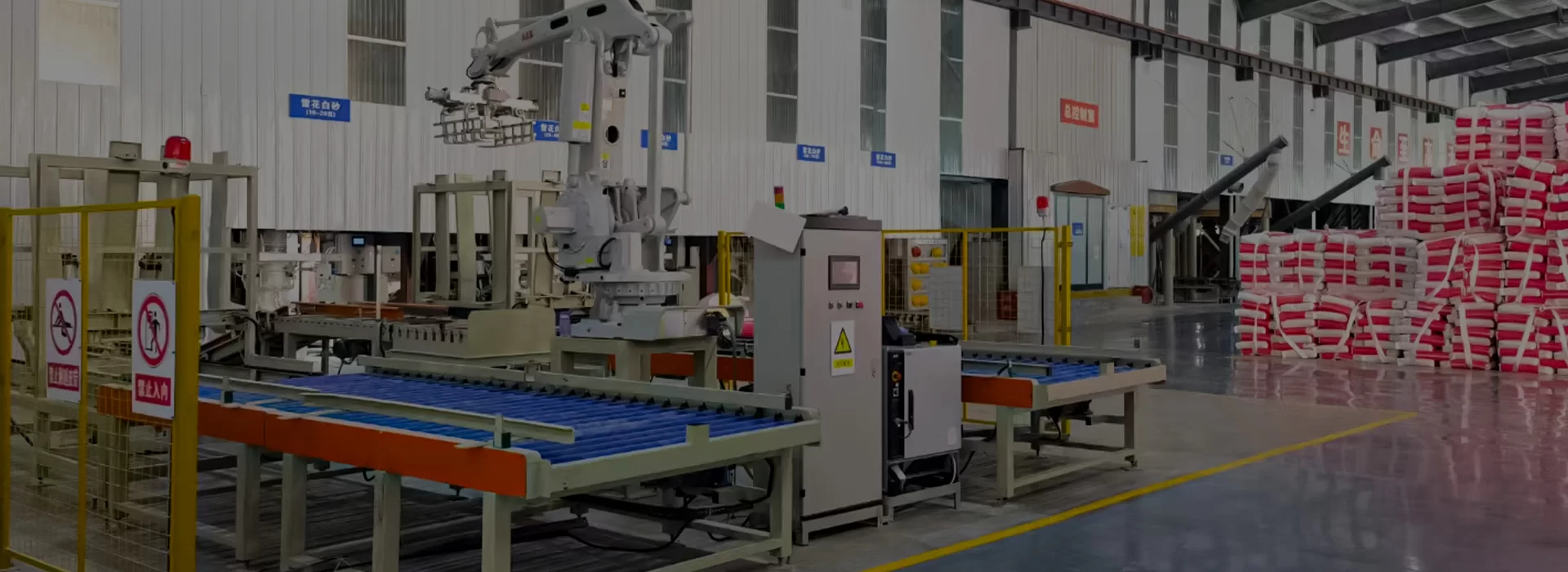
To solve this, industry leaders are implementing advanced moisture-proof packaging and precision-graded logistics. By using hermetically sealed bulk bags and rigorous batch-testing at the point of departure, suppliers can guarantee that the material arriving at the site matches the technical specifications exactly.
Another hurdle is the regulatory complexity of importing minerals across borders. Expert guidance on customs compliance and the provision of detailed Material Safety Data Sheets (MSDS) are now standard practices to ensure that high-performance sands move efficiently from the factory to the construction site.
Technical Comparison of Wholesale Sand Performance Metrics
| Material Type |
Hardness (Mohs) |
Water Penetration |
Eco-Impact Score |
| Recycled Glass Sand |
5 - 6 |
< 0.8% |
9.5 |
| High-Purity Quartz |
7 |
< 0.5% |
7.0 |
| Natural River Sand |
3 - 5 |
2.0% - 5.0% |
4.0 |
| Industrial Emery |
9 |
< 0.2% |
6.0 |
| Decorative Pebbles |
4 - 6 |
1.0% - 3.0% |
8.0 |
| Epoxy Flakes |
3 - 4 |
< 0.1% |
7.5 |
FAQS
Glass sand offers significantly higher gloss levels (up to 102 degrees), superior anti-permeability (water penetration under 0.8%), and extreme resistance to chemicals and oils. This makes it more durable and visually striking than traditional stone, which is more prone to staining and requires more frequent sealing.
Yes, provided you source from a professional supplier. Our wholesale glass sand is silicone-free and engineered to have extremely low dust generation. This eliminates respiratory risks for installers and ensures that the final installation does not off-gas harmful chemicals into the indoor environment.
Absolutely. When blended with specialized bonding agents to create a mortar, our wholesale sand is ideal for walls and ceilings. It provides a professional frosted effect and high bonding strength, ensuring the material does not sag or detach from vertical surfaces over time.
Our premium decorative sands range from 5 to 7 on the Mohs scale, which is comparable to the hardness of high-quality granite. This ensures exceptional wear resistance, making it suitable for high-traffic commercial environments like airports or shopping malls.
By choosing recycled glass sand, you are supporting a circular economy. This process repurposes waste glass that would otherwise end up in landfills and reduces the ecological destruction caused by dredging natural riverbeds for construction sand.
Yes, due to its exceptional filling properties, low thermal conductivity, and chemical stability, our sand is widely used as a high-performance filler for plastics, rubber, and ceramics, as well as in the production of specialized insulation materials.
Conclusion
In summary, the strategic procurement of sand wholesale is a cornerstone of modern, sustainable, and high-performance architecture. By focusing on key metrics such as Mohs hardness, anti-permeability, and chemical stability, developers can create spaces that are not only visually stunning but also structurally resilient and cost-effective over the long term. The transition from natural river sand to engineered and recycled alternatives marks a critical step toward environmental responsibility without sacrificing industrial quality.
Looking ahead, the integration of smarter materials and more transparent, automated logistics will further refine the aggregate industry. We encourage architects, contractors, and industrial designers to move beyond traditional materials and embrace the versatility of high-purity glass and quartz sands. By doing so, you ensure that your projects stand the test of time, both in strength and style. Visit our website for more information: www.cnfloormaterials.com