
Popular Design Effects Created with Mica Flakes for Epoxy Floors
Epoxy flooring has become one of the most popular flooring solutions in modern residential, commercial, and industrial spaces. Known for its durability, seamless finish, and easy maintenance, epoxy flooring is also highly valued for its decorative possibilities. One of the most effective ways to enhance the visual appeal of epoxy floors is by incorporating mica flakes for epoxy floors. These decorative mineral flakes can create unique textures, colors, and light-reflecting effects that transform plain floors into attractive design features.
Mica flakes are thin mineral particles that naturally reflect light, making them ideal for decorative coatings. When mixed with epoxy systems, they provide depth, dimension, and artistic effects that cannot be achieved with traditional pigments alone. In this article, we will explore several popular design effects created with mica flakes for epoxy floors and why they are widely used in modern flooring systems.
Metallic Effects with Mica Flakes for Epoxy Floors
One of the most sought-after design styles created using mica flakes for epoxy floors is the metallic effect. This finish mimics the appearance of polished metal surfaces, creating a luxurious and modern aesthetic. The reflective properties of mica minerals allow the epoxy coating to shimmer under lighting, producing a dynamic visual effect that changes depending on the viewing angle.
Metallic epoxy floors are often used in showrooms, retail stores, restaurants, and modern residential interiors. Popular color choices include silver, bronze, copper, gold, and graphite tones. These colors provide an elegant, industrial-style finish that pairs well with contemporary architecture.
The metallic effect is achieved by dispersing mica flakes into a pigmented epoxy base and manipulating the coating during application. As the epoxy cures, the flakes settle into natural patterns that resemble flowing metal, marble veins, or liquid textures. This technique creates floors that look artistic and unique, with no two installations appearing exactly the same.
Natural Stone Look Using Mica Flakes for Epoxy Floors
Another attractive design trend involves creating a natural stone appearance with mica flakes for epoxy floors. By blending multiple mica colors such as beige, brown, grey, and white, installers can simulate the texture and visual complexity of granite, quartz, or slate flooring.
This design effect is especially popular in commercial buildings, hotel lobbies, offices, and residential garages where durability is important but natural stone may be too expensive or difficult to maintain. Epoxy floors with mica flakes can replicate the visual depth of stone surfaces while offering the practical benefits of a seamless coating.
The layering of mica flakes within the epoxy matrix produces subtle color variations that resemble mineral deposits found in natural rock. When combined with clear protective topcoats, the final result is a polished, stone-like surface that resists stains, chemicals, and heavy foot traffic.
Decorative Terrazzo Effects with Mica Flakes for Epoxy Floors
Terrazzo-style flooring has experienced a strong resurgence in modern architecture, and mica flakes for epoxy floors are frequently used to recreate this classic design in a more cost-effective way. Traditional terrazzo floors are made from marble chips embedded in cement or resin, but epoxy systems allow installers to achieve a similar look using lightweight decorative flakes.
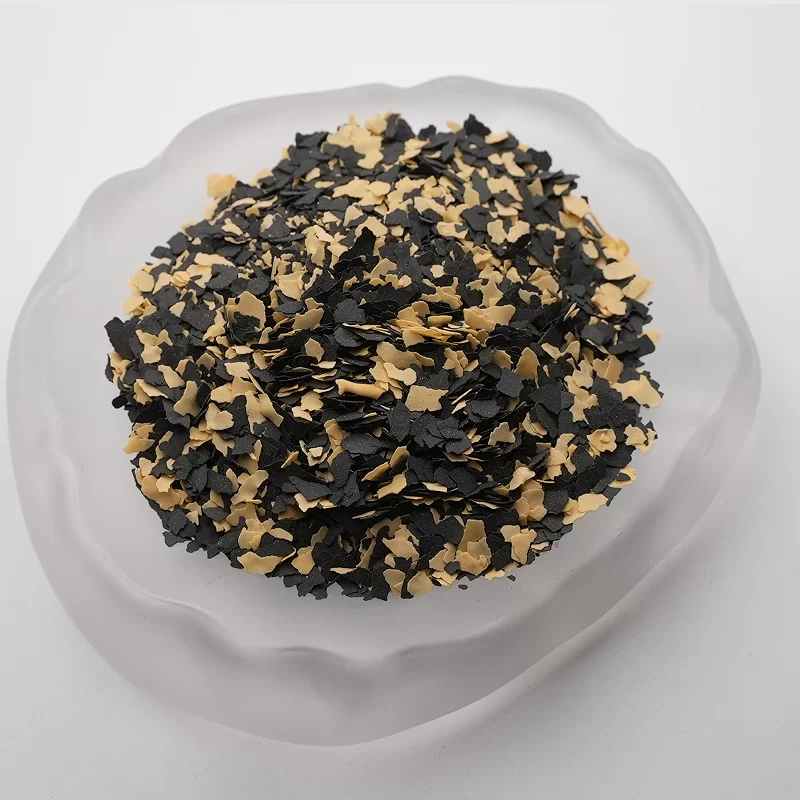
Mica flakes can be mixed with colored quartz sand, pigment powders, or additional mineral flakes to create vibrant terrazzo patterns. These floors often feature a combination of bright colors, geometric shapes, and scattered mineral particles that give the surface a lively, artistic appearance.
Terrazzo-style epoxy floors are commonly used in airports, schools, shopping centers, hospitals, and public buildings because they combine durability with decorative appeal. The reflective nature of mica flakes adds a subtle sparkle that enhances the overall visual impact without overpowering the design.
Marble-Inspired Finishes with Mica Flakes for Epoxy Floors
Marble-inspired epoxy flooring is another design effect made possible by mica flakes for epoxy floors. By carefully blending mica pigments with epoxy resin and applying special swirling techniques, installers can replicate the flowing veins and layered depth found in natural marble slabs.
This type of flooring is widely used in luxury homes, hotel interiors, spas, and boutique retail spaces. Colors such as white, black, emerald green, navy blue, and gold are often combined to produce dramatic marble patterns.
The key advantage of using mica flakes is their natural shimmer. Unlike artificial pigments, mica reflects light in a way that resembles real mineral crystals. This quality enhances the realism of marble-like epoxy floors, making them appear more sophisticated and visually rich.
Additionally, marble-inspired epoxy floors require significantly less maintenance than real stone surfaces. They do not require sealing or polishing as frequently, and the seamless coating prevents dirt from accumulating in grout lines.
Custom Color Blends with Mica Flakes for Epoxy Floors
One of the greatest advantages of mica flakes for epoxy floors is the ability to create custom color blends. Designers and contractors can mix multiple mica colors to match interior design themes, corporate branding, or architectural styles.
For example, modern office spaces may use grey and silver flakes to create a sleek, professional environment. Retail stores may prefer vibrant color combinations such as red, blue, and white to reinforce brand identity. Residential garages often use neutral blends of black, grey, and white for a clean, industrial look.
Because mica flakes come in various particle sizes and colors, installers have virtually unlimited design possibilities. They can adjust the density of flakes, layering techniques, and topcoat finishes to achieve matte, satin, or glossy effects.
Custom blends also allow epoxy floors to coordinate with wall colors, furniture, and lighting designs, helping create a cohesive interior aesthetic.
Reflective Light Effects with Mica Flakes for Epoxy Floors
Lighting plays a significant role in the final appearance of decorative floors. Mica flakes for epoxy floors are particularly valued for their ability to reflect and scatter light, creating dynamic visual effects throughout the day.
In spaces with natural sunlight or strong artificial lighting, mica flakes produce a subtle sparkle that enhances the depth of the epoxy coating. This reflective quality is especially effective in large commercial areas, exhibition halls, and modern residential interiors where lighting design is carefully planned.
Depending on the flake color and size, the floor may produce soft shimmering highlights or more dramatic reflective patterns. When combined with metallic pigments or translucent epoxy layers, the effect can resemble flowing water, polished minerals, or illuminated glass surfaces.
These light-enhancing properties make mica flakes an excellent decorative additive for epoxy flooring systems designed to create visually engaging environments.
Why Mica Flakes for Epoxy Floors Are a Popular Design Choice
The increasing popularity of mica flakes for epoxy floors is largely due to their combination of decorative beauty and functional benefits. Unlike traditional pigments, mica flakes provide texture, depth, and light reflection that significantly enhance the visual quality of epoxy flooring.
In addition to aesthetics, mica flakes also contribute to surface durability. They help improve slip resistance, conceal minor surface imperfections, and maintain color stability over time. This makes them suitable for both residential and heavy-traffic commercial applications.
Furthermore, epoxy floors with mica flakes are highly customizable. Designers can experiment with different colors, particle sizes, and application techniques to achieve unique decorative effects tailored to each project.
As modern architecture continues to emphasize both functionality and visual impact, mica flakes remain an essential material for creating creative, durable, and eye-catching epoxy flooring systems.