Find Reliable Decorative Gravel Suppliers For Beautiful Landscaping Projects
Decorative Gravel Suppliers: A Comprehensive Guide
Choosing the right decorative gravel can transform your landscaping projects, adding beauty and functionality to outdoor spaces. Finding reliable decorative gravel suppliers is crucial for quality materials and successful project completion. This guide explores the different types of decorative gravel, factors to consider when choosing a supplier, and how to ensure you receive the best value. We'll cover everything from color and size options to delivery logistics, helping you make informed decisions for your landscaping needs.

Types of Decorative Gravel
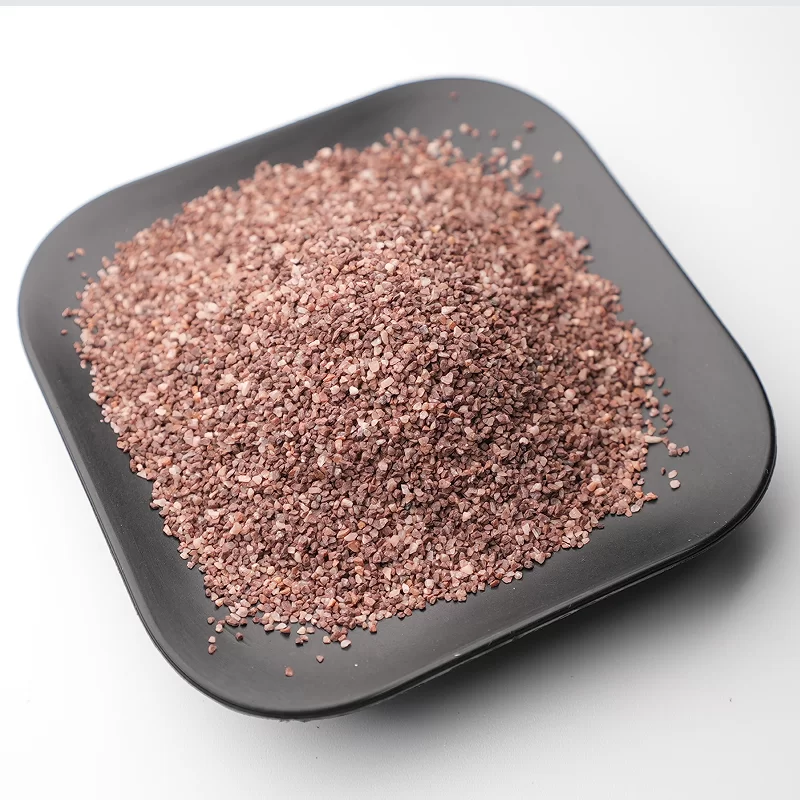
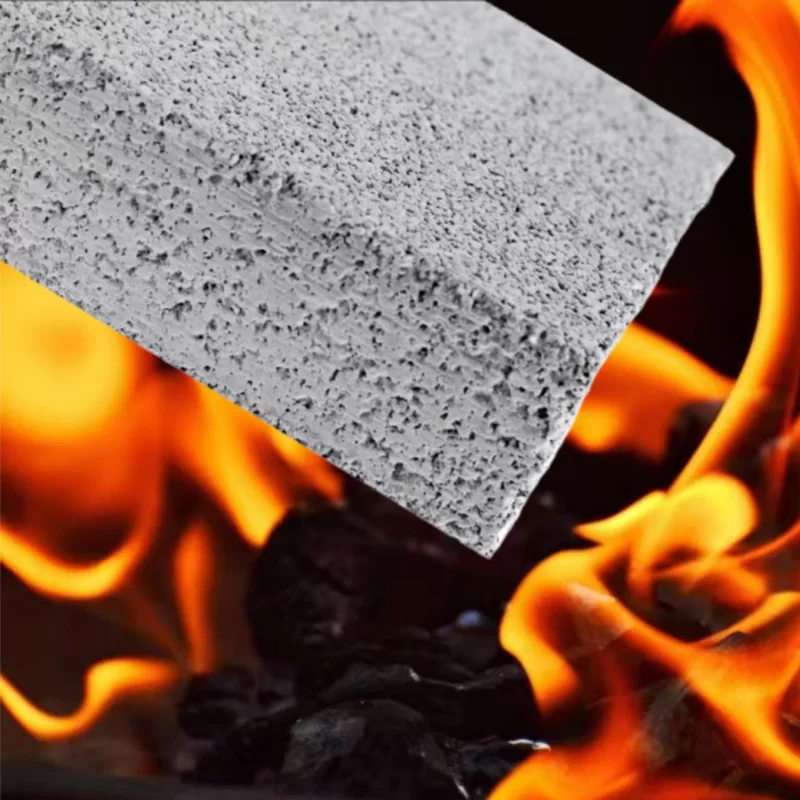
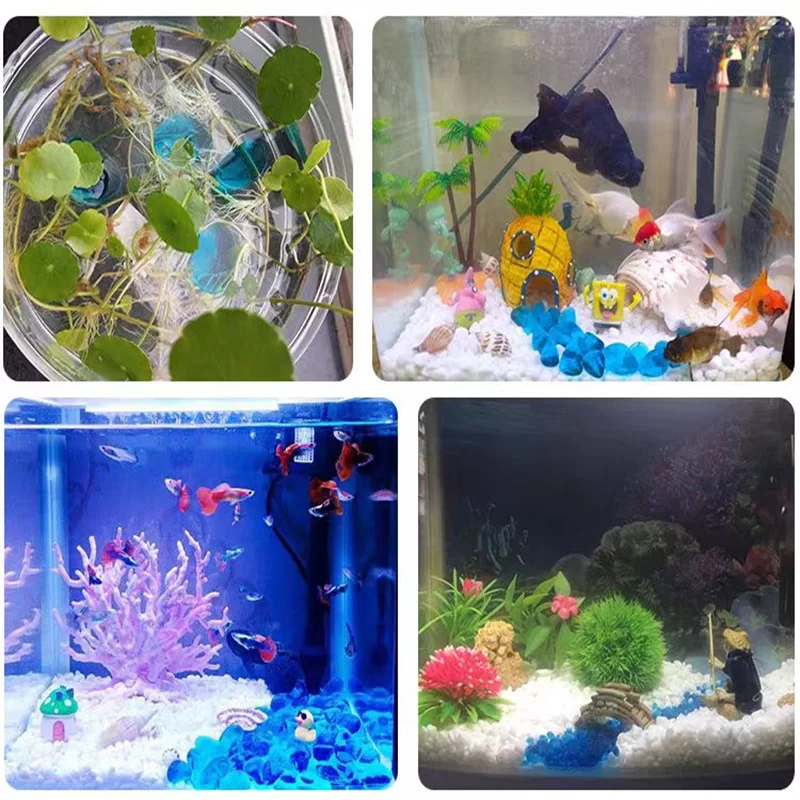
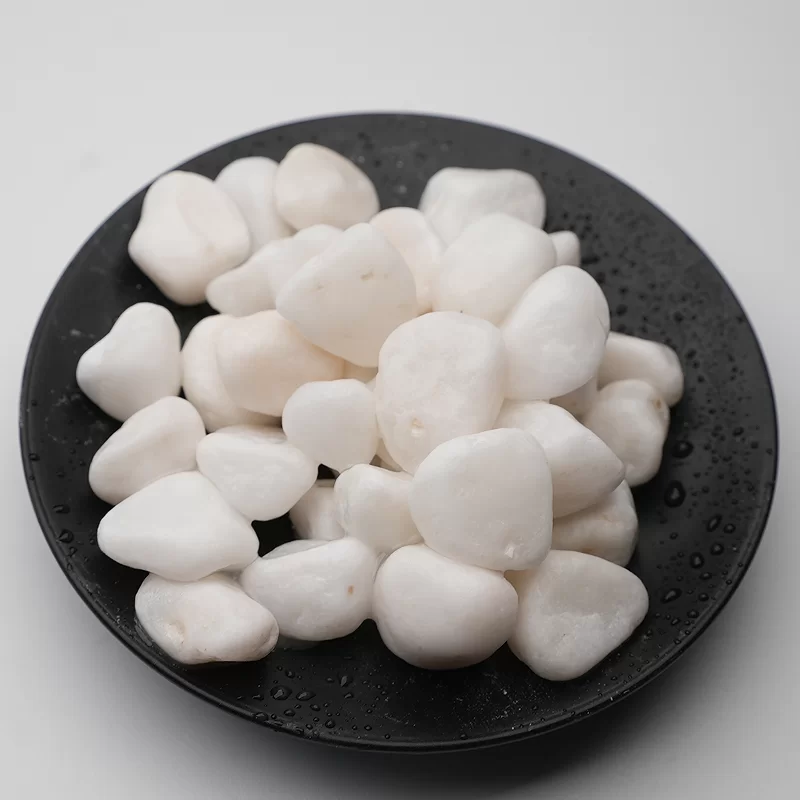
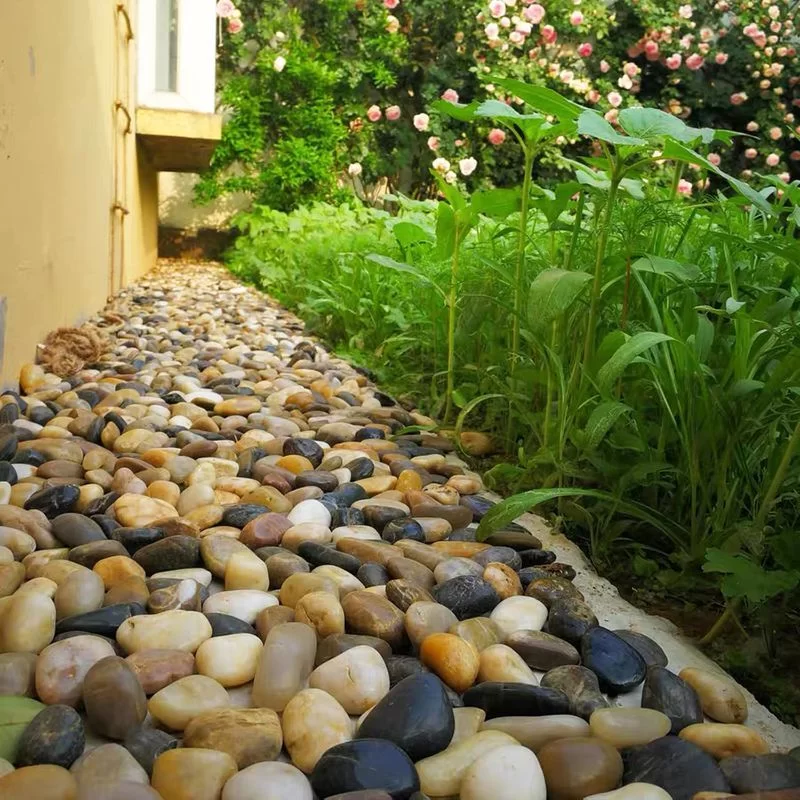
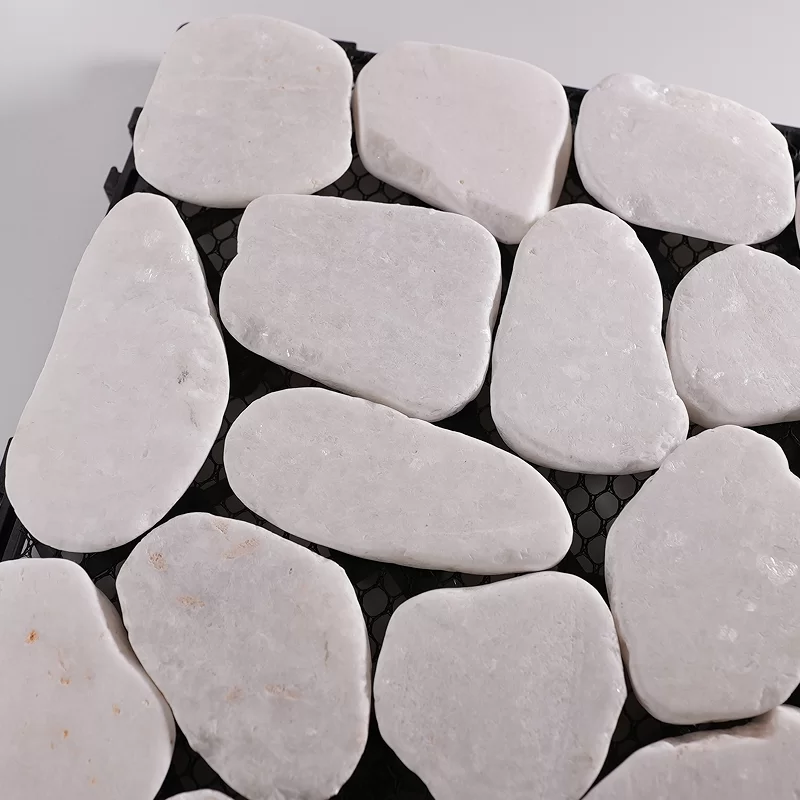
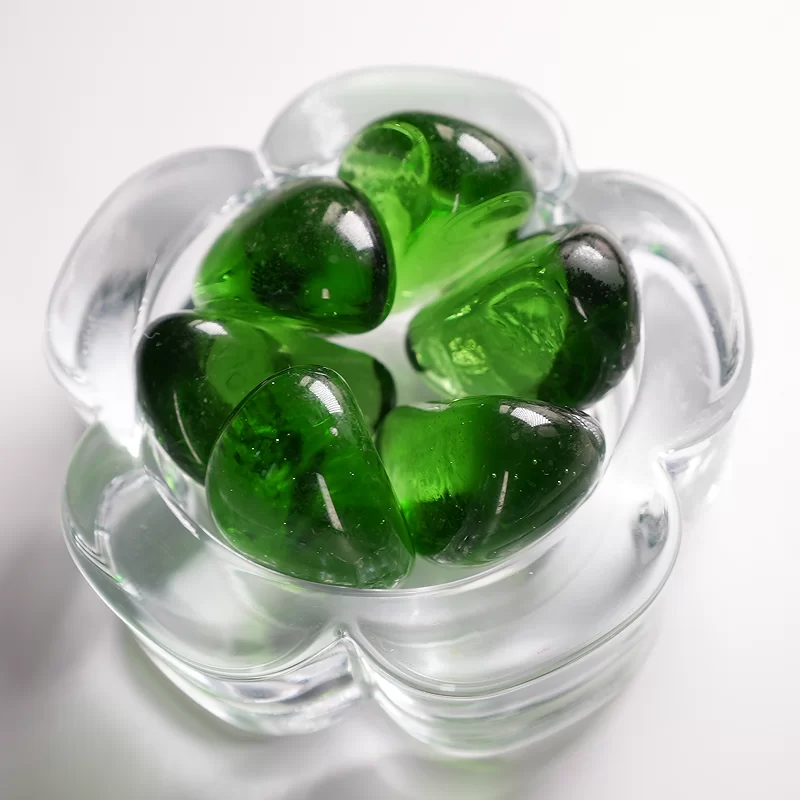
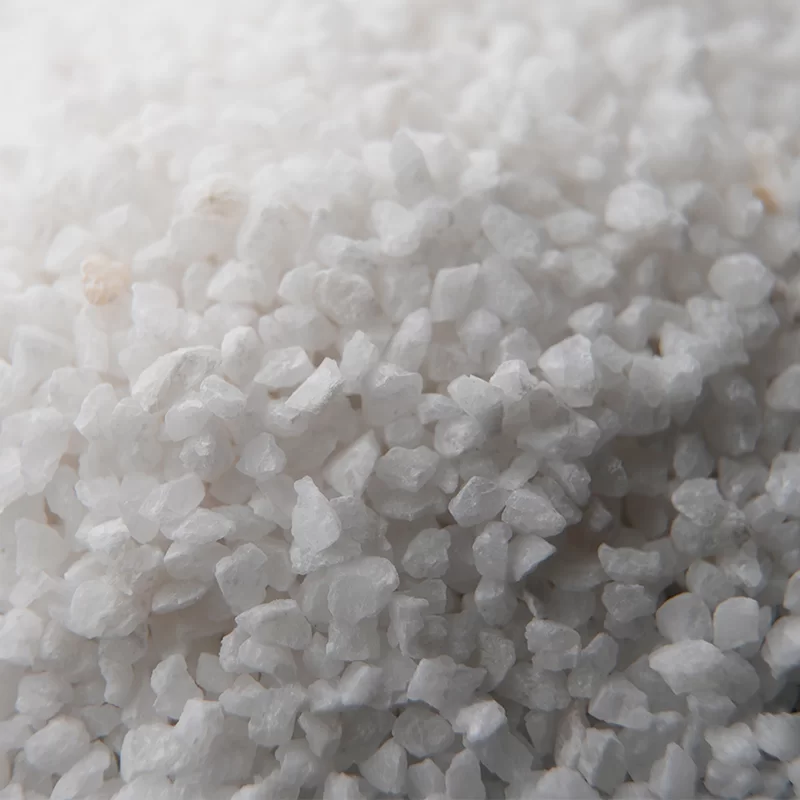
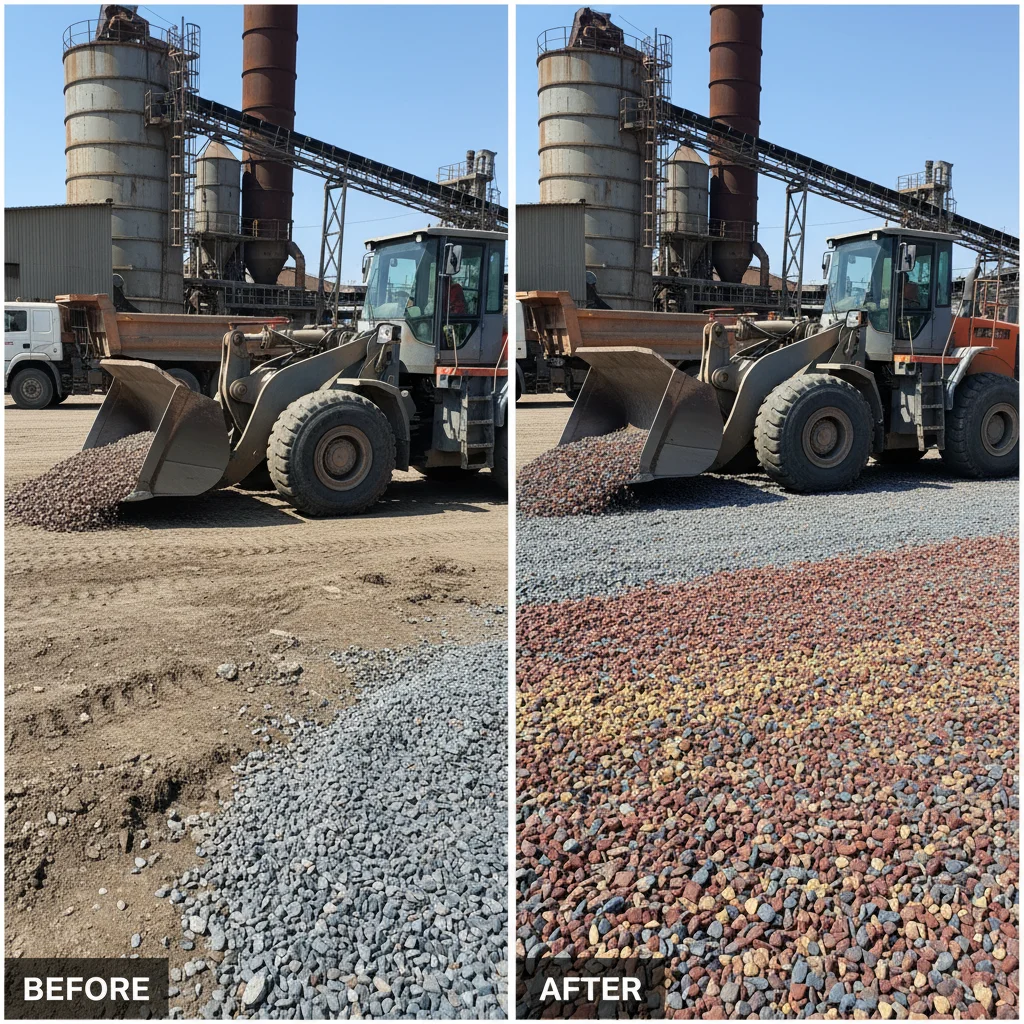
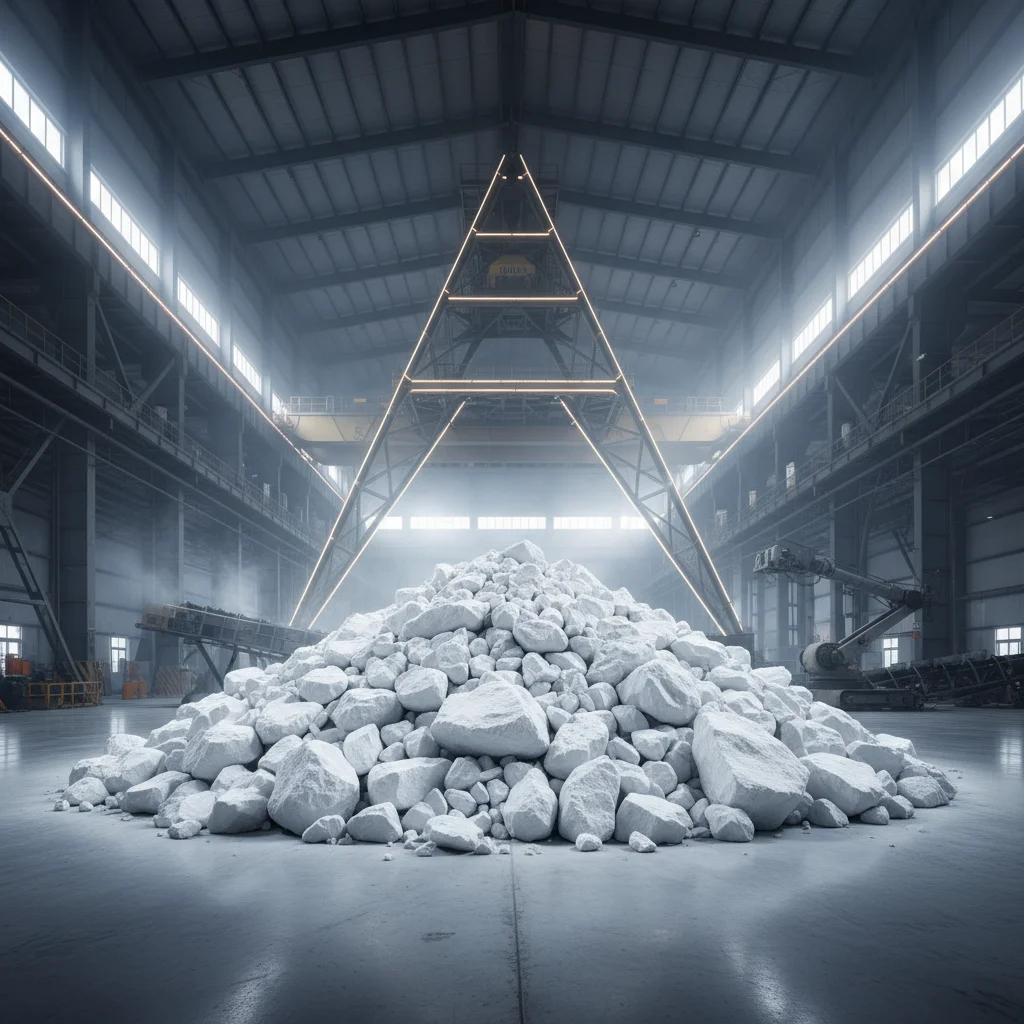
Decorative gravel comes in a wide variety of materials, colors, and sizes. Some popular options include pea gravel (smooth, rounded stones), crushed stone (angular fragments), river rock (larger, naturally smoothed stones), and lava rock (porous, lightweight). Each type offers unique aesthetic and functional benefits. Pea gravel is often used for walkways and playgrounds due to its comfortable texture, while crushed stone provides excellent drainage for driveways. River rock can create dramatic landscape features, and lava rock is ideal for gardens requiring good aeration. Selecting the appropriate type of gravel depends on the intended application and desired look.
Key Considerations: Consider the intended use, aesthetic preferences, drainage requirements, and budget when selecting the type of decorative gravel.
Choosing the Right Decorative Gravel Supplier
Selecting a reputable decorative gravel supplier is essential for ensuring product quality and reliable service. Look for suppliers with a proven track record, positive customer reviews, and a wide selection of materials. Factors to consider include pricing, delivery options, minimum order quantities, and the supplier’s ability to provide technical support. A good supplier will also offer consistent product quality and accurate descriptions of their gravel types.
Supplier Checklist:
• Wide product selection
• Competitive pricing
• Reliable delivery options
• Positive customer reviews
Comparing Popular Decorative Gravel Types
Different gravel types have varying costs, aesthetics, and functionalities. Here's a comparison to help you make an informed decision:
Delivery and Logistics: What to Expect
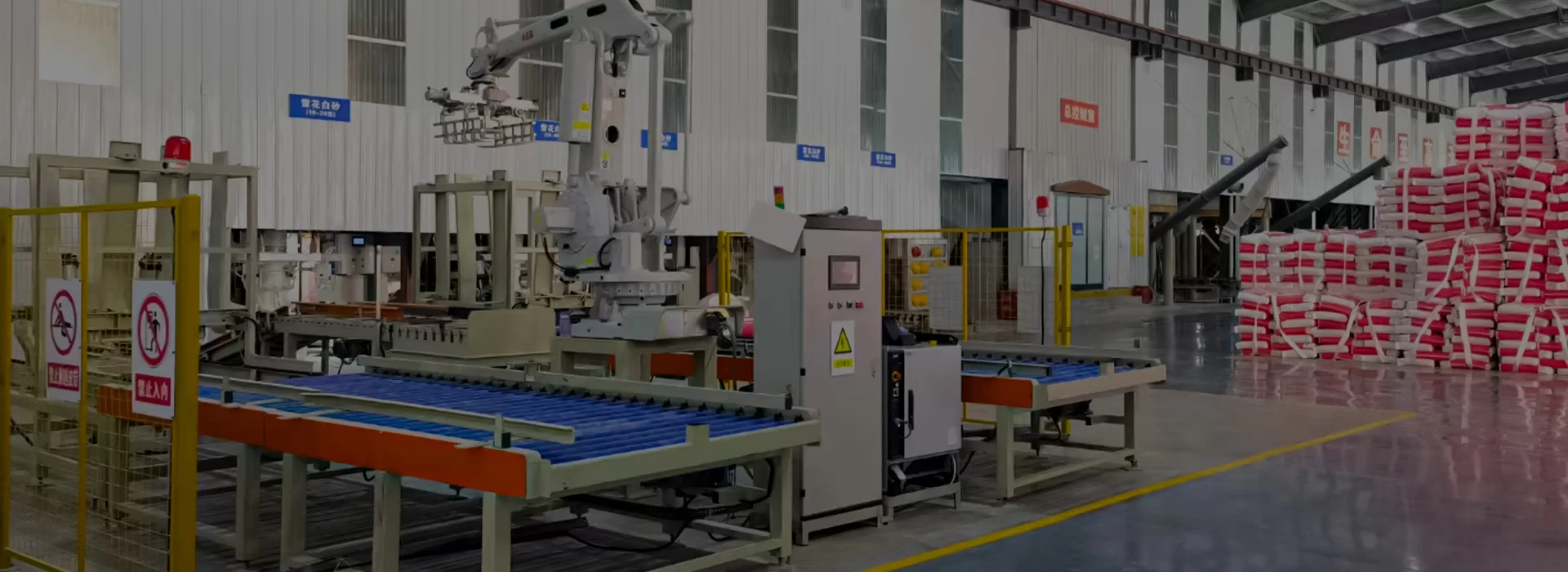
Efficient delivery is a critical aspect of working with decorative gravel suppliers. Discuss delivery options, lead times, and unloading procedures with your supplier. Consider the accessibility of your site and whether specialized equipment (e.g., a forklift or dump truck) is needed. Confirm the supplier’s insurance coverage and liability policies. Understanding the delivery process upfront can prevent delays and ensure a smooth project flow. CNFloorMaterials provides efficient and reliable delivery options to meet your project needs.
Ensuring Quality and Value
To ensure you receive quality materials and good value, request samples from potential suppliers before placing a large order. Inspect the samples for consistency in color, size, and cleanliness. Compare pricing from multiple suppliers, but don’t solely base your decision on price; consider the overall quality of the product and the reliability of the service. A reputable supplier will be transparent about their materials and pricing, and will be happy to answer your questions.
Conclusion: Finding Your Ideal Gravel Solution
Choosing the right decorative gravel and supplier is crucial for successful landscaping projects. By considering the different types of gravel, carefully evaluating suppliers, and ensuring quality materials, you can create beautiful and functional outdoor spaces. CNFloorMaterials is dedicated to providing high-quality decorative gravel and exceptional customer service. Don’t hesitate to contact us to discuss your project needs and find the perfect gravel solution.
Frequently Asked Questions (FAQs)
What quantity of gravel do I need for my project?
Calculating the amount of gravel needed involves measuring the area you want to cover (length x width) and determining the desired depth. Multiply these measurements to calculate the volume in cubic feet. Then, divide by 27 to convert to cubic yards (since there are 27 cubic feet in a cubic yard). It's always a good idea to add 5-10% extra to account for compaction and waste. Many suppliers offer online calculators or can assist you with determining the correct quantity based on your project specifications. Accurate measurement prevents shortages or overspending.
What is the difference between crushed stone and gravel?
While often used interchangeably, crushed stone and gravel differ in their shape and composition. Gravel consists of rounded, naturally smoothed stones, while crushed stone is made from angular fragments of rock. Crushed stone provides better interlocking and compaction, making it ideal for driveways and base materials. Gravel is more suitable for decorative purposes, walkways, and areas where drainage is important. The angularity of crushed stone creates a more stable surface, but gravel offers a more natural aesthetic.
Do I need a base layer before installing decorative gravel?
For most applications, especially driveways and walkways, a base layer is highly recommended. A base layer of compacted crushed stone provides a stable foundation, prevents the gravel from sinking into the soil, and improves drainage. The thickness of the base layer will depend on the intended use and soil conditions. For light foot traffic areas, a 4-inch base may suffice, while driveways may require a thicker base of 6-8 inches.
How can I prevent weeds from growing through my decorative gravel?
Weed prevention can be achieved by installing landscape fabric underneath the gravel. The fabric allows water to drain but prevents weeds from growing through. Alternatively, a thick layer of gravel (at least 3-4 inches) can help suppress weed growth by blocking sunlight. Regular maintenance, such as hand-pulling any weeds that do emerge, is also essential. Applying a pre-emergent herbicide can provide additional weed control, but always follow the manufacturer’s instructions carefully.