Understanding Perlite Board Solutions for Modern Building Insulation
Modern construction demands thermal efficiency, fire resistance, and long-term durability. As green building practices continue to evolve, more architects, builders, and insulation specialists are turning to perlite board products for roofing, walls, and specialty industrial applications. Available in various sizes and formulations such as perlite insulation board, perlite roof insulation, 1 2 perlite board, 3 4 perlite board, expanded perlite board, and perlite cover board, these materials offer reliable performance while supporting sustainable building goals.
This article explores the advantages, applications, and options available within the perlite board category to help professionals make informed decisions when specifying insulation products.
What Makes Perlite Insulation Board a Preferred Choice?
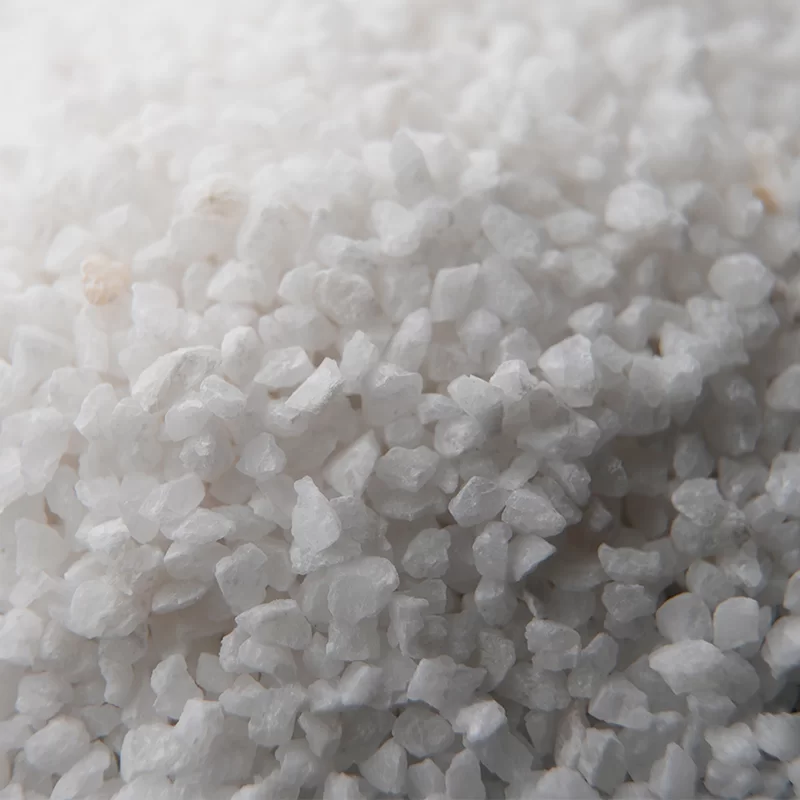
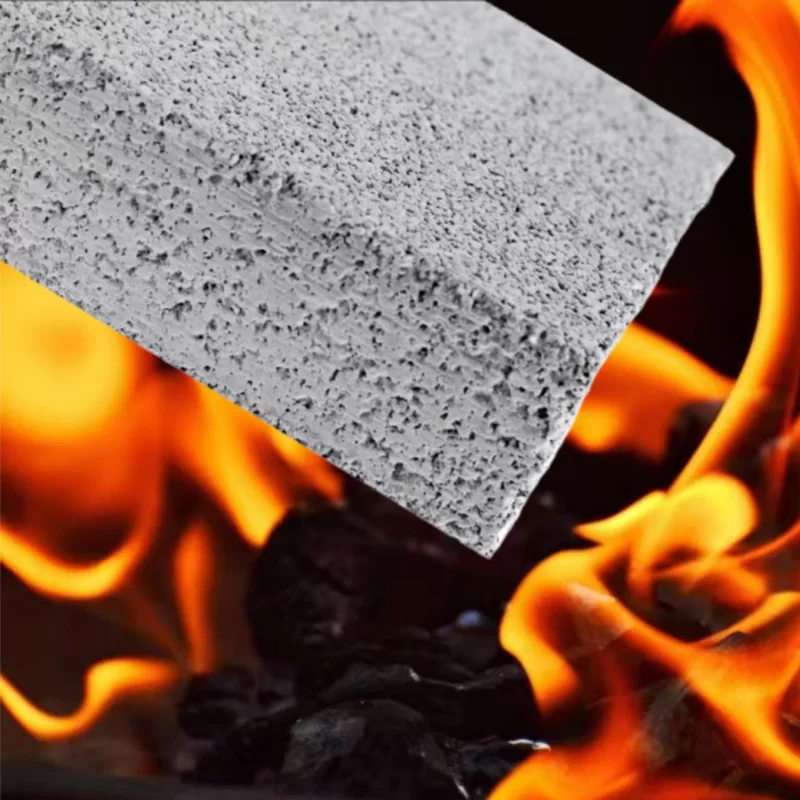
A perlite insulation board is a rigid, lightweight board manufactured using expanded perlite granules bonded with specialty binders. Perlite itself is a naturally occurring volcanic glass, and when heated, it expands dramatically into porous granules. These pores trap air, contributing to excellent thermal and acoustic insulation properties.
The most common benefits of using perlite insulation board include:
1. High Thermal Efficiency
The structure of perlite allows it to resist heat transfer, making it suitable for both hot and cold environments. In roofing, perlite roof insulation helps reduce HVAC loads by maintaining stable indoor temperatures.
2. Fire Resistance and Non-Combustibility
Perlite is naturally non-combustible. This makes products like expanded perlite board and perlite cover board ideal for fire-rated assemblies, industrial furnaces, boiler rooms, and high-temperature mechanical insulation applications.
3. Chemical and Moisture Stability
Because perlite does not rot, corrode, or absorb excessive moisture, boards such as 1 2 perlite board and 3 4 perlite board maintain consistent performance in demanding conditions including roofs, basements, and humid climates.
4. Lightweight and Easy to Install
Compared to mineral fiber or heavy cementitious panels, the lightweight nature of perlite board reduces material handling time and structural load requirements.
5. Sustainability
Perlite is inert, non-toxic, and environmentally friendly. Its low VOC profile and recyclability align with LEED and green building standards.
Thanks to these characteristics, perlite insulation board products are widely used in commercial construction, industrial facilities, cold storage buildings, and architectural roofing systems.
Applications of Perlite Roof Insulation and Cover Boards in Construction
One of the most significant markets for perlite board products is roofing. Both new and retrofit roofing systems benefit from the stability and performance that perlite roof insulation provides.
1. Low-Slope Commercial Roofing
Commercial low-slope roofing systems frequently incorporate perlite cover board or expanded perlite board over insulation layers to improve:
1. Fastener retention
2. Compressive strength
3. Fire-resistance ratings
4. Surface smoothness for membrane adhesion
Using perlite cover board beneath single-ply membranes can improve longevity, reduce puncture risk, and enhance wind uplift performance.
2. Built-Up Roof (BUR) and Modified Bitumen Systems
Many roofing contractors specify perlite roof insulation below bitumen or BUR systems due to its compatibility with hot asphalt and its ability to retain dimensional stability under heat and load. For waterproofing assemblies, perlite provides a firm substrate that maintains membrane integrity over time.
3. Wall and Floor Assemblies
Outside of roofing, perlite insulation board and expanded perlite board are used in wall cavities, underlayment assemblies, and fire-rated partitions. Boards such as 1 2 perlite board and 3 4 perlite board offer thickness options suitable for both structural and non-structural installations.
4. Industrial and High-Temperature Applications
Industrial sites utilizing boilers, processing vessels, chimneys, or thermal equipment require insulation that withstands extreme conditions without degradation. Because of its fire-proof, non-toxic nature, perlite board is a trusted solution in these environments.
From commercial roofing to industrial insulation, perlite board materials are versatile, durable, and environmentally conscious. Whether selecting perlite insulation board for wall systems, perlite roof insulation for low-slope commercial projects, expanded perlite board for fire-rated assemblies, or thickness options like 1 2 perlite board and 3 4 perlite board, builders can count on consistent performance and long-term value. With increasing demand for sustainable and energy-efficient materials, perlite cover board and other perlite-based products will continue to play an important role in modern construction.
When Should You Use Perlite Cover Board in Roofing Systems?
1. What Is Perlite Insulation Board and Why Choose Perlite Board Products?
A perlite insulation board is a rigid thermal board made from expanded perlite. Builders choose perlite board because it provides high thermal resistance, fire safety, and moisture stability without adding unnecessary weight to structures.
2. Where Is Perlite Roof Insulation Used in Construction?
Perlite roof insulation is primarily used in commercial low-slope roofing, BUR systems, and modified bitumen roofs. It enhances energy efficiency, provides a stable substrate for membranes, and helps increase the lifespan of roofing systems.
3. What Are the Differences Between 1 2 Perlite Board and 3 4 Perlite Board?
1 2 perlite board and 3 4 perlite board refer to thickness options. Thicker boards such as 3 4 perlite board typically provide higher compressive strength and better thermal performance, while 1 2 perlite board is ideal for lighter applications or as a protective layer beneath roofing materials.
4. What Makes Expanded Perlite Board Suitable for Fire-Rated Assemblies?
Expanded perlite board is naturally non-combustible and does not emit toxic fumes under heat, making it suitable for fire partitions, industrial insulation, and mechanical systems that must meet strict fire codes and safety standards.
5. What Is a Perlite Cover Board and When Should It Be Installed?
A perlite cover board is installed above insulation layers in roofing assemblies to improve membrane adhesion, puncture resistance, and fire performance. It is commonly used in commercial flat roofs, retrofit upgrades, and high-wind environments.