Buy Bulk Garden Gravel – Quality & Pricing Tips for Landscaping
Why bulk buy garden gravel is a smart move for your landscaping projects
Having spent years knee-deep in the industrial equipment and materials sector, I can tell you that buying bulk garden gravel often boils down to much more than just saving a few bucks. It’s about timing, quality, and a bit of that handy foresight that’s picked up only over time.
You see, gravel isn’t just gravel. Whether you’re working on walkways, drainage, or simply giving a classic, natural look to a garden bed, the type and quality of gravel matter. Many engineers and landscape architects I know swear by sourcing their stones in bulk to secure consistency, reduce wastage, and streamline supply chain logistics.
Oddly enough, when you buy in bulk from trusted suppliers, the specs tend to be more predictable, meaning fewer surprises on-site. I once had a project that called for 3/8-inch pea gravel, and the batch from a local vendor was inconsistent — lots of fines and oversized stones — which threw off compaction and drainage. Since then, bulk procurement with reliable specs has been a sort of rule for me.
Understanding Garden Gravel: Materials and Use
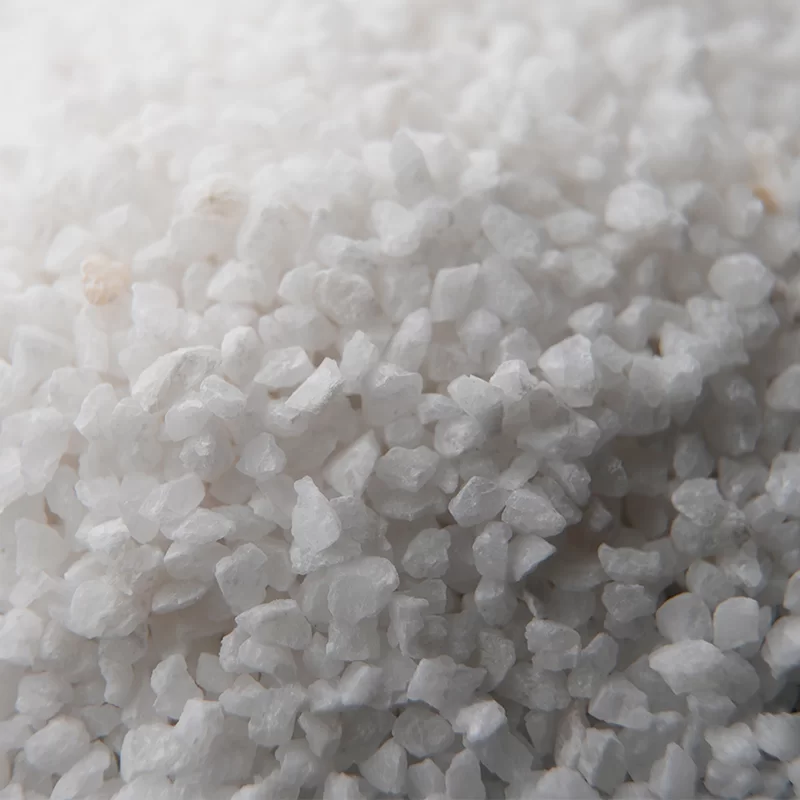
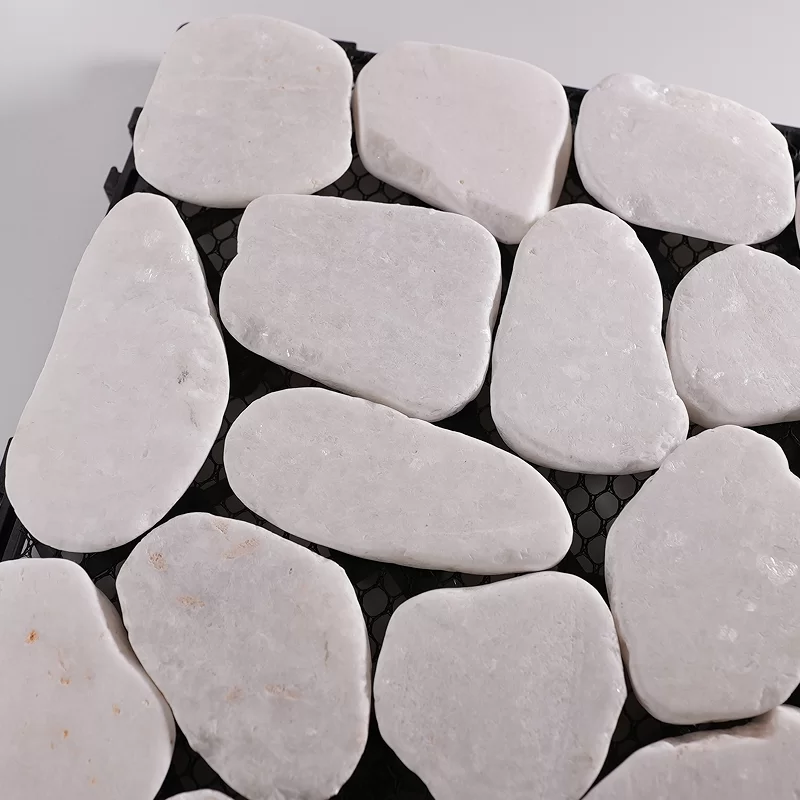
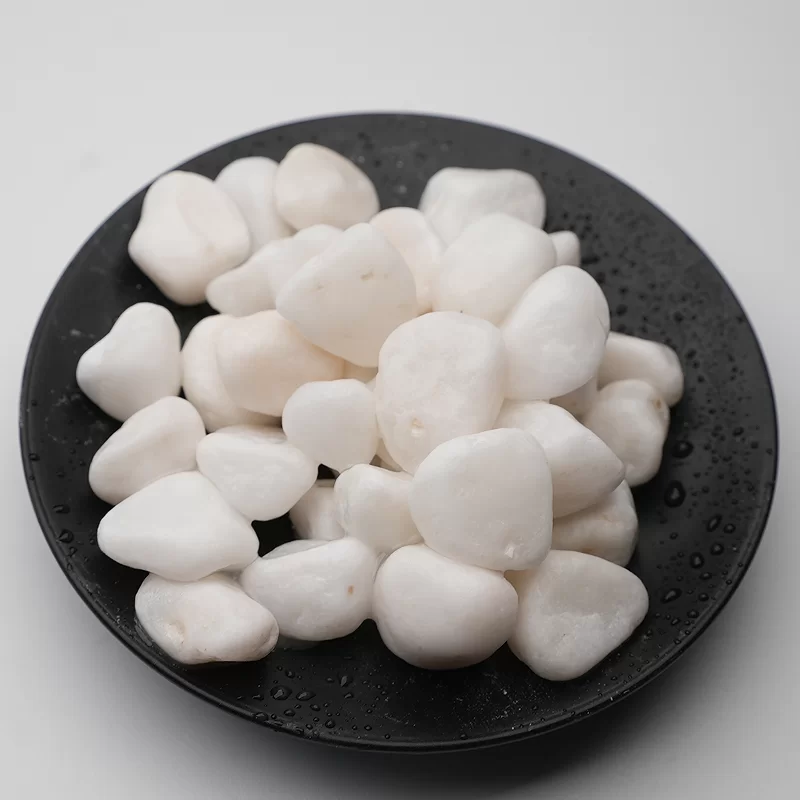
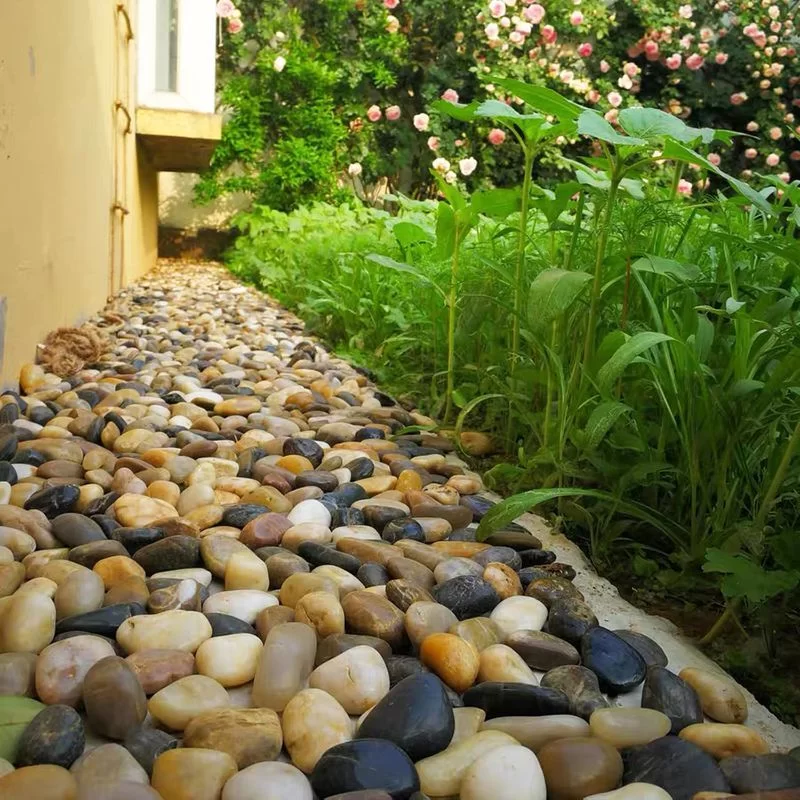
The most common garden gravels are typically crushed stone, pea gravel, or river rock. Crushed stone is angular, offering superior lock-in and compaction — ideal for pathways and driveways. Pea gravel, with its smooth, rounded edges, works nicely for decorative purposes but may shift underfoot if not properly contained.
Drainage projects prefer angular, well-graded aggregates. You want good interlocking stone with minimal fines — tiny particles that tend to clog the spaces between stones, reducing permeability.
Frankly, when I first started, I underestimated how much these little differences affect the project's long-term performance. It’s kind of like how subtle variations in steel grade or weld quality can make or break structural integrity — all those details count.
Product Specifications Snapshot
| Specification | Pea Gravel | Crushed Stone #57 | River Rock |
|---|---|---|---|
| Size Range | 3/8" to 1/2" | #57 (approx 3/4") | Varies, generally 1-4" |
| Material | Smooth quartz and limestone | Crushed limestone or granite | Natural river stones, polished |
| Ideal Usage | Decorative, pathways, play areas | Drainage, driveways, base layers | Water features, gardens, accents |
| Weight per Cubic Yard | 2,700 lbs | 2,800 lbs | 2,900 lbs |
| Drainage Rate | Moderate | High | Low to Moderate |
Vendor Comparison: What to Look for When Buying Bulk
When assessing suppliers, a few key factors come into play. Availability, product consistency, delivery reliability, and pricing — all matter a lot when you’re scooping up tons of material. Here’s a quick vendor comparison based on my years of experience and feedback from industry colleagues.
| Feature | Vendor A | Vendor B | Vendor C |
|---|---|---|---|
| Product Range | Wide (multiple gravel types) | Moderate (focus on crushed stone) | Niche (river rock specialist) |
| Bulk Pricing | Competitive with volume discounts | Flat pricing, less flexibility | Premium pricing, quality focus |
| Delivery Speed | 2-3 days typical | 5+ days | 3-4 days |
| Quality Consistency | High (certified sources) | Variable | Very High (hand-selected batches) |
| Customer Support | Responsive, technical advice | Basic support | Consultative, bespoke solutions |
I remember working with a landscape designer who needed over 20 tons of pea gravel in a pinch. Vendor A came through with short notice and kept the specs tight, avoiding the usual headaches of gravel sorting on-site. It felt like a win — and a reminder why solid vendor relationships make these projects run smoother.
So, if you’re considering a project next season or just refreshing your stockpile, bulk buy garden gravel is often your best bet. You get better pricing, consistent quality, and less hassle — frankly, all the things a seasoned industrial pro looks for when sourcing materials.
One last thing — always inspect your shipment promptly. Even bulk deliveries can surprise you with mix-ups or contaminants. It’s an industry truism worth remembering.
Reflection: In the end, gravel is one of the unsung heroes of the outdoor space. It holds paths firm, controls erosion, and adds that finishing touch that says “intentional design.” I've seen too many jobs suffer from a last-minute gravel scramble — so take the time, plan well, and source smartly.
References:
1. Construction Materials Handbook, 5th Ed.
2. Landscape Architecture Magazine, 2022, “Choosing the Right Gravel.”
3. Personal interviews with supply chain managers in landscaping (2018-2023).