
Understanding Decorative Rock Types: Benefits, Applications, and Trends
Exploring Decorative Rock Types: Their Global Importance and Practical Benefits
Decorative rock types might sound like just another landscaping detail, but frankly, they’re way more than pretty stones. Around the globe, these materials play vital roles — from beautifying urban parks to supporting sustainable construction practices. Understanding different decorative rock types offers architects, engineers, and even humanitarian workers smarter ways to blend form, function, and environmental harmony. So, why should we really care? Well, decorative rocks impact everything from aesthetic appeal to carbon footprints, and their global demand is only rising.
Introduction: Global Context of Decorative Rock Types
As urbanization accelerates, the use of natural stones and aggregates has surged worldwide. According to the United Nations Environment Programme, the construction sector accounts for roughly 36% of global resource use, with stone materials comprising a significant share. At the same time, rising awareness around sustainable sourcing and ecological footprints brings decorative rock types into sharper focus. Beyond just looking good, these materials help reduce erosion, facilitate green infrastructure, and often replace synthetic or high-energy products. Yet, challenges remain — sourcing responsibly, maintaining quality, and balancing costs across markets are ongoing puzzles for builders and designers everywhere.
Mini takeaway: Decorative rock types intersect ecology, economy, and design on a global scale, influencing urban development and sustainability agendas alike.
What Are Decorative Rock Types?
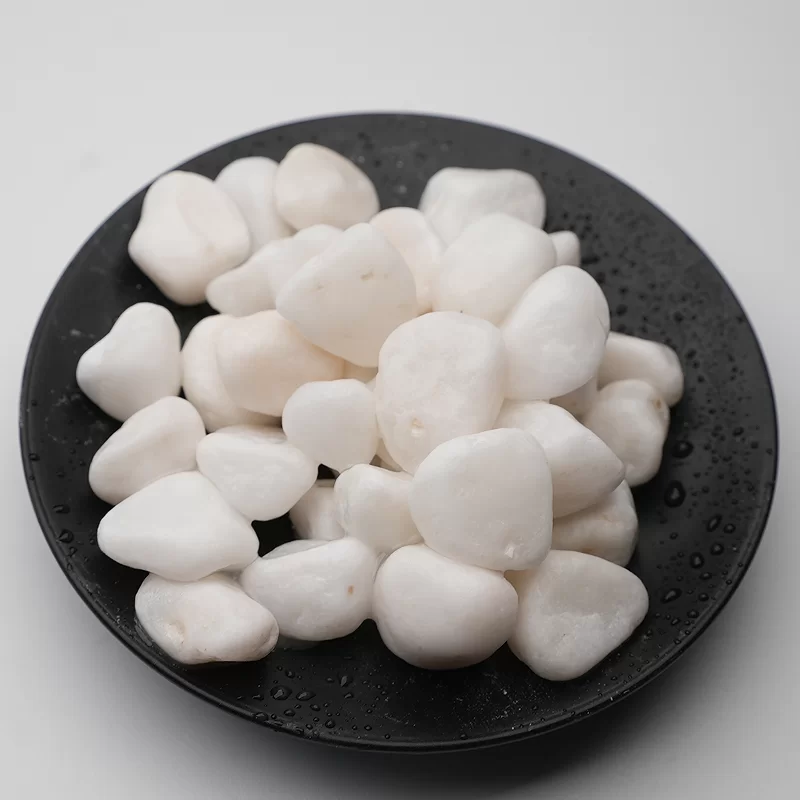
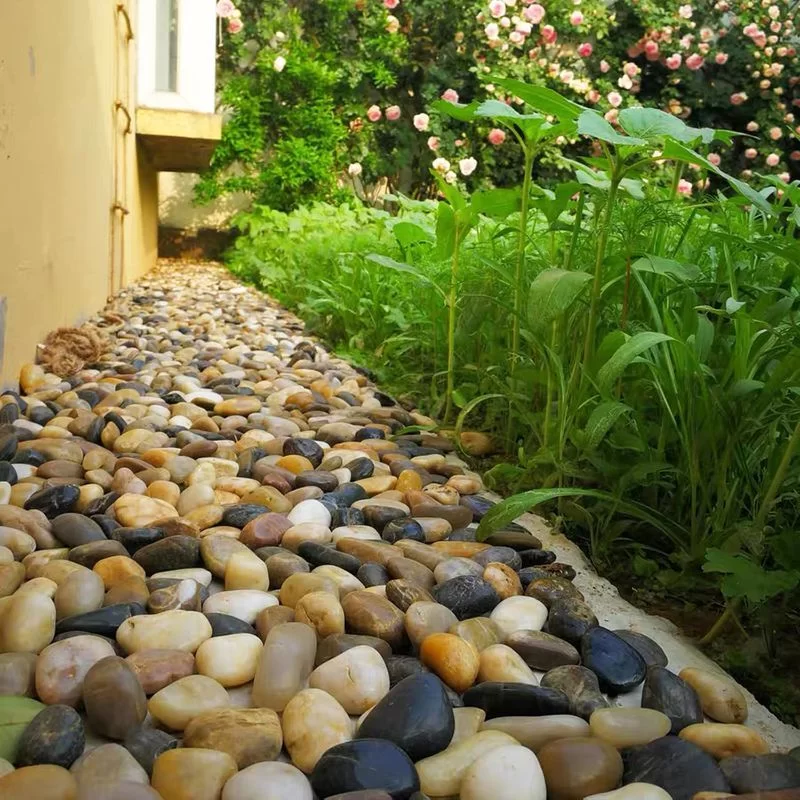
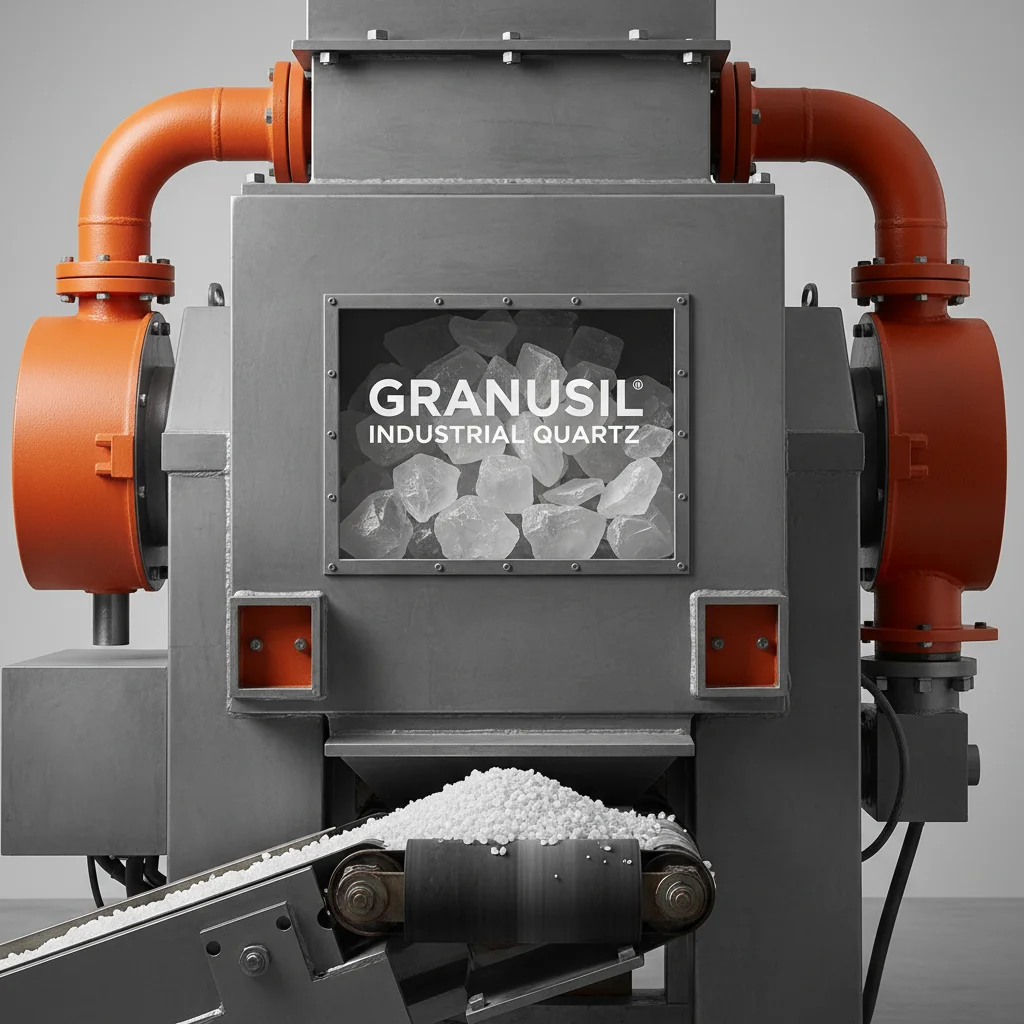
Simply put, decorative rock types refer to naturally occurring or processed stones and aggregates chosen primarily for their aesthetic qualities, but often for functional benefits too. Think polished granite, tumbled river rock, or crushed quartz—all examples used in paths, facades, or interiors. Their appeal lies in color variations, textures, and durability. But more than luxe looks, these materials have become foundational in industries like architecture, landscaping, and even humanitarian infrastructure, where resilient yet attractive surfaces forge connections between environment and human experience.
Key Factors Influencing Decorative Rock Selection
Durability
Decorative rocks vary widely in hardness and weather resistance. Granite, for instance, is prized for enduring harsh climates and heavy foot traffic; softer stones may offer unique textures but require protective sealing.
Color and Texture Variety
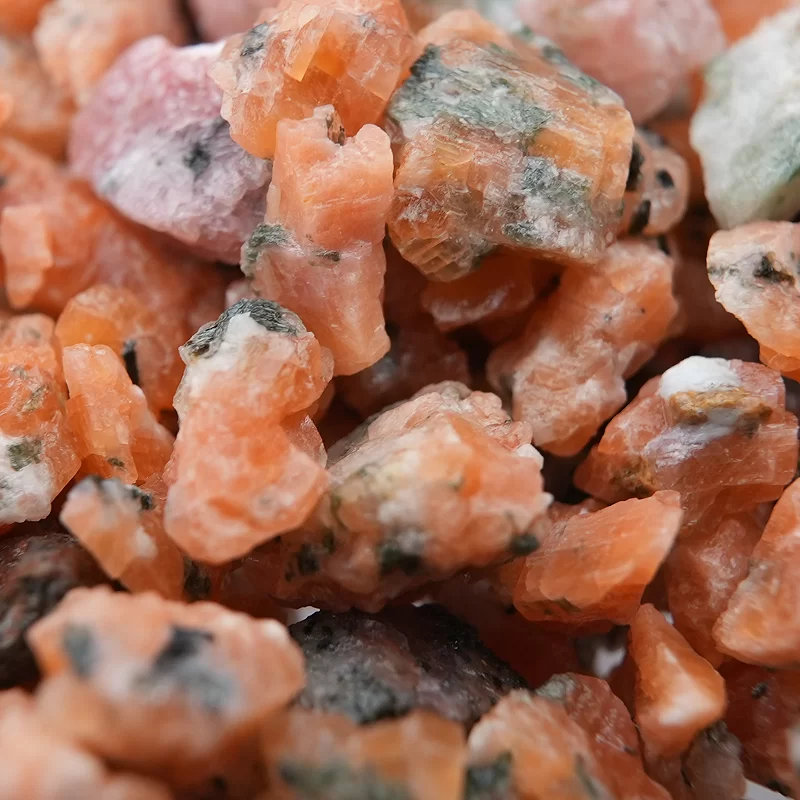
A wide palette—from rich reds of jasper to muted greens of serpentine—allows customization matching any design vision. Surface finish (polished, rough, honed) affects light reflection and tactile feel.
Environmental Impact
Source location and extraction methods influence sustainability. Responsibly mined decorative rock types, often certified by organizations like ISO 14001, minimize ecological disruption and carbon emissions compared to artificial alternatives.
Cost Efficiency
Beyond initial outlay, factors like transportation distance, installation methods, and maintenance influence total lifecycle cost. Sourcing locally often reduces expenses and environmental footprint.
Compatibility with Other Materials
In composite applications (think terrazzo floors or concrete enhancements), how a decorative stone integrates chemically and physically matters greatly to longevity and performance.
Mini takeaway: The decision to use a specific decorative rock type balances technical specs with aesthetic goals and ethical considerations.
Applications and Use Cases of Decorative Rock Types Worldwide
Decorative rock types find homes across diverse scenarios worldwide: from the stunning Japanese Zen gardens to eco-conscious landscaping in Scandinavian cities, or even post-disaster rebuilding efforts where durable, low-maintenance surfaces restore dignity quickly. Industrial urban centers often prefer granite or basalt for pedestrian plazas, while in arid regions, lighter-colored quarried stone reduces heat absorption.
Notably, organizations like Habitat for Humanity incorporate decorative rock types in designing affordable but appealing housing that respects local culture and climate. Oddly enough, decorative rocks aren’t just ornamental—they’re practical assets in infrastructure resilience and community identity.
| Rock Type | Color Range | Durability (Mohs scale) | Common Uses |
|---|---|---|---|
| Granite | Gray, pink, white | 6-7 | Flooring, countertops, outdoor paving |
| Quartzite | White, gray, pink | 7 | Wall cladding, decorative aggregates |
| Slate | Black, green, purple | 3.5-4 | Roofing, flooring, landscaping |
| River Rock | Multi-colored | Variable | Ground cover, water features, pathways |
Advantages and Long-Term Value of Choosing Decorative Rock Types
On the surface, decorative stones enhance landscapes and buildings—but their true value runs deeper. Logically, these materials often require less maintenance and last decades, reducing renovation costs. Emotionally, they lend spaces a timeless dignity and sense of permanence, which is critical in public and cultural landmarks. Moreover, when sourced responsibly, decorative rocks support sustainable practices by limiting synthetic material use, lowering greenhouse emissions linked to manufacturing, and often encouraging local economies.
Future Trends & Innovations in Decorative Rock Use
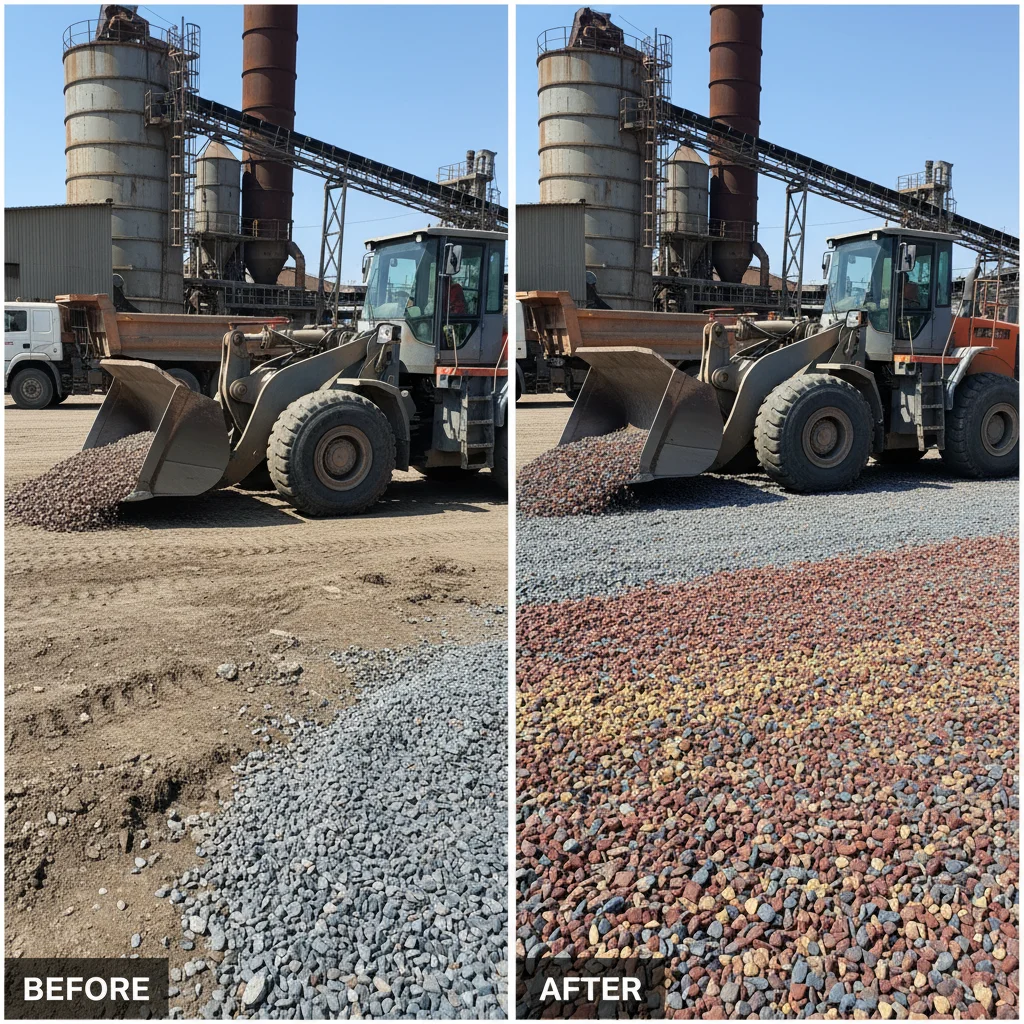
Looking ahead, several trends reshape how decorative rock types integrate into projects. Green technology is pushing for carbon-neutral quarries and digital mapping to optimize resource use. Nanotechnology coatings are enhancing water resistance and self-cleaning properties. Plus, automation in cutting and polishing improves precision and efficiency, reducing waste. Finally, cross-disciplinary efforts promote upcycling quarry waste into new decorative aggregates—an exciting step toward circular economy goals.
Challenges and Expert Solutions
Still, challenges abound: inconsistent supply quality, transportation costs, and environmental concerns shadow decorative rock types usage. Experts suggest closer partnerships between suppliers and designers earlier in the project lifecycle to reduce mis-specification risks. Also, investing in certifications and transparent sourcing chains builds trust and accountability. Innovative materials that mimic natural aesthetics without the environmental toll are gradually emerging, providing alternatives when natural rock is scarce or impractical.
Frequently Asked Questions About Decorative Rock Types
- Q: What factors should I consider when choosing decorative rock for outdoor landscaping?
A: Focus on durability against weather, slip resistance, color stability under sunlight, and local sourcing to reduce environmental impact. Also consider maintenance requirements and budget constraints. - Q: Are decorative rock types suitable for high-traffic commercial flooring?
A: Yes, but choose harder materials like granite or quartzite with finishes designed for slip resistance and abrasion protection to ensure long service life. - Q: How can I verify the sustainability of the decorative rock I purchase?
A: Look for industry certifications such as ISO 14001, ask for documentation on quarrying practices, and favor suppliers with transparent environmental policies. - Q: Can decorative rocks be recycled or reused?
A: Absolutely. Many projects reclaim leftover stones or repurpose demolition waste as aggregate, reducing landfill and conserving resources.
| Supplier | Range of Rocks | Sustainability Certifications | Global Shipping | Price Level |
|---|---|---|---|---|
| StoneScape Ltd. | Granite, quartzite, marble | ISO 14001, FSC Rocks | Yes | High |
| EcoRock Supplies | River rock, slate, recycled aggregates | LEED Compliant, ISO 14001 | Limited | Medium |
| Global Stone Corp. | Wide variety including decorative granites | None | Yes | Low |
Conclusion and Call to Action
Decorative rock types aren’t just about curb appeal. They represent a thoughtful intersection of beauty, durability, sustainability, and cultural expression. By choosing the right materials, designers and builders create spaces that last longer, look better, and reduce environmental impact. For anyone interested in exploring a fantastic range of decorative stones or seeking expert advice, I wholeheartedly recommend visiting our website. There, you’ll discover a well-curated selection and knowledgeable support to match your project’s needs.
It feels a bit like uncovering nature’s own palette for modern life — practical, elegant, and rich with history.
References:
1. United Nations Environment Programme (https://www.unep.org)
2. ISO Environmental Management standards (https://www.iso.org)
3. LEED Certification info (https://www.usgbc.org/leed)