The architectural shift toward bespoke interior surfaces has renewed interest in the precision of stone custom configurations, particularly in the resurgence of high-end terrazzo systems. Modern design now demands a level of aggregate control that moves beyond standard industrial gravel toward curated mineral compositions.
This transition is driven by the need for seamless integration between artistic expression and structural durability. The challenge lies in balancing the aesthetic desire for varied colors and shapes with the engineering requirement for wear resistance and impact stability in high-traffic environments like airports and commercial complexes.
This analysis examines the technical variables involved in customizing stone aggregates for terrazzo, exploring how material selection and processing workflows impact the longevity and visual integrity of the final installation.


The core of a stone custom approach is the ability to creatively combine aggregates of various colors and materials. By integrating natural stone particles with specialized elements like embedded metal sheets or shells, engineers can create an aesthetic that bridges the gap between retro textures and modern minimalism.
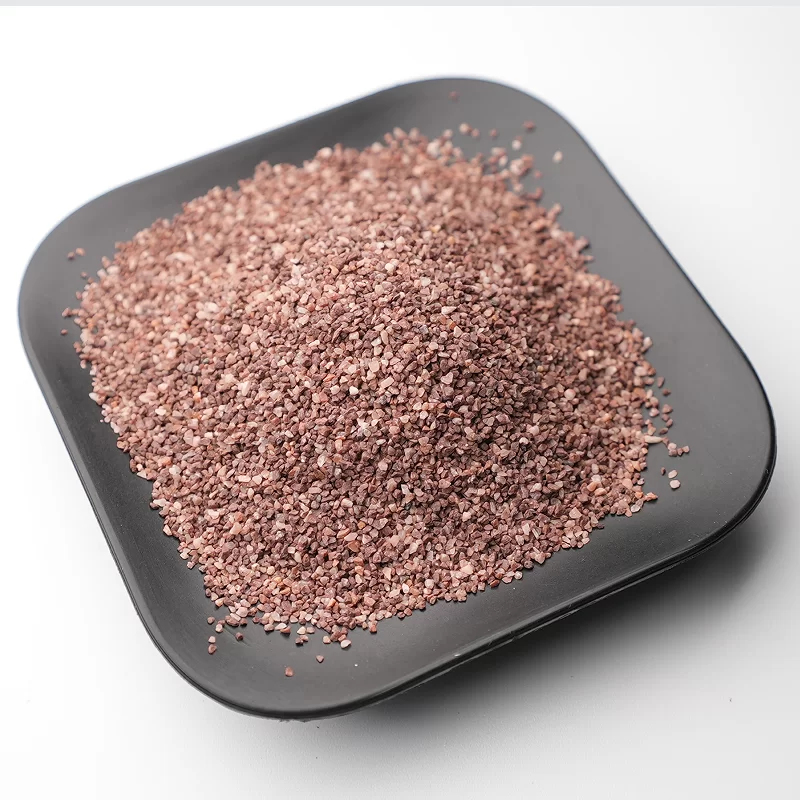
From a technical perspective, this requires a deep understanding of mineral morphology. The use of pure natural stone particles ensures a non-adhesive, rough surface that provides the necessary mechanical interlock when embedded in a binder, whether cement-based or epoxy resin.
Grain size distribution is the primary technical driver for terrazzo performance. Standardized crushed stone ranges from fine 2-3mm and 3-5mm particles for detailed decorative work, up to larger 3-5cm aggregates used in heavy-duty industrial floors or rugged outdoor landscapes.
The choice of diameter directly influences the void ratio within the matrix. Smaller particles facilitate a denser pack, reducing the amount of binder required and typically increasing the compressive strength of the surface, which is critical for flooring in airports and hospitals.
Conversely, larger aggregates provide the "bold" aesthetic characteristic of traditional terrazzo. However, these require careful leveling and a more robust binder to prevent shrinkage cracks and ensure that the larger stones remain securely anchored during the grinding and polishing phase.
The interaction between the customized stone and the binding agent defines the long-term viability of the installation. Three primary construction processes are currently utilized in the industry, each offering different mechanical and aesthetic advantages.
Pervious exposed aggregate systems represent a third path, focusing on drainage and environmental permeability. This process involves spraying a retarder on the surface before washing, which exposes the natural stone while maintaining a porous sub-structure for water management.
The mechanical behavior of the finished surface is a function of the aggregate size selected. Larger stones often increase the perceived robustness and "natural" feel but can introduce localized stress points if the binder is not uniformly distributed.
Engineering assessments typically rate different grain sizes based on their suitability for specific environments, focusing on factors like wear resistance, ease of polishing, and overall structural stability.
In high-traffic commercial zones, the application of customized aggregates extends beyond simple flooring. Wall decorations often utilize finer stone custom blends to create intricate art walls, while countertops for bars and bathrooms utilize a high-density epoxy mix for water resistance and a sturdy finish.
Furniture designers are increasingly adopting these materials for tabletops and planters, leveraging the impact resistance of crushed stone to ensure product longevity in both indoor and outdoor environments.
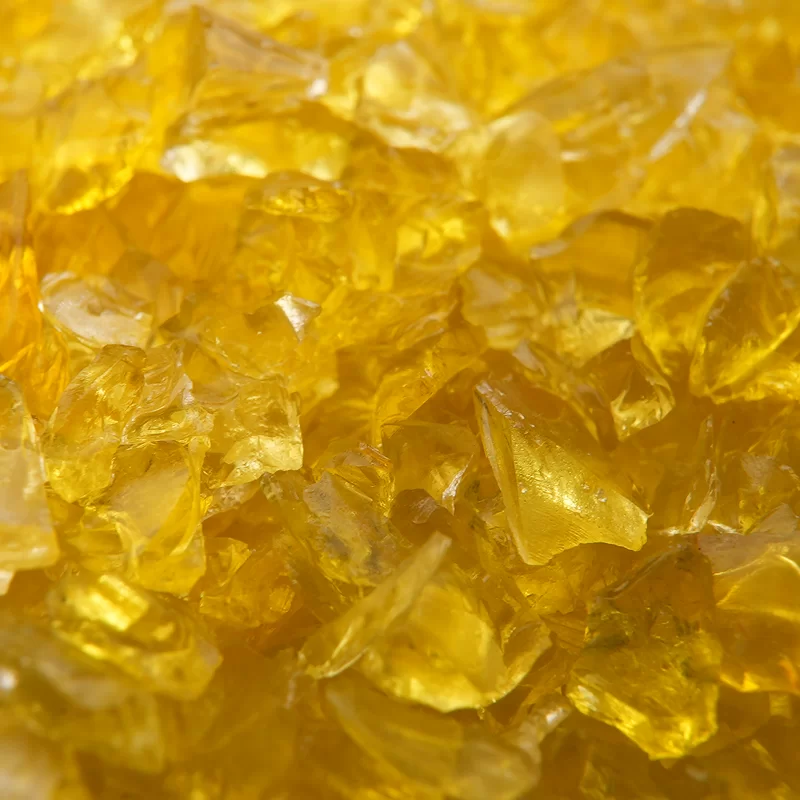
The trajectory of the mineral processing industry is moving toward higher purity and more sustainable sourcing. The integration of recycled glass and luminous materials into the stone matrix is becoming a standard for urban infrastructure projects that prioritize both aesthetics and energy efficiency.
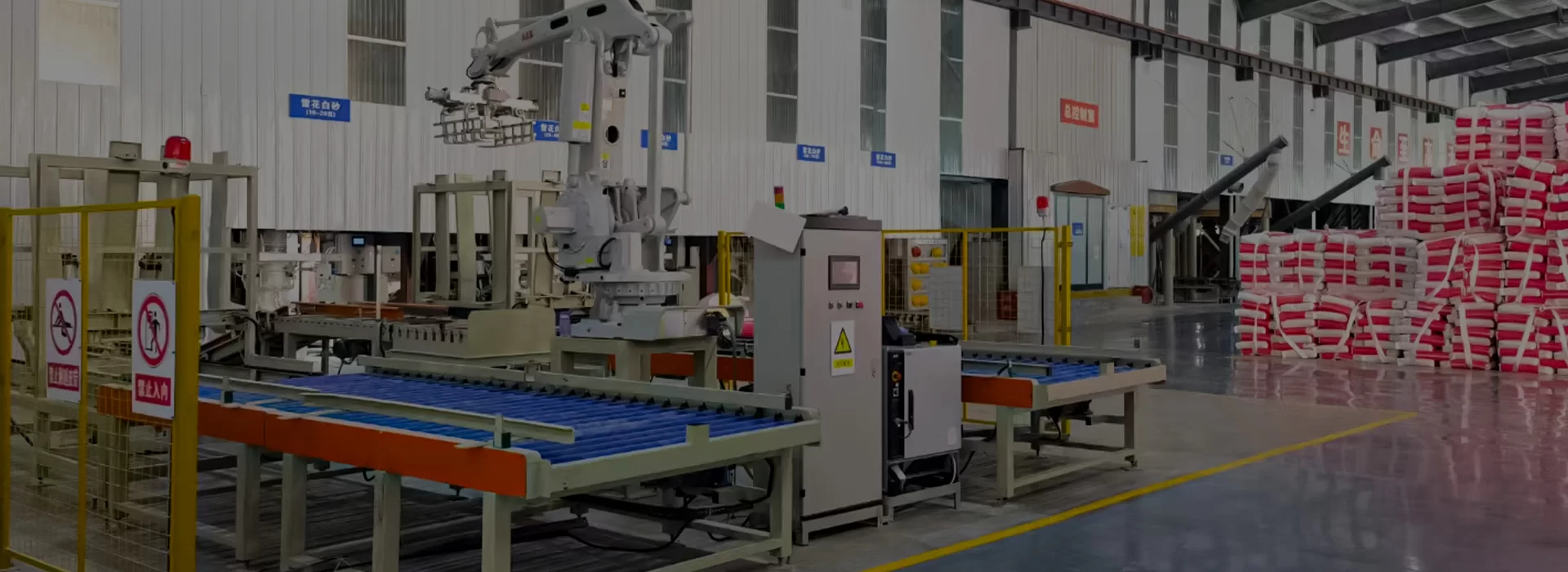
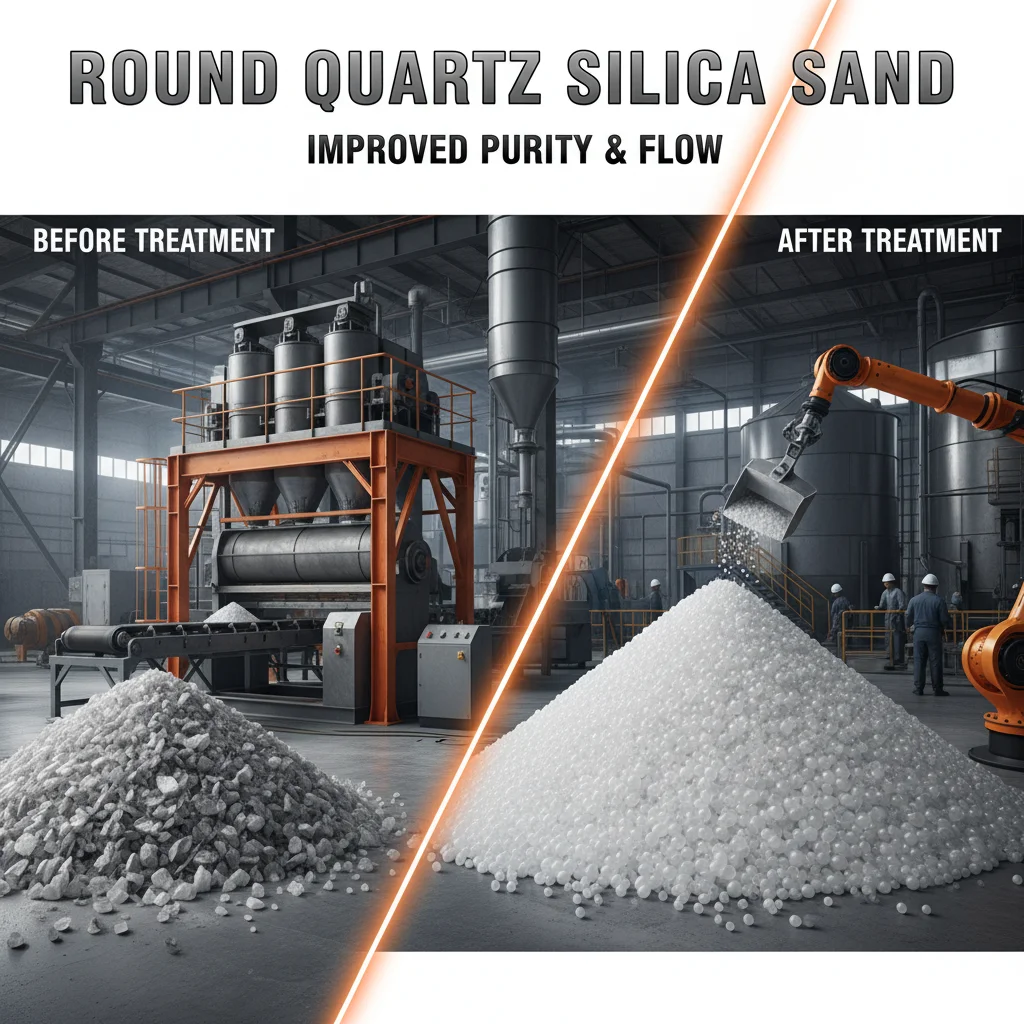
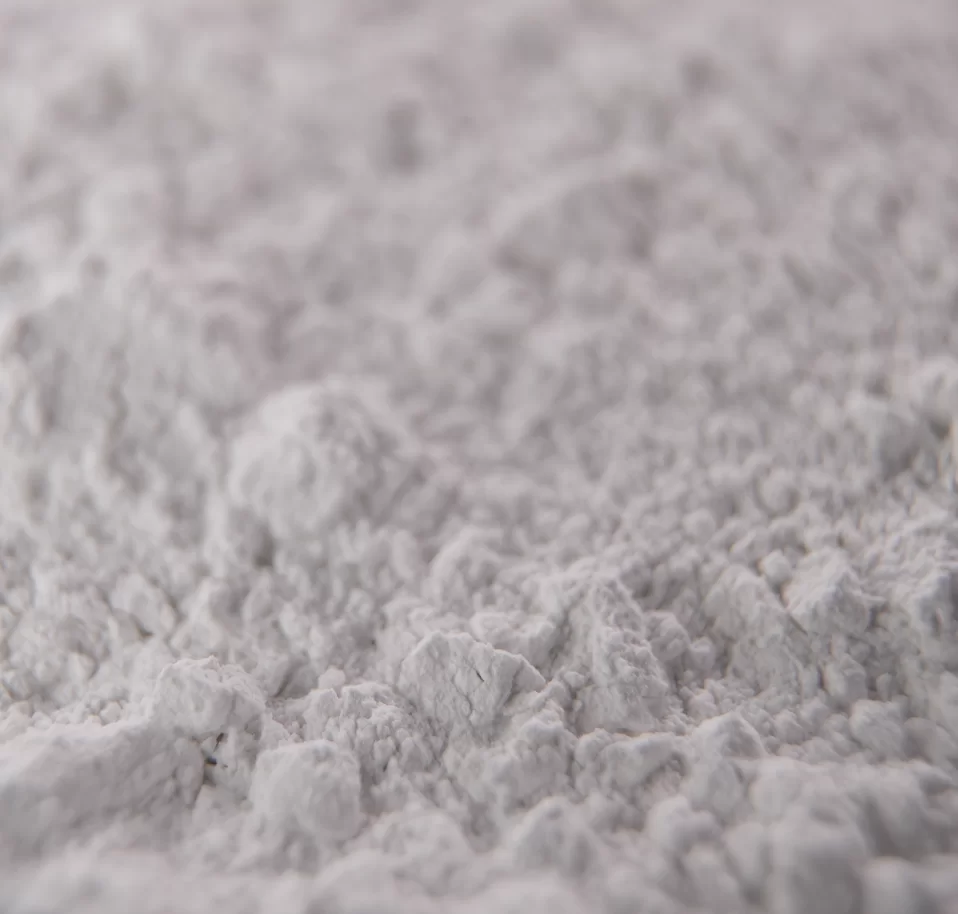
Advanced beneficiation and packing processes are enabling tighter control over color consistency, allowing architects to specify exact shades of natural colored sand and quartz sand that remain stable across large-scale installations.
We anticipate a rise in "smart" aggregates—minerals treated with functional coatings to enhance self-cleaning properties or air-purification capabilities, further expanding the utility of terrazzo in hospital and school environments.
Selecting the correct aggregate requires a systematic evaluation of the intended use case. A project planner must weigh the visual requirements against the physical stressors the floor will encounter.
For instance, a shopping mall requires a balance of high aesthetic appeal and extreme wear resistance, whereas a residential bathroom focuses more on moisture resistance and a unique, artisanal finish.
The following matrix provides a high-level comparison of different configuration profiles based on industry standards for aggregate deployment.
| Configuration Type | Primary Aggregate Size | Recommended Binder | Ideal Application |
|---|---|---|---|
| Precision Fine | 2-3mm | Epoxy Resin | Art Walls / Countertops |
| Standard Commercial | 3-5mm | Cement-Based | Schools / Hospitals |
| High-Traffic Heavy | 5-12mm | Modified Cement | Airports / Train Stations |
| Artisanal Bold | 1-3cm | Hybrid Epoxy | Luxury Residential |
| Industrial Rugged | 3-5cm | High-Strength Cement | Outdoor Plazas |
| Permeable Eco | Variable | Porous Concrete | Urban Drainage Areas |
Aggregate size influences the internal void ratio and the surface area available for the binder to grip. Finer aggregates (2-3mm) generally create a denser, more uniform matrix with higher compressive strength, making them ideal for high-wear areas. Larger aggregates provide higher impact resistance but require a higher quality binder to prevent "popping" or loosening of the stones during the polishing phase.
While most natural stones are compatible with both cement and epoxy, the choice depends on the desired finish. Cement binders are preferred for traditional, high-heat, and extremely long-life applications. Epoxy resins are better for achieving vibrant colors and seamless designs. It is critical to ensure the stones are clean and non-adhesive before mixing to ensure a strong chemical and mechanical bond.
Traditional cement terrazzo typically uses a wider range of natural stone sizes and is often paired with partition strips for design. Epoxy terrazzo allows for much greater flexibility in stone custom blends, including the addition of colored glass, shells, and luminous materials, without sacrificing the integrity of the seal. Epoxy also typically requires less grinding to achieve a high-gloss finish.
Cracking is usually a result of shrinkage or base movement. To prevent this, engineers must implement proper base treatment, use expansion joints at calculated intervals, and ensure a correct water-to-cement ratio in traditional mixes. In epoxy systems, following the primer application and curing schedule is essential to avoid delamination or surface tension cracks.
For pervious exposed aggregate, rougher natural stones with high angularity are preferred as they provide better mechanical interlocking in a porous matrix. Using a retarder during the leveling process allows the surface to be washed, exposing the aggregate while maintaining the structural voids necessary for water permeability.
Buyers should evaluate grain size consistency, mineral purity, and color stability. It is important to verify the sourcing of the minerals—such as quartz or natural colored sand—to ensure they are free from contaminants that could react with the binder. Requesting a technical sample of the 2-3mm to 3-5cm range helps in determining the final visual scale and engineering suitability.
The integration of stone custom aggregates into modern architecture is no longer just an aesthetic choice but a precise engineering decision. By aligning grain size, mineral composition, and binder chemistry, it is possible to achieve surfaces that are both artistically unique and structurally permanent.
As the industry moves toward sustainable and functional mineral solutions, the ability to customize aggregates at a granular level will remain the primary differentiator for high-performance flooring and decorative systems.



If you are interested in our products, you can choose to leave your information here, and we will be in touch with you shortly.