
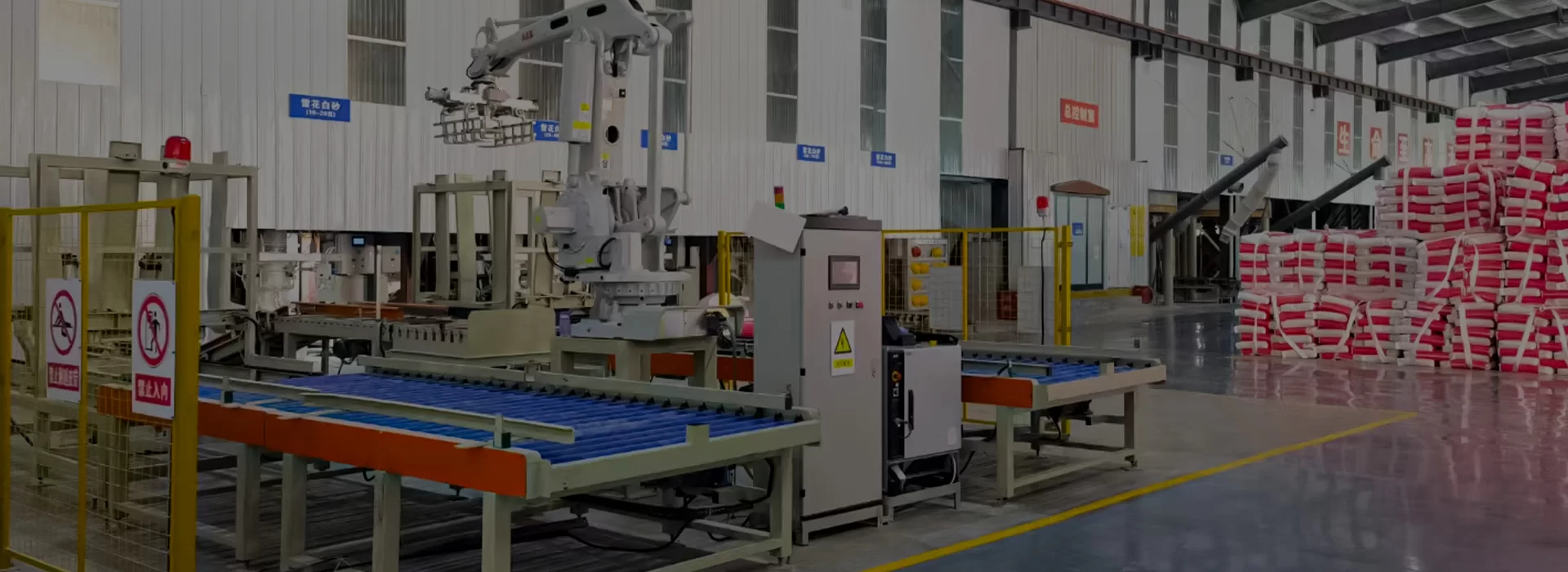
Premium Quality Materials from Reliable stone wholesale suppliers
When sourcing premium mineral aggregates for large-scale construction or decorative projects, the choice of material significantly impacts both the aesthetic longevity and structural integrity of the installation. Whether you are designing a high-traffic public space, a luxury swimming pool, or a bespoke residential interior, understanding the nuances of mineral compositions is critical. Professional procurement requires a balance between durability, slip resistance, and visual appeal, which is why many industry experts look for reliable stone wholesale suppliers to secure consistent quality.
From the versatility of ceramic and glass mosaics to the raw strength of natural quartz and pebble aggregates, the modern mineral market offers a vast array of solutions. For those seeking high-performance materials that resist radiation and high temperatures while maintaining chemical stability, selecting a partner with integrated processing, beneficiation, and laboratory testing capabilities is essential to ensure compliance with national standards and project-specific requirements.

Technical Characteristics and Material Versatility of Modern Mineral Mosaics
The evolution of decorative mineral products has shifted from simple stone particles to sophisticated composite mosaics. These materials, often composed of dozens of small pieces forming a larger cohesive unit, offer unparalleled design flexibility. The technical breakthrough in small-sized tiling allows for a level of customization that large-format tiles cannot match, making them a preferred choice for designers who prioritize exquisite detail and versatile application.
From a performance standpoint, these materials are engineered to be non-absorbent and resistant to both radiation and high temperatures. Their chemical stability ensures that colors remain vibrant even when exposed to harsh cleaning agents or environmental stressors. Furthermore, the compressive and tensile strength of these mineral-based products is strictly controlled to meet national industry standards, ensuring that they can withstand significant mechanical pressure in commercial settings.
- Thermal Stability: High resistance to temperature fluctuations, preventing cracking in extreme climates.
- Chemical Inertness: Excellent acid resistance, making them ideal for kitchens and laboratory environments.
- Moisture Protection: High moisture resistance specifically tailored for high-humidity areas like bathrooms.

Application Scenarios: Matching Mineral Properties to Environmental Needs
Selecting the right mineral product depends entirely on the operational environment. For instance, in public swimming pools and bath centers, safety is the primary concern. Mosaic tiles, due to their frequent grout lines and small surface area per piece, provide significantly better anti-slip performance than large-format tiles, reducing the risk of accidents in wet areas. This makes them an essential safety feature for any aquatic facility.
In residential and commercial interiors, such as restaurants and home kitchens, the focus shifts toward durability and maintenance. Natural stone-based mosaics offer wear resistance that far exceeds wooden floors or standard ceramic tiles. Because the raw materials are often sourced from natural mineral deposits, they provide a timeless aesthetic combined with a long service life. Additionally, the ease of maintenance—requiring only simple cleaning with soap and water—reduces long-term operational costs for facility managers.
For those pursuing eco-friendly construction, materials like shell, marble, and jade mosaics are highly recommended. These are derived from raw mineral sources and do not contain harmful substances during processing, aligning with modern environmental awareness and green building certifications.
Strategic Procurement and Supplier Evaluation Criteria
For procurement managers, the challenge lies in ensuring consistency across massive volumes of material. When vetting stone wholesale suppliers, it is crucial to look beyond the catalog and examine the production infrastructure. A supplier that integrates research, development, and quality control within a single ecosystem is more likely to deliver products that meet exact specifications.
Key evaluation factors should include the presence of modern laboratory testing equipment and a multi-layer management system. These systems ensure that every batch of gravel, pebble, or quartz sand undergoes rigorous inspection before packing and storage. Furthermore, geographical advantage plays a role; suppliers located near mineral-rich regions, such as the Taihang Mountain area, can often provide more competitive pricing and more stable resource access, reducing the risk of supply chain disruptions.
Customization capability is another critical metric. The ability to provide tailored shapes, patterns, and colors allows businesses to maintain a unique brand identity in their architectural projects. A partner who treats the relationship as a success partnership rather than a simple transaction is typically more responsive to urgent delivery schedules and specific engineering assistance.
Mineral Material Performance and Application Matrix
| Material Type | Wear Resistance | Anti-Slip Level | Recommended Application |
|---|---|---|---|
| Natural Stone Mosaic | Very High | High | Public Plazas & High-Traffic Floors |
| Quartz Sand | High | Medium | Industrial Filtration & Precision Casting |
| Glass Mosaic | Medium | Medium | Swimming Pools & Decorative Walls |
| Natural Pebble | High | Very High | Outdoor Landscaping & Bath Centers |
| Ceramic Mosaic | Medium | High | Kitchen Backsplashes & Bathrooms |
Quality Control Systems in Mineral Processing
The reliability of mineral products is determined during the beneficiation and processing stages. Scientific management of the production schedule is the only way to ensure that shipment deadlines are met without compromising the chemical stability of the product. Professional quality control teams must monitor every step—from the raw extraction of clay and sand to the final packing—to guarantee that the finished goods align with the customer's exact requirements.
Advanced production technology allows for the removal of impurities, which is particularly important for glass sand and quartz sand used in industrial applications. By employing experts in chemical and mineral processing, manufacturers can implement strict controls over the blooming temperature and water resistance of their materials. This technical rigor ensures that the products not only look aesthetically pleasing but also perform reliably under industrial stress.
Future Trends in Sustainable Mineral Sourcing
The industry is seeing a significant shift toward natural and environmentally friendly materials. There is a growing demand for "raw-source" mosaics—those made from marble, shell, and crystal—that avoid synthetic dyes and harmful chemical additives. This trend is driven by a global increase in environmental awareness and a preference for nature-inspired architecture.
Furthermore, the rise of DIY culture and personalized architecture is pushing suppliers to offer more flexible, small-batch customization options. The ability to assemble "puzzle-effect" designs allows architects to express complex creative visions while maintaining the practical benefits of stone durability. As we move forward, the integration of advanced mineral research with sustainable extraction methods will be the primary driver of growth in the non-metallic mining sector.
Frequently Asked Questions About Mineral Procurement
What makes mosaic tiles superior to large tiles for wet areas?
Mosaic tiles provide a significantly higher number of grout lines per square meter, which increases friction and improves anti-slip performance, making them much safer for bathrooms and swimming pools.
How do I verify the quality of quartz sand for industrial use?
Check for certifications and lab reports that verify the material's purity, chemical stability, and compliance with national standards for compressive and tensile strength.
Are natural stone mosaics truly environmentally friendly?
Yes, mosaics made from marble, shell, or jade are sourced from natural raw materials and typically do not involve harmful chemical processing, making them a sustainable choice.
Can these materials withstand high-temperature environments?
Many professional-grade mineral mosaics are specifically engineered to be heat resistant and radiation resistant, ensuring they do not degrade in high-temperature settings.
What should I look for in a reliable mineral aggregate partner?
Prioritize suppliers who have integrated processing and laboratory testing facilities, a proven export track record, and a multi-layer quality management system.
How difficult is the maintenance of stone-based decorative tiles?
They are remarkably easy to maintain; unlike wood or some synthetic materials, they generally only require simple cleaning with water, mild soap, and a soft cloth.
Technical References and Industry Sources
- Geological Properties of Natural Stone
- International Standards for Mineral Quality
- ASTM Technical Standards for Aggregates
- USGS Mineral Commodity Summaries
Selecting the right mineral materials is a critical decision that balances engineering requirements with aesthetic goals. By partnering with a technically capable manufacturer, you ensure that your project is built on a foundation of quality, safety, and sustainability.
Related Articles


