

Quartz sand, primarily composed of silicon dioxide (SiO2), serves as a critical raw material across diverse industrial sectors, from high-precision glass manufacturing to heavy-duty construction. Understanding the nuance between different grades of silica sand is essential for ensuring the structural integrity and chemical stability of the final product. This guide provides a technical framework for professionals looking to buy quartz sand, focusing on the intersection of material properties and industrial application.
In the B2B procurement landscape, selecting a mineral supplier involves more than comparing price points; it requires an analysis of beneficiation processes and geological consistency. For enterprises operating in construction or specialized chemical industries, the presence of impurities like iron oxide can drastically alter the aesthetic and functional performance of the material. This is particularly evident in the production of terrazzo and glass sand, where purity directly influences transparency and color accuracy.
Readers will explore the critical criteria for evaluating quartz sand, including mesh size distribution, chemical purity, and the logistical considerations of large-scale mineral sourcing. By aligning technical specifications with application needs, procurement officers can mitigate risks associated with material inconsistency and optimize the lifecycle value of their industrial inputs.
Industrial Quartz Sand Fundamentals
Quartz sand is a naturally occurring granular material formed by the weathering of quartz-rich rocks. From an industrial perspective, its value is derived from its high hardness (7 on the Mohs scale), chemical inertness, and thermal stability. These properties make it indispensable for refractory linings, hydraulic fracturing, and as a primary aggregate in advanced flooring systems. The process of extracting and refining this mineral—including washing, screening, and beneficiation—is what transforms raw geological deposits into industrial-grade products. In regions like the Taihang Mountain area, the abundance of mineral resources allows for the integration of modern processing technologies to ensure that the silica content remains consistently high while reducing contaminants. The ability to control the morphological characteristics, such as whether the grains are rounded or angular, further determines the material's suitability for specific bonding agents in cement or epoxy-based systems.
Strategic Procurement and Material Selection
Procuring industrial minerals requires a systematic approach to quality assurance. The following dimensions analyze the technical and commercial factors that influence the selection of a quartz sand supplier and the specific grade of material required for industrial output.
Chemical Composition and Purity
The primary metric for quartz sand quality is the percentage of SiO2. High-purity silica is required for glass and electronics, whereas construction-grade sand may allow for higher concentrations of alumina or iron. Excess iron oxide (Fe2O3) can cause discoloration in light-colored terrazzo or glass. Hebei Quanerduo Mining Development employs laboratory testing equipment to monitor these levels, ensuring that the chemical profile matches the client's specific operational requirements.
| Purity Grade | Key Characteristic | Primary Risk | Typical Application |
|---|---|---|---|
| Ultra-High Purity | >99.5% SiO2 | Trace metal contamination | Optical Glass / Solar Panels |
| Industrial Grade | 98% - 99% SiO2 | Iron oxide discoloration | Foundry / Refractories |
| Construction Grade | >95% SiO2 | Organic impurities | Concrete / Terrazzo |
| Glass Sand | Low Fe2O3 content | Color variance | Bottle & Sheet Glass |
| Natural Color Sand | Mineral-based hues | Consistency across batches | Architectural Flooring |
| Fine Quartz Powder | Micronized particles | Aggregation/Clumping | Chemical Fillers |
Granulometry and Particle Size
Particle size distribution (PSD) is critical for the mechanical properties of the end product. Whether the requirement is for 2-3mm crushed stone for terrazzo or ultra-fine powder for fillers, consistency is key. Variations in grain size can lead to uneven settling in concrete or "orange peel" textures in polished surfaces. Suppliers must provide a detailed sieve analysis to guarantee that the material falls within the specified mesh range, ensuring uniform bonding and structural density.
Application-Specific Requirements
The choice of sand depends heavily on the binder used. In traditional cement-based terrazzo, a rougher surface is often preferred for better mechanical interlocking. Conversely, epoxy resin terrazzo requires high-purity, well-graded quartz to maintain clarity and prevent chemical reactions between the resin and mineral impurities. Understanding the interaction between the aggregate and the matrix is essential for long-term durability and wear resistance in high-traffic areas like airports or hospitals.
Quality Control Standards
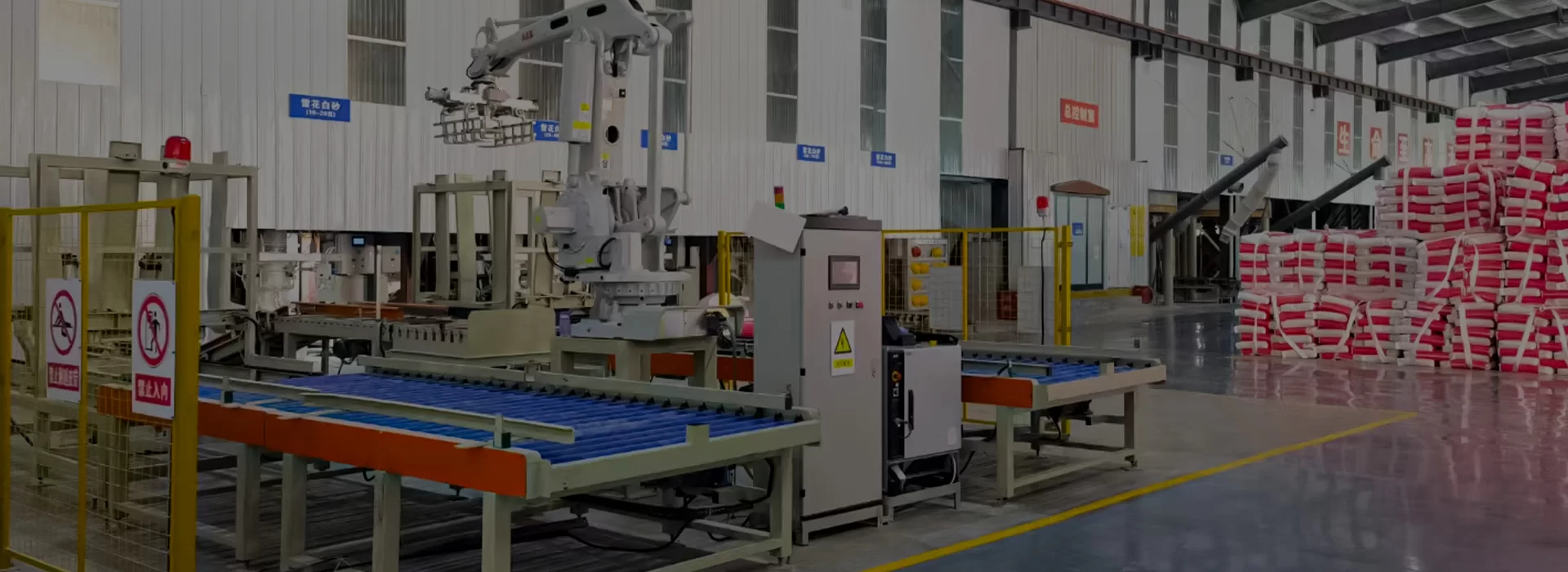
A reliable supplier must implement a multi-layer management system. This includes raw material inspection at the foot of the mountain, in-process monitoring during beneficiation, and final batch testing before packing. Certifications and laboratory verification ensure that the physical properties—such as hardness and abrasion resistance—meet international standards, reducing the risk of project failure due to substandard material inputs.
Supply Chain Reliability
For large-scale projects, lead time and shipping consistency are as important as material quality. The location of the factory relative to transportation hubs (such as Shijiazhuang City) determines the efficiency of delivery. Procurement officers should evaluate the supplier's export license and their experience in international logistics to ensure that bulk shipments to regions like Southeast Asia or the Middle East arrive without significant delays or degradation.
Customization Capabilities
Standard catalog products may not always meet specialized engineering needs. The ability to customize color, aggregate size, and purity levels allows architects and engineers to create unique textures. Whether it is integrating metal sheets into terrazzo or specifying a precise micron size for industrial filtration, a supplier with an integrated processing and laboratory setup can offer tailored solutions that enhance the final product's aesthetic and functional value.
Environmental and Logistics Impact
The environmental footprint of mineral extraction is an increasing concern for B2B buyers. Utilizing local geographical advantages and advanced production technology helps in reducing the carbon footprint associated with long-distance raw material transport. Additionally, optimized packing and storage workshops prevent material waste and contamination during the loading process, ensuring that the delivered volume matches the ordered specifications exactly.
FAQ
What is the difference between quartz sand and regular silica sand?
While the terms are often used interchangeably, "quartz sand" typically refers to sand where the primary constituent is the mineral quartz. "Silica sand" is a broader term for any sand primarily composed of silicon dioxide. In industrial procurement, quartz sand usually implies a higher level of purity and specific grain shapes suited for high-performance applications like glassmaking or precision casting.
How do I determine the correct grain size for terrazzo flooring?
The grain size depends on the desired aesthetic and the application method. For a classic polished look, a mix of 2-3mm and 3-5mm aggregates is common. For more decorative, coarse textures, sizes up to 1-2cm may be used. It is critical to ensure the aggregate is well-graded to minimize voids in the cement or epoxy matrix, which prevents cracking and improves wear resistance.
Why is iron content a concern when sourcing quartz sand?
Iron oxide (Fe2O3) acts as a contaminant that can cause yellowish or greenish tints in glass and light-colored aggregates. For high-end architectural projects or optical glass production, iron levels must be kept extremely low. This is why beneficiation and washing processes are essential to remove surface coatings of iron from the quartz grains.
What certifications should I look for in a mineral supplier?
Buyers should seek suppliers who are "Qualified & Certified Factories" with an export license. More importantly, request a Certificate of Analysis (CoA) for each batch. This document should detail the SiO2 percentage, iron content, and the sieve analysis results, ensuring the material meets the specific engineering standards of your project.
Can quartz sand be customized for specific industrial uses?
Yes, professional mining companies can customize quartz sand in terms of color, particle size (from microns to centimeters), and purity. For example, for pervious exposed aggregate systems, the sand is processed to maintain a specific rough surface and loose structure to allow water permeability while maintaining structural strength.
How is the delivery of bulk quartz sand typically managed internationally?
Bulk minerals are usually transported via sea freight in jumbo bags or bulk carriers. Suppliers with experience in exporting to multiple countries (such as South Korea, Vietnam, or Norway) are better equipped to handle the necessary customs documentation and packaging requirements to prevent moisture ingress or contamination during transit.
References and further reading
- Industrial Minerals Specifications for Construction Aggregates - Technical Standards.
- Geological Survey of Mineral Deposits in the Taihang Mountain Region.
- Comparative Analysis of Epoxy vs. Cementitious Terrazzo Binders.