

Quartz sand serves as a fundamental raw material across diverse industrial sectors, from high-end construction and decorative coatings to precision glass manufacturing. The quality of this mineral determines the structural integrity, transparency, and aesthetic finish of the final product. Selecting the right material requires a deep understanding of chemical purity and physical grading to ensure compatibility with specific industrial applications.
For procurement officers and engineers, the challenge lies in balancing technical specifications with supply chain reliability. In the context of B2B sourcing, quartz sand suppliers must provide documented evidence of mineral composition and consistent grain sizing to mitigate risks during large-scale production. This involves evaluating the silicon dioxide content and the presence of trace coloring agents like iron oxide.
This guide provides a technical framework for evaluating mineral sand quality, analyzing the impact of particle distribution on application performance, and establishing a professional procurement strategy. Readers will gain insights into the critical metrics that define high-grade quartz sand and how to align these specifications with their operational requirements.
Industrial Significance of High-Purity Quartz Sand
The utility of quartz sand is primarily derived from its chemical stability and mechanical strength. As a crystalline form of silicon dioxide (SiO2), quartz is highly resistant to chemical weathering and thermal expansion, making it indispensable for terrazzo aggregates, epoxy flooring, and protective coatings. In the construction industry, the ability of these minerals to provide a hard, non-toxic, and waterproof surface is critical for both interior and exterior wall applications. Beyond structural uses, the optical properties of high-purity quartz are essential for glass production, where minimal impurities are required to prevent discoloration. The integration of modern beneficiation techniques allows for the precise removal of contaminants, ensuring that the mineral meets stringent international standards for industrial use. This technical foundation enables the creation of products that are not only durable but also aesthetically versatile, supporting a wide range of architectural and engineering projects worldwide.
Strategic Sourcing and Material Selection
Procuring industrial minerals requires a transition from simple commodity buying to a specification-driven approach. The following analysis breaks down the primary technical dimensions that influence material performance and supplier evaluation.
Material Composition and SiO2 Levels
The core value of quartz sand is defined by its Silicon Dioxide (SiO2) percentage. High-grade materials typically contain 60% to 80% SiO2, which directly influences the wear resistance and transparency of the final product. Trace elements, such as iron oxide (Fe2O3), act as natural coloring agents, producing the red and yellow tones found in natural colored sands. Understanding this chemical balance is essential for ensuring the material behaves predictably during the curing or melting process.
| Component | Typical Range | Primary Function | Impact of Deficiency |
|---|---|---|---|
| Silicon Dioxide (SiO2) | 60% - 80% | Structural Strength | Reduced Hardness |
| Iron Oxide (Fe2O3) | Variable | Natural Coloration | Color Inconsistency |
| Mica | Low % | Surface Gloss | Dull Finish |
| Aluminum Oxide | Trace | Chemical Stability | Thermal Sensitivity |
| Moisture Content | <0.5% | Adhesion Quality | Void Formation |
| Impurity Level | Low | Purity/Clarity | Contamination |
Particle Size Distribution Analysis
Grain size is not a single number but a distribution. For applications like textured paint or epoxy flooring, a range such as 0.15-3.0mm is common. Precision grading (e.g., 10-20 mesh or 80-120 mesh) ensures uniform coverage and prevents the segregation of particles during application. A narrow distribution leads to a smoother finish and more predictable oil absorption, which is critical for maintaining the viscosity of resins and binders.
Mohs Hardness and Wear Resistance
Industrial quartz sand typically maintains a Mohs hardness of ≥5. This level of hardness ensures that surfaces paved with these minerals remain resistant to abrasion and mechanical wear. In high-traffic areas, such as industrial warehouses or public roads, the hardness of the quartz grain prevents the "polishing" effect, thereby maintaining slip resistance and extending the lifecycle of the flooring system.
Color Consistency in Mineral Sands
For architectural projects, color uniformity across batches is a primary quality metric. Natural sands are available in black, red, yellow, white, green, gray, and blue series. Achieving consistency requires a supplier with sophisticated screening and sorting capabilities. Buyers should request color samples and batch-test reports to ensure that the mineral's natural hue aligns with the project's design specifications.
Chemical Purity Requirements
Chemical purity affects the bonding strength between the sand and the binder. For instance, high oil absorption (exceeding 15g/100g) can lead to the depletion of resins in epoxy systems, resulting in a brittle surface. Testing for soluble salts and organic contaminants is necessary to prevent efflorescence in cement-based products and to ensure the longevity of the adhesive bond.
Processing and Beneficiation Standards
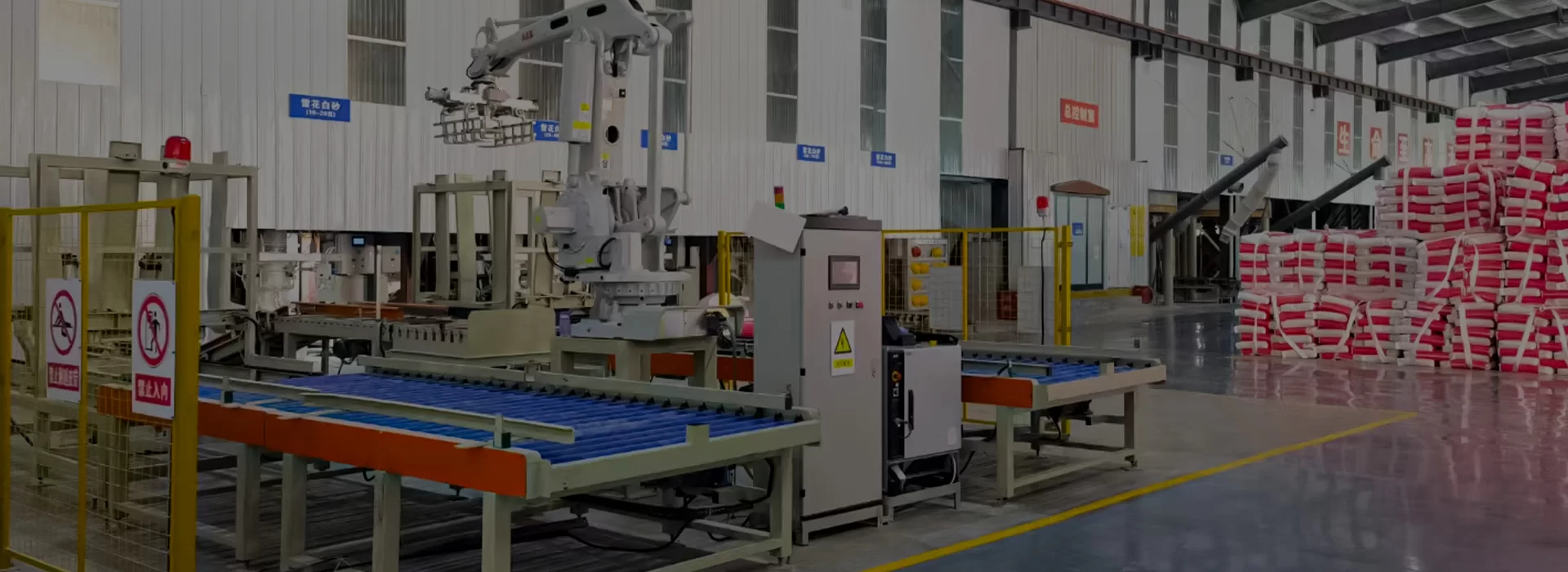
The transition from raw ore to industrial-grade sand involves grinding, screening, and grading. Hebei Quanerduo Mining Development utilizes specialized workshops for processing and beneficiation to ensure the removal of unwanted minerals. The use of laboratory testing equipment allows for the verification of bulk density (typically 0.8-1.5 g/cm³) and particle shape, which influences the packing density of the final application.
Supply Chain Logistics for Minerals
Due to the weight and volume of mineral products, logistics are a significant cost driver. Proximity to resource-rich areas, such as the Taihang Mountain region, provides a strategic advantage in reducing lead times and transportation costs. For international procurement, buyers must evaluate the supplier's export licenses and their experience in shipping to diverse regions, ensuring that packaging prevents contamination and moisture ingress during transit.
FAQ
What is the difference between natural colored sand and pure quartz sand?
Pure quartz sand consists primarily of silicon dioxide and is used where clarity and chemical inertness are paramount. Natural colored sand is derived from ores containing quartz, feldspar, or mica, with iron oxides providing natural hues. While both share similar hardness and durability, colored sands are specifically chosen for aesthetic and decorative applications like terrazzo and textured paints.
How does particle size affect the application of epoxy flooring?
Particle size determines the texture and durability of the floor. Coarser grains provide higher slip resistance and greater wear protection but may require more resin. Finer grains result in a smoother finish and are often used as base layers. A consistent particle size distribution is critical to prevent "pooling" of resin and to ensure an even wear pattern across the surface.
What specifications should I check when evaluating a mineral sand supplier?
Buyers should request a Technical Data Sheet (TDS) focusing on: 1. SiO2 percentage for purity. 2. Particle size distribution (mesh size). 3. Mohs hardness for abrasion resistance. 4. Bulk density and oil absorption rates. 5. Color consistency reports. Additionally, verifying the supplier's production capacity and quality control certifications ensures long-term supply stability.
Can the grain size of quartz sand be customized for specific projects?
Yes, professional mining enterprises utilize advanced screening and grading equipment to provide customizable particle size distributions. Whether the project requires a fine powder for coatings or coarse aggregates for road surfaces, the grading can be adjusted (e.g., within the 0.15-3.0mm range) to meet specific engineering requirements.
What are the common risks associated with low-quality quartz sand?
Low-quality sand often contains high levels of impurities or inconsistent grain sizes. This can lead to poor adhesion with binders, resulting in cracking or peeling. In glass manufacturing, impurities cause discoloration. In decorative coatings, inconsistent color batches can ruin the visual uniformity of a building facade, leading to costly rework.
How is the hardness of quartz sand measured in industrial settings?
Hardness is typically measured using the Mohs scale, which ranks minerals from 1 to 10 based on their ability to scratch one another. Industrial quartz typically scores ≥5. This is verified in laboratories using standardized hardness testers to ensure the material can withstand the mechanical stresses of its intended application.
References and further reading
- International Standards for Industrial Mineral Grading and SiO2 Purity Analysis.
- Guidelines for the Application of Quartz Aggregates in Epoxy and Polymer Flooring Systems.
- Technical Manual on the Beneficiation of Natural Colored Sands for Architectural Use.