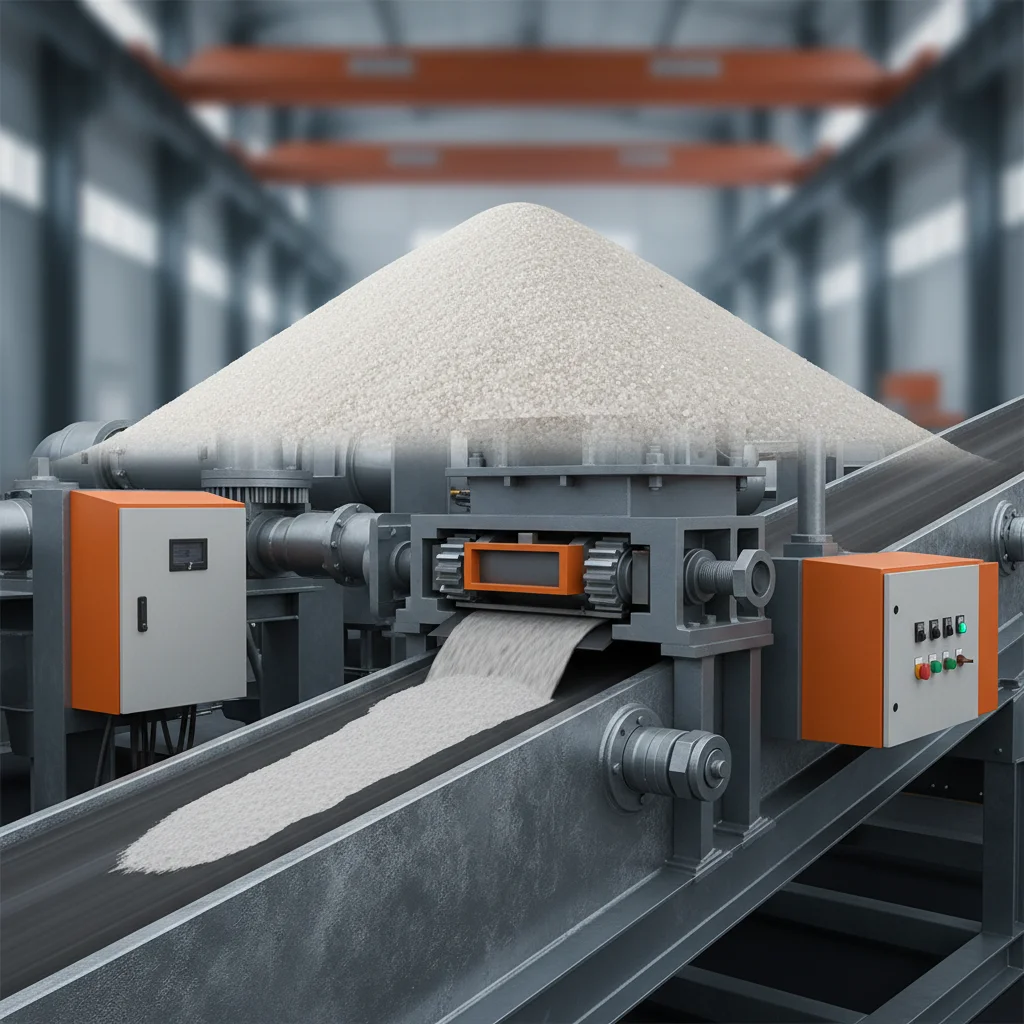
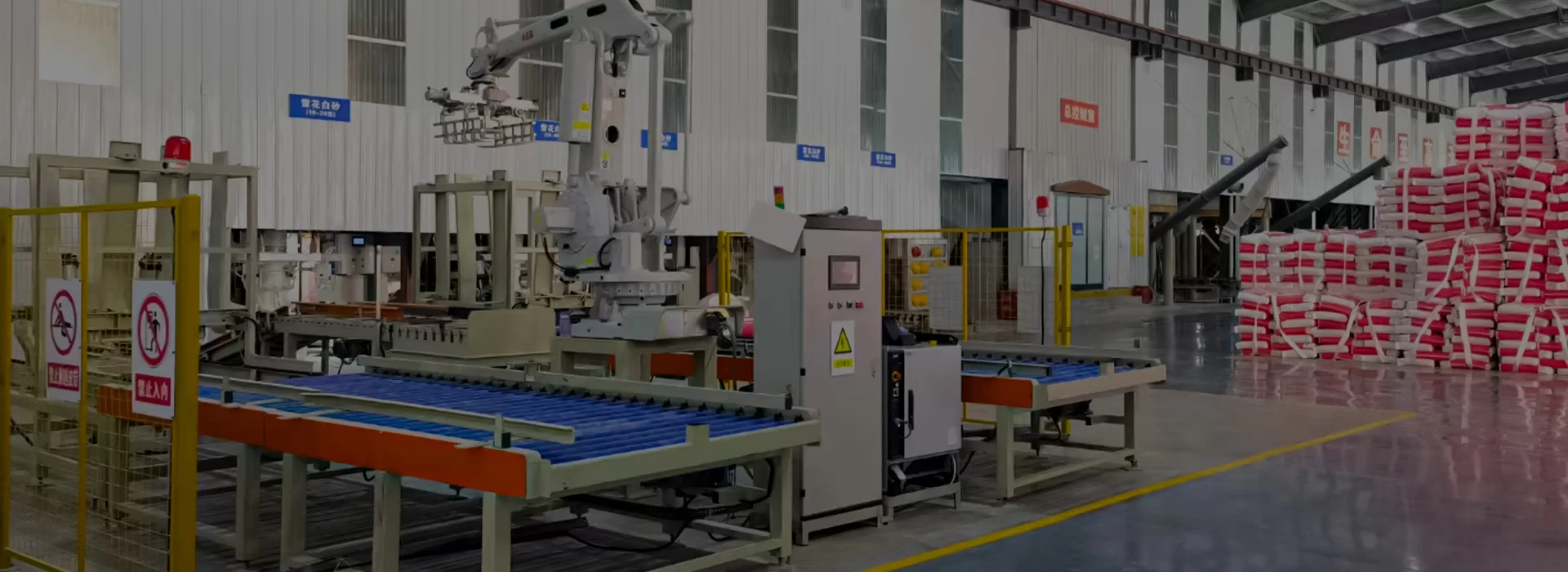
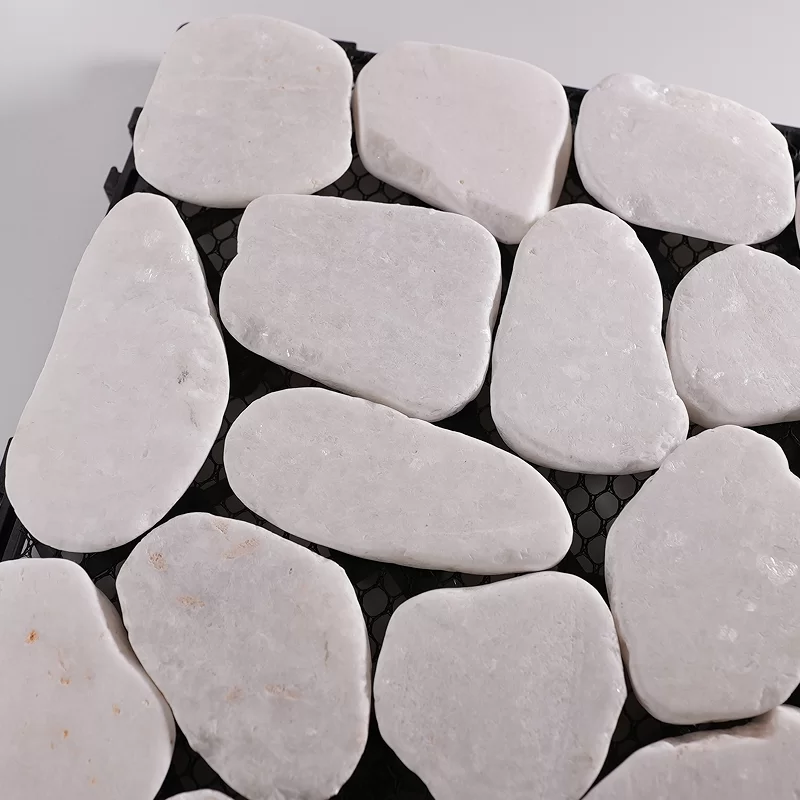
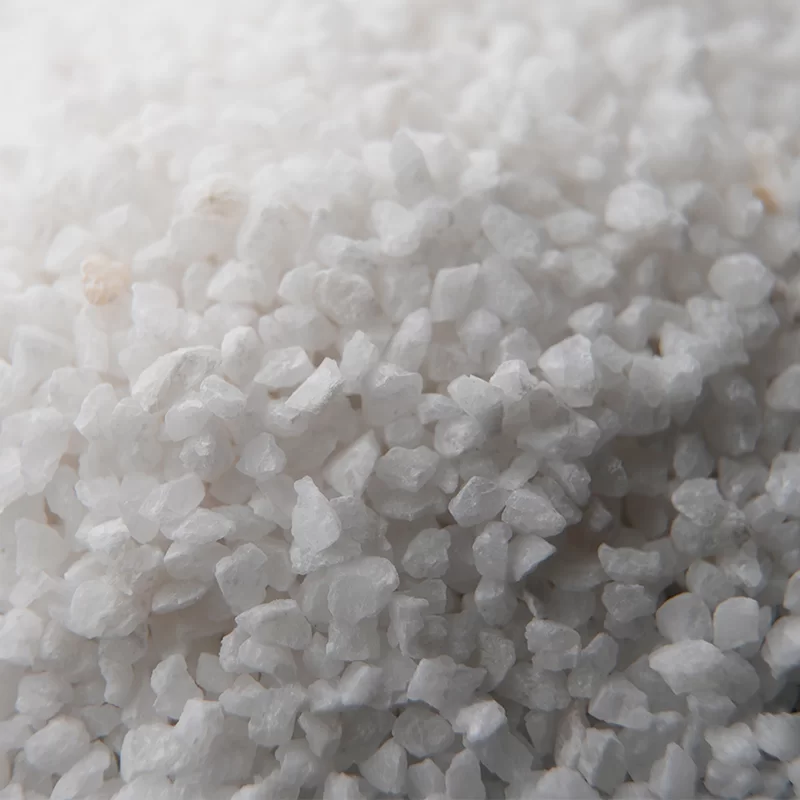
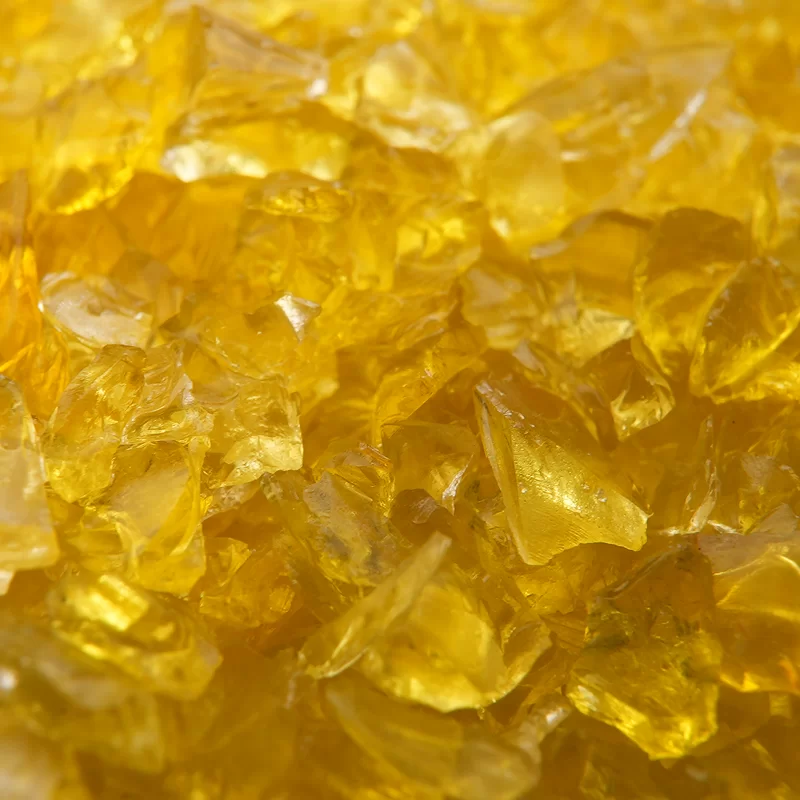
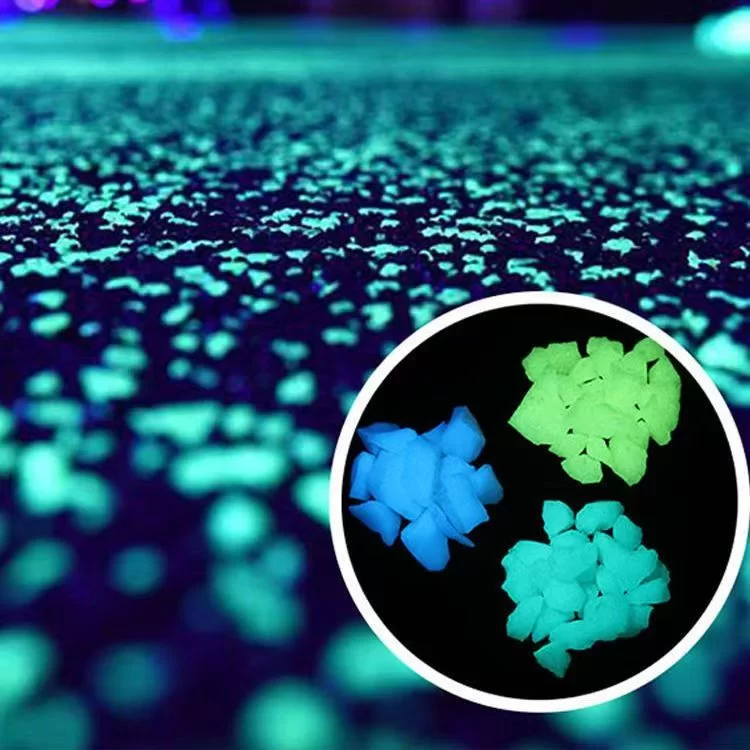
White quartz sand, a naturally occurring siliceous material, is becoming increasingly vital across numerous industries globally. Its unique properties – high purity, chemical inertness, and consistent particle size – make it an essential component in everything from glass manufacturing and foundry casting to water filtration and the burgeoning field of renewable energy. Understanding its sourcing, processing, and diverse applications is crucial for businesses and researchers alike, impacting supply chains and technological advancements worldwide.
The demand for high-quality white quartz sand is surging, driven by rapid industrialization in emerging economies and a growing focus on sustainable materials. However, responsible sourcing and environmental impact are key concerns. Global supply chains are facing challenges related to extraction practices and logistical hurdles, highlighting the need for innovation in processing and the development of alternative materials. This necessitates a comprehensive understanding of current market dynamics and future trends.
Ultimately, the effective utilization of white quartz sand contributes significantly to economic growth, technological progress, and environmental responsibility, making it a critical resource for the 21st century.
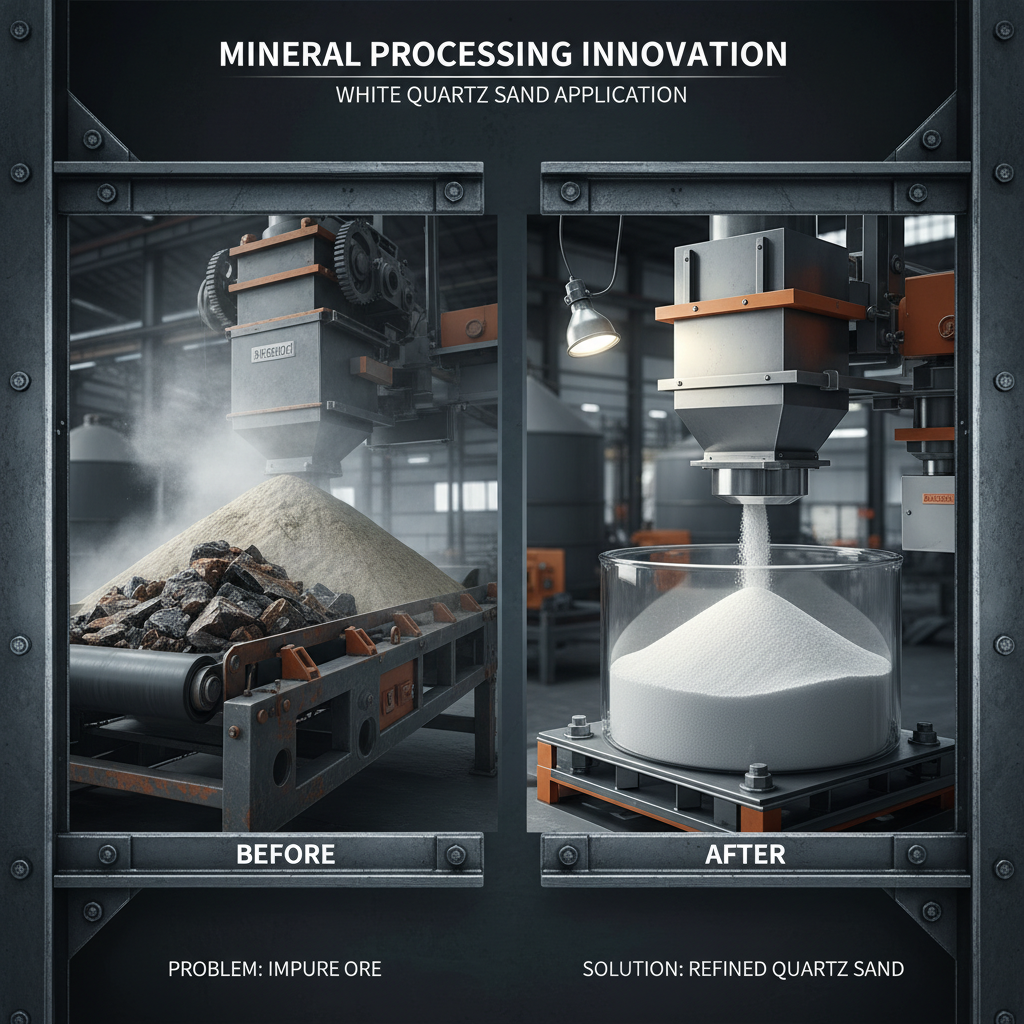
White quartz sand’s significance extends far beyond its aesthetic appeal. Its unique crystalline structure and exceptional hardness lend it properties that are invaluable in various industrial processes. From creating the glass in our windows and smartphones to providing the abrasive power for sandblasting and the foundational material for ceramics, this versatile mineral underpins numerous aspects of modern life.
The increasing demand for this material necessitates a deeper understanding of its geological origins, extraction methods, and the sustainable practices needed to ensure its long-term availability. Responsible sourcing and efficient processing are vital to mitigate environmental impacts and meet the growing needs of a globalized world.
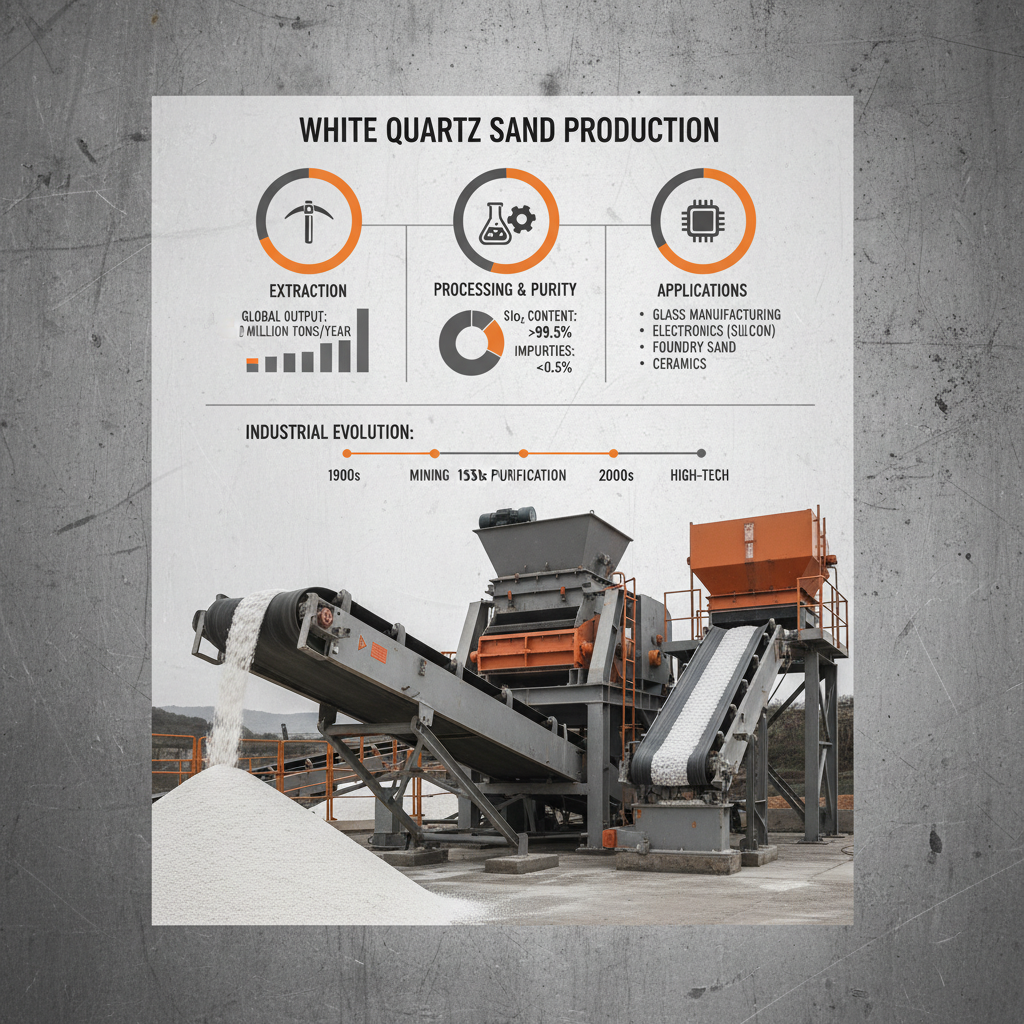
White quartz sand is a granular material composed primarily of silica (silicon dioxide, SiO2), in the form of quartz crystals. Its distinctive white color results from a high degree of purity and the absence of significant impurities like iron oxides. The size of the grains typically ranges from 0.063 to 2 millimeters, classifying it as sand. This specific grain size distribution is critical for many of its applications.
The connection to modern industry is undeniable. white quartz sand serves as a crucial raw material for a diverse range of products, acting as a building block for technological advancements and essential infrastructure. Its chemical inertness ensures stability in demanding environments, and its abundance makes it a relatively cost-effective solution for many manufacturing processes.
In essence, white quartz sand represents a fundamental component of our industrialized world, often unseen but always present in the products we rely on daily.
Several key properties define the quality and suitability of white quartz sand for different applications. Chief among these is its high silica content, generally exceeding 99%, ensuring chemical purity. This purity directly impacts its performance in applications like glassmaking where unwanted contaminants can significantly compromise the final product's clarity and strength.
Another crucial attribute is its hardness, measuring 7 on the Mohs scale. This makes it an excellent abrasive material, ideal for applications such as sandblasting, precision cutting, and polishing. Furthermore, its consistent particle size distribution allows for predictable behavior in mixtures and ensures uniform performance in various processes.
Its chemical inertness and resistance to weathering contribute to its durability and long-term stability. This characteristic is particularly valuable in applications requiring exposure to harsh environmental conditions or aggressive chemical substances, ensuring the longevity and reliability of the final products.
The versatility of white quartz sand leads to its widespread application across a multitude of industries. The glass manufacturing industry is arguably the largest consumer, utilizing it as the primary raw material for producing everything from container glass and flat glass to specialty glass for optical applications.
Foundry casting relies heavily on white quartz sand to create molds for metal parts, benefiting from its high thermal stability and resistance to deformation. The construction industry utilizes it in concrete production, improving strength and durability. Furthermore, it's vital in water filtration systems, where its granular structure effectively removes impurities.
Geographically, significant demand originates from Asia-Pacific, driven by rapid industrial growth in China and India. North America and Europe maintain steady consumption for established industries, while emerging markets in Africa and South America demonstrate increasing demand as their economies develop.
The primary advantage of utilizing white quartz sand lies in its cost-effectiveness. Compared to alternative materials with similar properties, it offers a commercially viable solution for a wide range of applications. This affordability contributes to lower production costs and increased profitability for businesses.
From a sustainability perspective, quartz is an abundant natural resource, minimizing supply chain concerns when sourced responsibly. Its durability and chemical inertness translate into products with extended lifecycles, reducing the need for frequent replacements and minimizing waste. Moreover, ongoing research is exploring ways to further reduce the environmental impact of its extraction and processing.
The future of white quartz sand is intertwined with advancements in materials science and sustainable technologies. Ongoing research focuses on improving extraction techniques to minimize environmental disruption and reduce water consumption. Efforts are also underway to develop more efficient processing methods that yield higher purity and consistent particle size.
Nanotechnology is exploring the potential of modifying quartz sand at the nanoscale to enhance its properties for specialized applications, such as advanced filtration systems and high-performance composites. Furthermore, the integration of digital technologies, like AI-powered sorting and quality control systems, promises to optimize production processes and ensure consistently high-quality products.
A key challenge lies in the environmental impact of silica mining, which can lead to habitat destruction and water contamination if not managed responsibly. Dust control during extraction and processing is also a significant concern for worker health and safety. Sustainable sourcing practices and strict environmental regulations are crucial to mitigate these risks.
Innovative solutions include closed-loop water recycling systems, the rehabilitation of mining sites, and the development of alternative materials sourced from recycled glass or industrial byproducts. Investing in research and development of more efficient and environmentally friendly extraction technologies is paramount.
Furthermore, promoting transparency and traceability throughout the supply chain can help ensure responsible sourcing and ethical production of white quartz sand.
| Challenge Area | Impact Level (1-10) | Proposed Solution | Implementation Cost (USD) |
|---|---|---|---|
| Habitat Disruption | 8 | Mine Site Rehabilitation & Biodiversity Offsets | 50,000 - 200,000 |
| Water Contamination | 7 | Closed-Loop Water Recycling Systems | 100,000 - 500,000 |
| Dust Emissions | 9 | Advanced Dust Suppression Technologies | 20,000 - 100,000 |
| Supply Chain Transparency | 6 | Blockchain-Based Traceability System | 30,000 - 150,000 |
| Waste Generation | 5 | Utilization of Waste Quartz in Construction Materials | 10,000 - 50,000 |
| Energy Consumption | 4 | Investment in Renewable Energy Sources for Processing | 75,000 - 300,000 |
White quartz sand is the fundamental ingredient in most glass production. Its high silica content, purity, and consistent grain size are crucial for achieving the clarity, strength, and chemical resistance required for various glass types, including container glass, flat glass for windows, and specialty glass for optical lenses. The specific grade and processing of the sand determine the properties of the final glass product.
The particle size distribution is critical in foundry casting. A carefully controlled distribution allows the sand to pack tightly, creating a stable mold that can withstand the high temperatures and pressures of molten metal. Too coarse a grain can result in a rough surface finish, while too fine a grain can hinder proper venting and cause defects in the casting. Precise control ensures accurate replication of the desired part.
The major concerns include habitat destruction, water contamination from runoff, and dust emissions during extraction and processing. Mitigation strategies include comprehensive mine site rehabilitation plans, implementing closed-loop water recycling systems, utilizing advanced dust suppression technologies, and adhering to stringent environmental regulations. Responsible sourcing and minimizing the environmental footprint are paramount.
While quartz itself is abundant, the rate of natural replenishment is extremely slow compared to the rate of consumption. Therefore, it's not considered a truly renewable resource. However, sustainable mining practices, recycling of glass, and exploring alternative materials can help extend the availability of usable silica resources and minimize environmental impact.
High purity is essential for water filtration because impurities can leach into the water and compromise its quality. White quartz sand's chemical inertness and low reactivity ensure that it effectively removes suspended solids and turbidity without introducing harmful contaminants. The consistent grain size also provides a uniform filtration rate.
Emerging applications include its use in advanced ceramics, the production of high-performance composites, and as a proppant in hydraulic fracturing. Nanotechnology is also exploring its potential in creating specialized coatings and materials with enhanced properties. Furthermore, research is investigating its role in energy storage solutions and advanced filtration systems.
In conclusion, white quartz sand remains a cornerstone of numerous industries, providing essential raw materials for glassmaking, construction, filtration, and increasingly, advanced technological applications. Its unique properties—purity, hardness, and chemical inertness—make it an indispensable component in the modern world. Understanding its sourcing, processing, and sustainable use is crucial for ensuring its long-term availability and minimizing environmental impact.
Looking ahead, continued innovation in extraction and processing techniques, coupled with a commitment to responsible sourcing, will be vital to meet the growing global demand for white quartz sand. Embracing sustainable practices and exploring alternative materials will not only protect the environment but also foster resilience and ensure a stable supply for future generations. Visit our website at www.cnfloormaterials.com to learn more about our high-quality white quartz sand products and sustainable solutions.

If you are interested in our products, you can choose to leave your information here, and we will be in touch with you shortly.