0%

Table of Contents

Perlite roof insulation is rapidly gaining recognition as a cost-effective and sustainable building material worldwide. Its lightweight nature, coupled with excellent thermal properties, makes it an ideal solution for a wide range of roofing applications, from residential homes to large-scale commercial buildings. Understanding the benefits and applications of perlite roof insulation is crucial in addressing global challenges related to energy efficiency and environmentally conscious construction.

The global construction industry is under increasing pressure to reduce its carbon footprint and adopt more sustainable practices. Traditional insulation materials often have significant environmental impacts, both in their production and disposal. Perlite, a naturally occurring volcanic glass, offers a viable alternative. Its expansion process requires relatively low energy, and the resulting material is entirely recyclable, offering a path towards greener building solutions.

As populations grow and energy demands increase, the need for efficient insulation solutions becomes paramount. Perlite roof insulation not only contributes to energy savings but also enhances building comfort and fire resistance. The ability to significantly reduce heating and cooling costs, coupled with its inherent safety features, positions perlite as a key component in modern, responsible construction practices.
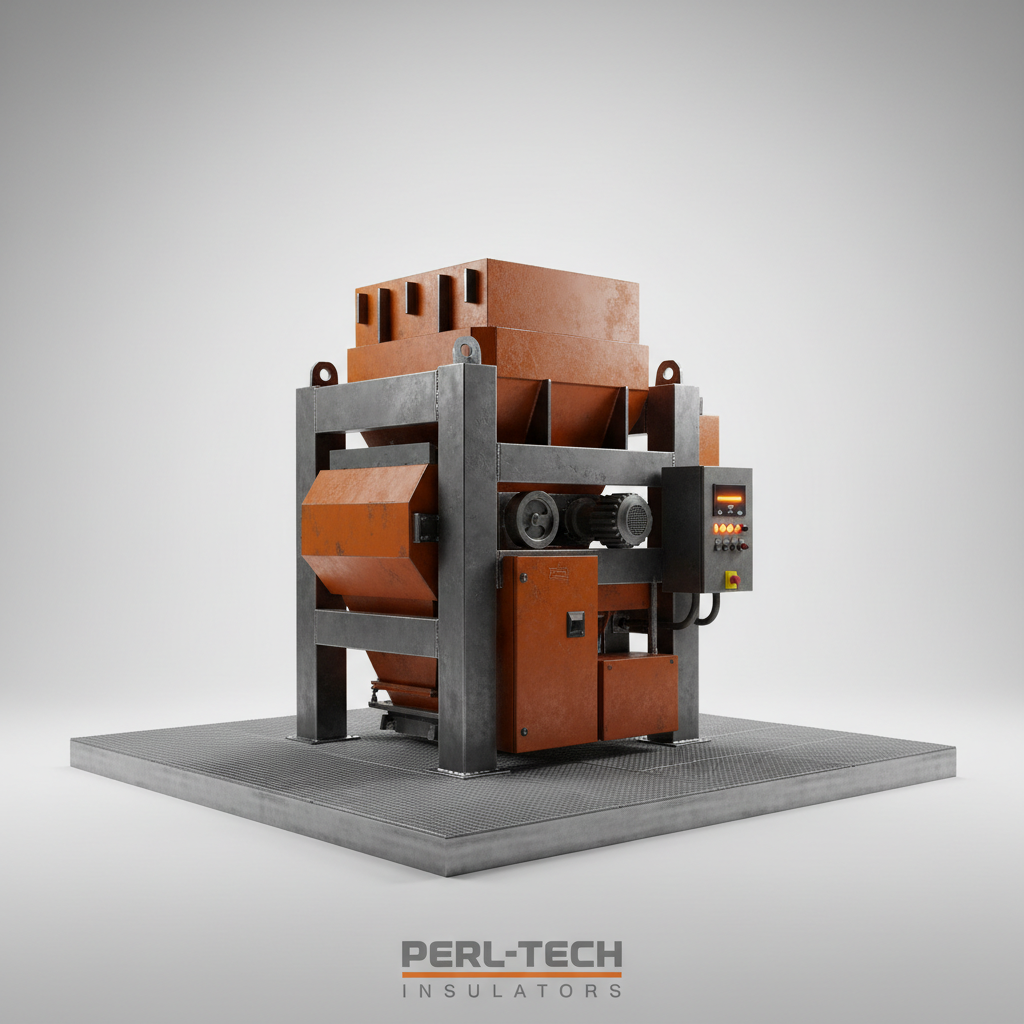
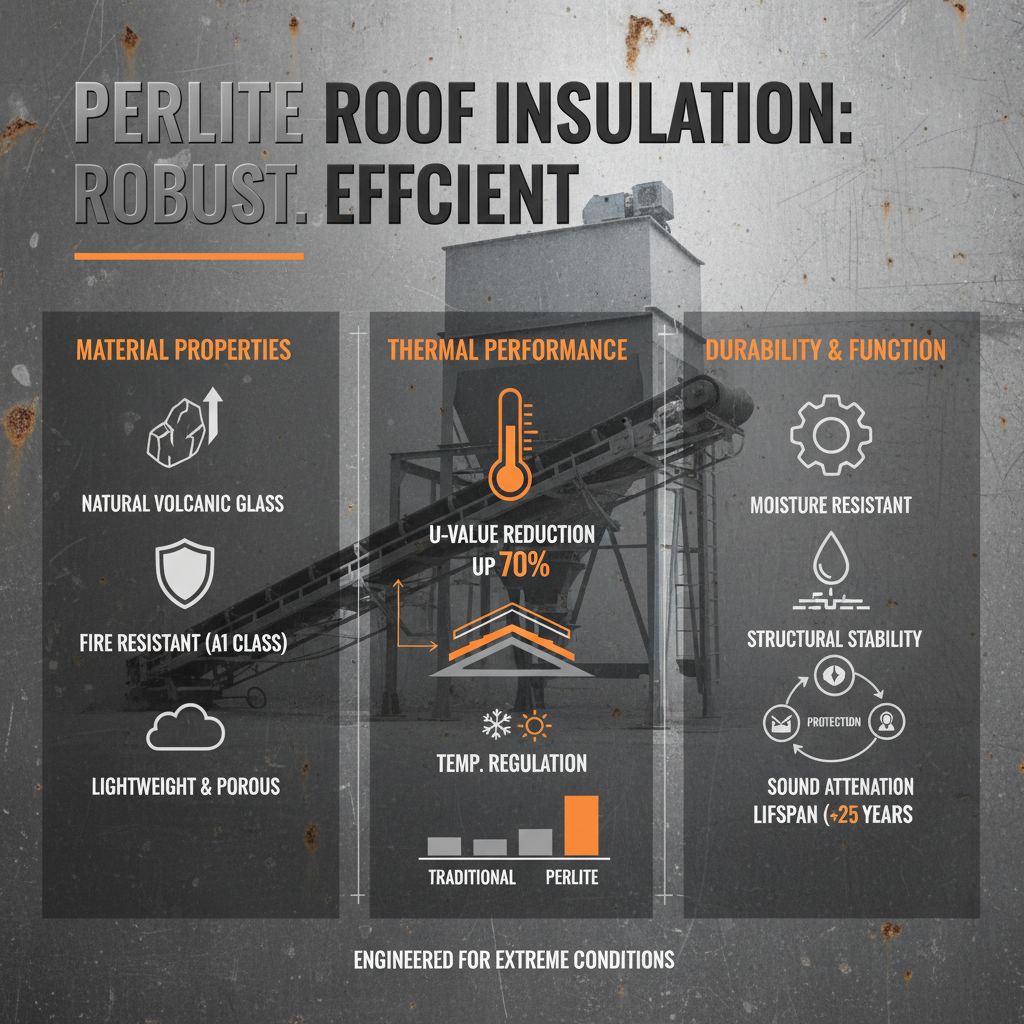
perlite roof insulation

Introduction to Perlite Roof Insulation

perlite roof insulation

Perlite roof insulation represents a significant advancement in sustainable building materials. Its exceptional thermal resistance stems from the unique structure created when perlite is heated, causing it to expand into a lightweight, porous aggregate. This expanded perlite then becomes a highly effective insulator, reducing heat transfer through the roof and contributing to substantial energy savings.

The application of perlite roof insulation extends beyond mere energy efficiency; it also addresses crucial safety concerns. Perlite is non-combustible and offers excellent fire resistance, providing an additional layer of protection for buildings and their occupants. This combination of performance characteristics makes perlite an increasingly popular choice for both new construction and renovation projects.

Defining Perlite Roof Insulation

Perlite roof insulation is created by expanding naturally occurring volcanic glass, known as perlite. This expansion process involves heating the raw perlite ore to high temperatures, causing it to puff up into a lightweight, cellular material. The resulting product is a highly effective thermal insulator, possessing excellent fire resistance and acoustic properties.

The final form of perlite roof insulation can vary, including loose-fill, pre-expanded boards, or incorporated into spray-applied applications. This versatility allows it to be adapted to diverse roofing systems and building designs.

Perlite roof insulation isn’t simply a construction material; it's a component of a broader movement toward sustainable building practices. It addresses the need for eco-friendly alternatives to traditional insulation, reducing environmental impact and promoting resource conservation.

Key Characteristics of Perlite Roof Insulation

Durability is a defining characteristic of perlite roof insulation. Once installed, it maintains its structural integrity and insulation value for decades, resisting settling, decomposition, and pest infestation. This longevity translates to long-term cost savings and reduced maintenance requirements.

Lightweight properties are another critical advantage. Perlite's low density minimizes the load on the roof structure, reducing the need for extensive reinforcement and simplifying installation. This is particularly beneficial in retrofit projects where structural limitations may exist.

Fire resistance is inherent to perlite's volcanic origin. It’s naturally non-combustible and doesn't contribute to the spread of flames, enhancing building safety and potentially lowering insurance premiums.

Excellent thermal performance results from the air trapped within the expanded perlite granules. This minimizes heat transfer, reducing energy consumption for heating and cooling.

Perlite Roof Insulation: Performance Metrics

Understanding the performance metrics of perlite roof insulation is essential for making informed decisions during building design and construction. Thermal conductivity, or R-value, is a primary indicator of its insulating capability. Perlite typically achieves R-values ranging from R-2.8 to R-3.7 per inch, depending on density and application.

Fire resistance is another crucial metric. Perlite is classified as non-combustible, meeting stringent fire safety standards. Its ability to withstand high temperatures and prevent flame spread provides a significant safety advantage.

Comparative Performance of Perlite Roof Insulation Methods

Global Applications of Perlite Roofing

Perlite roof insulation is used extensively in residential construction worldwide, providing homeowners with energy savings and enhanced comfort. From single-family homes to multi-story apartment buildings, perlite offers a versatile solution for improving thermal performance.

In commercial buildings, perlite is employed in large-scale roofing projects, reducing operational costs and contributing to sustainability initiatives. Its lightweight nature is particularly advantageous in retrofit applications, minimizing structural impact.

Advantages and Long-Term Value

The cost-effectiveness of perlite roof insulation is a major draw for builders and homeowners alike. While the initial material cost may be comparable to other insulation options, the long-term savings on energy bills and reduced maintenance expenses contribute to a significant return on investment.

Sustainability is at the heart of perlite's appeal. Its natural origin, low embodied energy, and recyclability align with environmentally responsible building practices. Choosing perlite demonstrates a commitment to reducing carbon footprint and conserving natural resources.

The enhanced safety provided by perlite's fire resistance offers invaluable peace of mind. Protecting buildings and occupants from fire hazards is a crucial aspect of responsible construction, and perlite excels in this regard.

Future Trends in Perlite Insulation Technology

Research and development are continuously refining perlite insulation technology. Ongoing efforts focus on enhancing its thermal performance through innovative processing techniques and material combinations. The integration of nanotechnology is also being explored to further improve its insulating properties.

Increasing demand for sustainable building materials is driving the adoption of perlite in green building certifications such as LEED and BREEAM. This trend is expected to accelerate as awareness of environmental issues grows.

Automation and prefabrication are streamlining the installation process, reducing labor costs and improving quality control. These advancements are making perlite roof insulation even more accessible and efficient for a wider range of projects.

FAQS

What are the main benefits of using perlite roof insulation compared to traditional fiberglass insulation?

Perlite offers several advantages over fiberglass. It’s naturally fire-resistant, doesn't support mold growth, and has a higher R-value per inch in some applications. Furthermore, perlite is environmentally friendly, being a naturally occurring material with lower embodied energy than fiberglass production. It also resists settling over time, maintaining its insulating properties for longer.

Is perlite roof insulation suitable for all types of roofs?

Perlite is highly versatile and suitable for many roof types, including flat roofs, pitched roofs, and metal roofs. It can be applied as loose-fill insulation, in pre-formed boards, or as a spray-applied coating. However, the best application method depends on the specific roof construction and climate conditions. It’s crucial to consult with a qualified roofing professional to determine the optimal solution.

How does perlite roof insulation contribute to energy savings?

Perlite’s excellent thermal resistance minimizes heat transfer through the roof, significantly reducing the need for heating and cooling. This leads to lower energy bills and a reduced carbon footprint. The high R-value of perlite, coupled with its ability to prevent air leakage, creates a more energy-efficient building envelope.

Is perlite roof insulation environmentally friendly?

Yes, perlite is considered a very environmentally friendly insulation material. It's made from a naturally occurring volcanic glass, requires relatively low energy to process, and is fully recyclable. It does not contain harmful chemicals or produce any harmful emissions, making it a sustainable choice for builders and homeowners concerned about environmental impact.

What is the typical lifespan of perlite roof insulation?

Perlite roof insulation has a remarkably long lifespan, often exceeding 50 years. Unlike some other insulation materials, it doesn't settle, decompose, or lose its insulating properties over time. This durability translates to long-term cost savings and reduced maintenance requirements for building owners.

How does perlite roof insulation perform in terms of fire resistance?

Perlite is naturally non-combustible and offers exceptional fire resistance. It doesn’t contribute to the spread of flames and can even help to protect the underlying roof structure from fire damage. This makes it a particularly valuable insulation material in areas prone to wildfires or other fire hazards.

Conclusion

In conclusion, perlite roof insulation offers a compelling combination of performance, sustainability, and cost-effectiveness. Its exceptional thermal properties, inherent fire resistance, and lightweight nature make it an ideal choice for a wide range of roofing applications. The growing demand for eco-friendly building materials is further solidifying perlite's position as a leading insulation solution for the future.

Looking ahead, continued innovation in perlite processing and application techniques will further enhance its performance and expand its uses. By embracing perlite roof insulation, we can contribute to a more sustainable built environment, reduce energy consumption, and create safer, more comfortable buildings for generations to come. Visit our website to learn more: CN Floor Materials.

Brian Thompson

Brian Thompson

Brian Thompson is the Logistics and Supply Chain Manager for Hebei Quanerduo Mining Development. He's responsible for ensuring efficient and reliable delivery of our mineral products to customers worldwide. Brian joined the company in 2016, bringing extensive experience in international shipping and warehouse management. He coordinates with shipping companies, manages inventory levels, and meticulously tracks shipments to guarantee timely arrival. Brian excels at problem-solving and proactively addresses potential logistical challenges to minimize disruptions. He plays a critical role in upholding our commitment to exceptional customer service.
Previous Exploring the Versatility and Benefits of Perlite Board in Modern Construction
Next Advancements in Sustainable Construction with 1 2 perlite board Materials
High-quality architectural stone — crafted for strength, beauty, and lasting performance.
How to Choose a Reliable Stone Exporter for Mineral Aggregates
Selecting a reliable stone exporter is a critical decision for construction firms and industrial manufacturers who rely on high-purity mineral aggregates. The global supply chain for non-metallic mineralsranging from decorative glass beads to structural graveldemands a partner capable of maintaining strict consistency and navigating complex international logistics. This article explores the technical and commercial framework required to vet suppliers and ensure material integrity. In the B2B mining and mineral sector, the challenge often lies in the gap between catalog specifications and delivered reality. Whether sourcing colored glass beads for high-end architectural flooring or quartz sand for industrial filtration
Colored Glass Beads Wholesale: Flat Beads or Spherical Beads for Decoration?
Compare colored glass beads wholesale options from Hebei Quanerduo Mining Development Co., Ltd.: spherical colored glass beads in multiple small size grades and glass cashew nut stones with a flattened oval shape. The comparison covers material, dimensions, optical range, hardness, density, colors, finishes, and suitable decorative applications.
Premium Quality Materials from Reliable stone wholesale suppliers
When sourcing premium mineral aggregates for large-scale construction or decorative projects, the choice of material significantly impacts both the aesthetic longevity and structural integrity of the installation. Whether you are designing a high-traffic public space, a luxury swimming pool, or a bespoke residential interior, understanding the nuances of mineral compositions is critical. Professional procurement requires a balance between durability, slip resistance, and visual appeal, which is why many industry experts look for reliable stone wholesale suppliers to secure consistent quality. From the versatility of ceramic and glass mosaics to the raw strength of natural quartz and pebble aggregates
Decorative Mosaic Tiles FAQ: Specifications, Ordering and Support Questions
Answers for buyers reviewing Decorative Mosaic Tiles, including material options, applications, surface properties, customization, maintenance and documented compliance information.
High Purity Industrial Mineral Sourcing and Stone China Suppliers
Sourcing high-purity industrial minerals from East Asia requires a deep understanding of the geological diversity and processing capabilities available in the region. For global procurement officers, finding reliable stone china suppliers involves evaluating not just the raw material availability, but the beneficiation technology that transforms raw geological resources into standardized industrial powders. This guide examines the technical specifications and selection criteria for non-metallic mineral powders used in modern construction and manufacturing. The demand for high-performance fillers like Calcium, Talc, Kaolin, and Metakaolin has grown as industries strive for better structural integrity and cost-efficiency.
How to Find and Use Cheap White Pebbles for Landscaping
Achieving a clean, modern aesthetic in outdoor design often comes down to the choice of ground cover, where the contrast of bright white minerals against greenery creates a striking visual impact. Homeowners and professional designers frequently seek high-impact yet cost-effective materials to define pathways, garden beds, and Zen-inspired spaces. The challenge lies in balancing the desire for an upscale look with a strict project budget. While premium marble chips are available, the market for affordable alternatives has expanded, offering various mineral options that provide similar luminance without the prohibitive cost of luxury stone.

If you are interested in our products, you can choose to leave your information here, and we will be in touch with you shortly.