
Types of Decorative Landscaping Rock – Practical Guide for Durable Design
Types of Decorative Landscaping Rock: A Practical Overview
Having spent a fair bit of time in the industrial equipment and landscaping supply sector, I’ve come to appreciate the subtle but important differences between various decorative landscaping rocks. Oddly enough, what looks like “just a rock” to most people actually involves layers of choice, function, and style that can really transform a space — or complicate a project if you’re not prepared.
Now, decorative landscaping rock isn’t just tossed around for curb appeal. Far from it. Its durability, color variations, and how it interacts with local environments actually determine its performance and longevity. In the field, you quickly learn which rocks handle foot traffic, drainage, and weather better.
If you’re dabbling in outdoor design, be it commercial or residential, understanding these key rock types—and how they’re specified—makes a huge difference. Let me share some practical insights.
Common Types of Decorative Landscaping Rock
To start, the main categories you’ll encounter fall into these buckets: river rock, crushed stone, pea gravel, flagstone, and lava rock. Each serves different purposes and aesthetics.
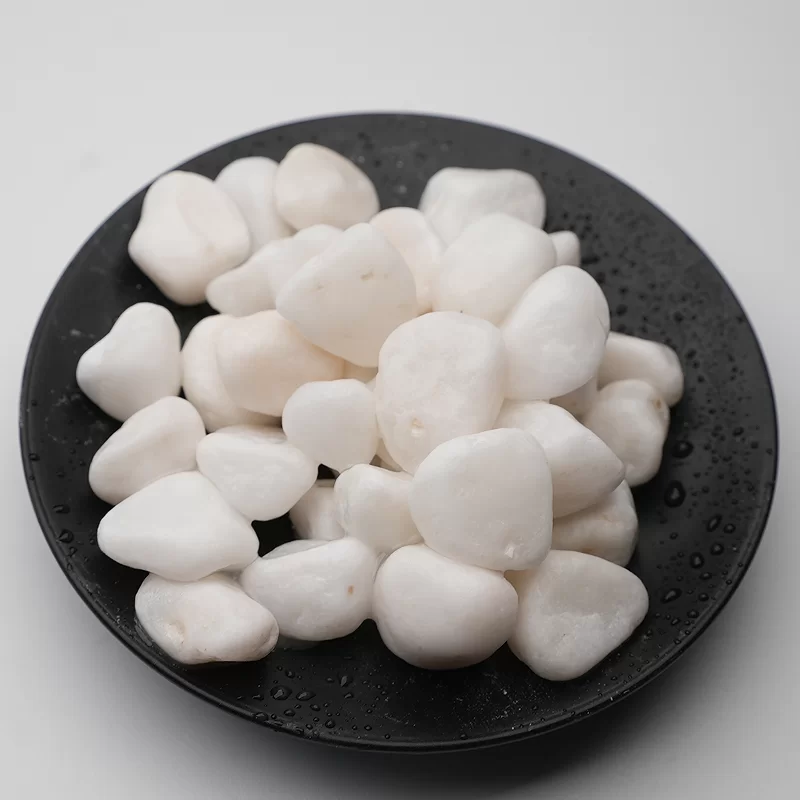
- River Rock – Naturally smoothed by rivers, these stones add a polished, organic feel. They’re excellent for walkways and accents but can shift around underfoot if not installed with care.
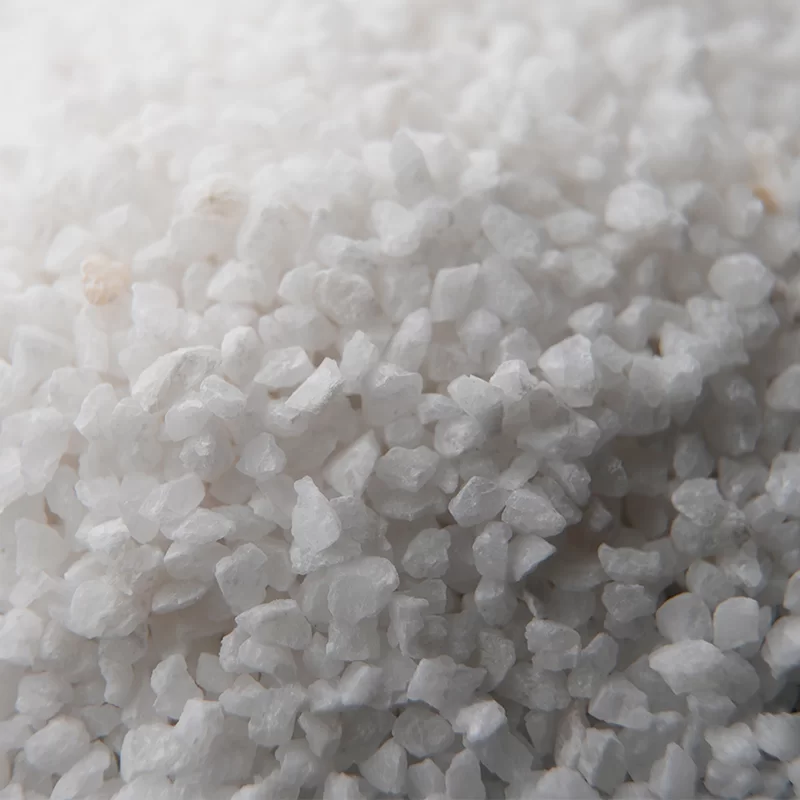
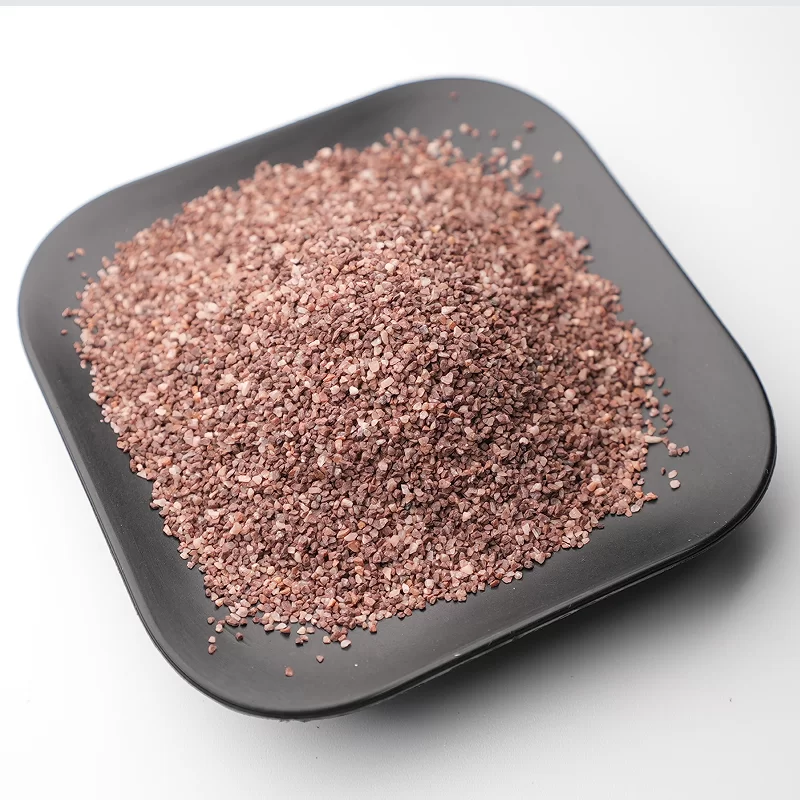
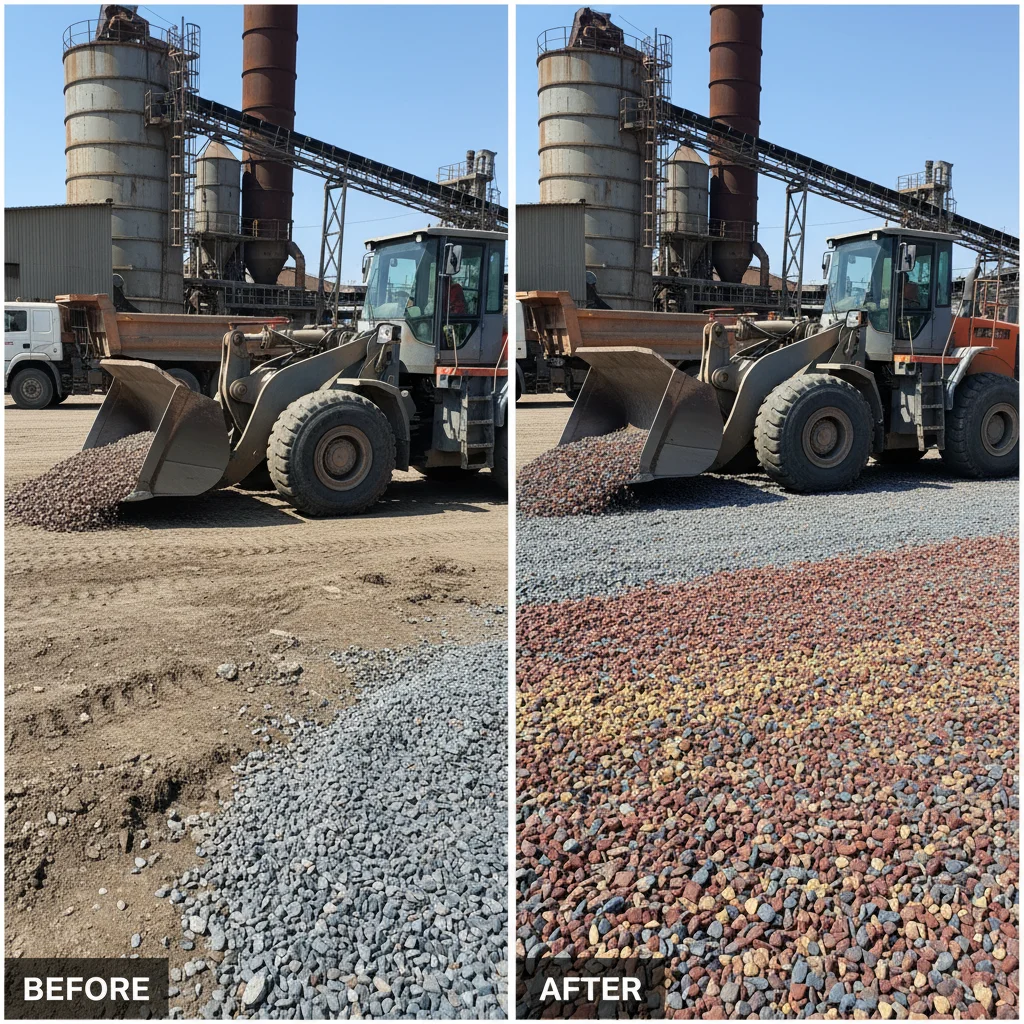
- Crushed Stone – Angular and sharper, crushed stone compacts well. It’s the go-to choice for driveways and paths needing firm bases. You might spot it in various colors, from grays to reds, adding versatility.
- Pea Gravel – Small, rounded stones roughly pea-sized. Kind of playful, they’re great for patios and sometimes drainage. Not perfect for heavy use as they can scatter easily.
- Flagstone – Flat slabs ideal for patios or stepping stones. It’s more about formality and structure. These stones can be pricey but instantly elevate a space.
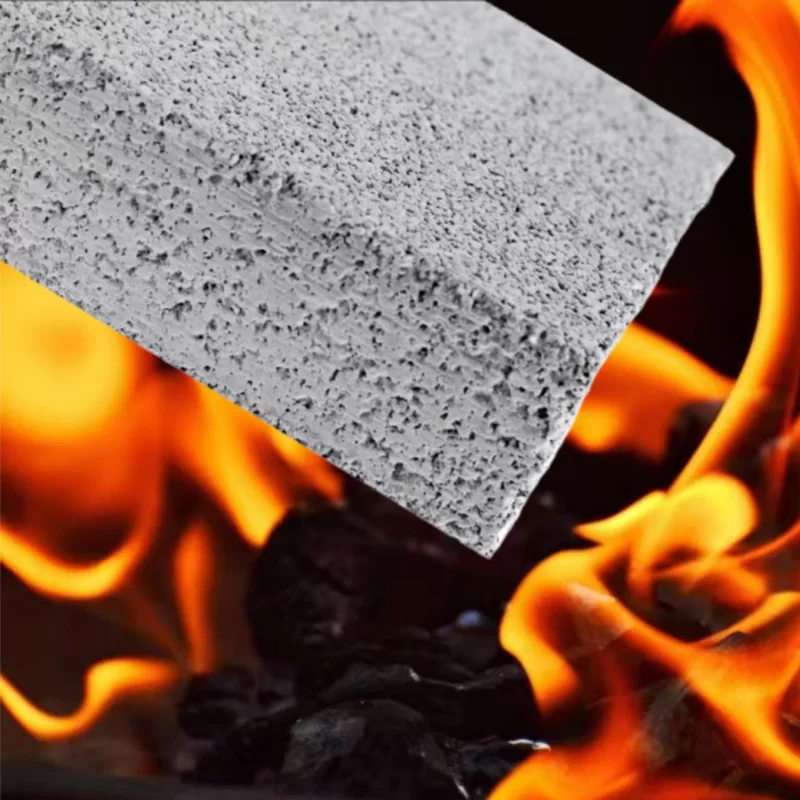
- Lava Rock – Porous and lightweight, lava rock offers dramatic texture and is often used in xeriscapes or fire pits. It holds heat, so it’s surprisingly functional as well as decorative.
A Quick Look at Product Specifications
| Rock Type | Average Size | Color Range | Typical Uses | Porosity |
|---|---|---|---|---|
| River Rock | 1"–3" diameter | Grays, browns, tans | Ground cover, accents | Low |
| Crushed Stone | ½"–2" | Gray, white, red | Driveways, base layers | Medium-low |
| Pea Gravel | ¼"–⅜" | Mixed pastels, browns | Patios, drainage | Medium |
| Flagstone | Varies, 12"–36" flat sheets | Earth tones, blues, reds | Patios, walkways | Low |
| Lava Rock | ½"–3" | Red, black | Xeriscape, mulching | High |
Choosing a Vendor: What to Watch For
From personal experience, you want more than just good-looking rock. Consistency in sizing, cleanly processed material (no random dirt or debris), and reliable delivery schedules are non-negotiable. I once worked on a project where the vendor's crushed stone came with too many fines, causing drainage problems — lesson learned the hard way.
Below is a comparison table of three typical landscaping rock suppliers I’ve dealt with, weighing their specs and service quality:
| Vendor | Product Range | Material Quality | Delivery Times | Customer Service |
|---|---|---|---|---|
| RockWell Supplies | Wide variety including specialty flagstone | High-grade, well screened | 2-4 days typical | Responsive, great support |
| StoneCraft Depot | Focus on crushed & pea gravel | Good but occasional fines issue | 1 week average | Average, sometimes slow replies |
| Natural Landscape Rocks | River rock and lava rock specials | Organic feel but less sorting | 3-5 days typical | Helpful, knowledgeable staff |
Wrapping Up
Frankly, the perfect decorative landscaping rock depends on your project's demands — from drainage needs to stylistic preferences. It’s always wise to get samples first, test installation spots, and anticipate how rocks will settle over time.
In real terms, a little attention at the start pays dividends. One time, a client opted for lava rock around a fire pit and everyone commented on how the texture and heat retention added unexpected charm. That kind of practical feedback keeps me passionate about these seemingly simple materials.
Takeaway: Landscaping rocks are more than just filler; they’re the foundation of lasting outdoor beauty and functionality.
References
- Industry Handbook on Landscaping and Hardscape Materials, 2021 Edition
- Field Observations & Vendor Testimonials, 2019-2023
- “The Science of Porosity in Landscaping Stone,” Journal of Material Sciences, 2020