
Selecting a reliable stone exporter is a critical decision for construction firms and industrial manufacturers who rely on high-purity mineral aggregates. The global supply chain for non-metallic minerals—ranging from decorative glass beads to structural gravel—demands a partner capable of maintaining strict consistency and navigating complex international logistics. This article explores the technical and commercial framework required to vet suppliers and ensure material integrity.
In the B2B mining and mineral sector, the challenge often lies in the gap between catalog specifications and delivered reality. Whether sourcing colored glass beads for high-end architectural flooring or quartz sand for industrial filtration, procurement officers must look beyond price points to analyze processing capabilities, beneficiation standards, and the geological advantages of the supplier's location. Understanding these nuances prevents project delays and material failure in high-traffic environments.
Readers will gain a comprehensive understanding of how to evaluate mineral suppliers based on technical parameters like sphericity and refractive index, as well as the operational benchmarks that define a professional export entity. By mapping technical requirements to supplier capabilities, businesses can optimize their procurement strategy to enhance both the aesthetic and structural quality of their final projects.
Strategic Sourcing of Mineral Aggregates
The procurement of non-metallic minerals, such as those categorized under stone exporter services, requires a deep understanding of the geological source and the refinement process. For instance, minerals sourced from regions like the Taihang Mountains benefit from rich natural deposits, which provide a competitive edge in raw material purity. However, raw extraction is only the first step; the true value is added during the processing and beneficiation stages. Modern facilities utilize advanced laboratory testing and multi-layer management systems to ensure that materials like gravel, pebble, and quartz sand meet international standards.
Effective sourcing involves aligning the material's physical properties with the end-use environment. For decorative applications, the focus shifts to color stability and light reflection, whereas industrial applications prioritize hardness and chemical inertness. A professional supplier does not merely ship bulk material but provides a technical data sheet that confirms the material's behavior under specific stress or environmental conditions. This scientific approach to exporting ensures that the end-user receives a product that is fit for purpose, reducing the risk of structural degradation or aesthetic fading over time.
Evaluating Global Supply Chain Partners
When auditing a potential partner, it is essential to analyze the synergy between their production infrastructure and your project's specific technical demands. A robust supplier should demonstrate a seamless transition from raw material extraction to final packing and global distribution.
Material Specification Analysis
Technical precision is non-negotiable in mineral exports. For high-end decorative materials, parameters such as the refractive index (typically 1.50 - 1.90 for glass beads) and sphericity (exceeding 98%) determine the visual and functional outcome. Buyers should demand verified data on Mohs hardness to ensure durability in high-traffic areas.
| Technical Parameter | Critical Requirement | Impact on Performance | Buyer's Verification Method |
|---|---|---|---|
| Sphericity | > 98% | Uniform light refraction | Microscopic sampling |
| Mohs Hardness | Level 5-6 | Abrasion resistance | Scratch testing |
| Refractive Index | 1.50 - 1.90 | Optical brilliance | Refractometer analysis |
| Color Stability | Non-fading | Long-term aesthetics | UV exposure test |
| Density | 2.4 - 2.6 g/cm³ | Structural stability | Pycnometer test |
| Particle Size | Custom (1-9mm) | Texture and finish | Sieve analysis |
Quality Control Protocols
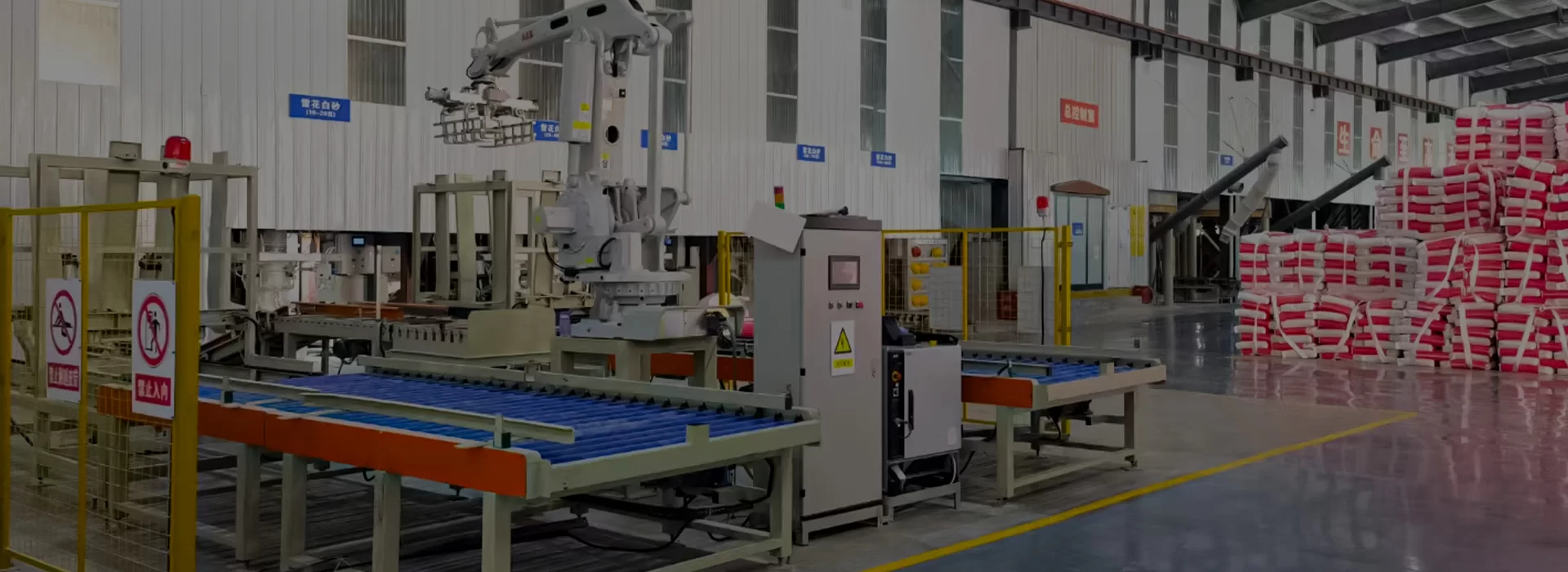
A reliable supplier implements a rigorous quality assurance framework. This includes strict adherence to testing protocols for every production batch to ensure consistency across thousands of tons. The use of modern laboratory equipment allows the supplier to monitor purity and grading in real-time, ensuring that the final shipment matches the approved sample exactly.
Customization Capabilities
B2B projects often require bespoke specifications. Whether it is a specific color for brand alignment or a particular size grade for epoxy flooring (such as 1-3mm for smooth finishes vs 6-9mm for accents), the ability to customize materials is a hallmark of a sophisticated manufacturer. This capability reduces the need for on-site processing and minimizes waste.
Logistics and Distribution Efficiency
Exporting minerals requires specialized bulk packaging to prevent breakage and maintain purity during long-distance transit. Experience in shipping to diverse regions—such as Southeast Asia, the Middle East, and Europe—indicates a supplier's ability to handle complex customs documentation and optimize shipping routes to prevent project delays.
Application-Specific Requirements
The choice of mineral depends heavily on the environment. For outdoor architectural mosaics, weather-resistant properties and high hardness are paramount. Conversely, for interior luxury handicrafts, the emphasis is on iridescent or pearly finishes. Suppliers who offer expert guidance on quantity calculations per square footage provide significant added value to the buyer.
Compliance and Certification
Verification of export licenses and quality certifications is the first line of defense against procurement risk. Certified factories ensure that the production processes are safe, environmentally compliant, and meet the industrial standards of the destination country, facilitating smoother import processes and legal compliance.
Cost-Value Optimization
While initial pricing is important, the total cost of ownership is determined by the material's lifespan. Premium colored beads with high Mohs hardness and fade-resistant technology offer a higher ROI than standard glass sand because they require less maintenance and have a slower replacement cycle in commercial settings.
FAQ
How does the refractive index affect the choice of decorative glass beads?
The refractive index determines how light bends as it passes through the material. A higher index (up to 1.90) results in greater luminosity and reflective properties. This is critical for safety applications like reflective road markings and for high-end art installations where maximum brilliance and light-reflecting properties are required.
What is the best way to prevent color fading in outdoor mineral installations?
To prevent fading, you must ensure that the color is integrated into the material's chemical structure during high-temperature melting rather than applied as a surface coating. Advanced coloring technology used in premium glass beads ensures that hues remain vibrant even under prolonged exposure to UV sunlight and harsh weather.
How should I determine the correct bead size for epoxy flooring?
The selection depends on the desired tactile and visual texture. Sizes between 1-3mm are typically used for a smooth, shimmering finish that is easy to clean. In contrast, larger beads (6-9mm) are employed when the project requires prominent decorative accents or a more rugged, textured appearance.
What are the signs of a high-quality mineral export partner?
A high-quality partner provides transparent technical data, possesses a valid export license, and operates their own processing and laboratory testing workshops. They should be able to demonstrate a track record of serving multiple international regions and offer a structured quality control system that guarantees batch-to-batch consistency.
Why is sphericity important for industrial surfacing?
Sphericity, specifically exceeding 98%, ensures that the particles are uniform. In industrial surfacing, this uniformity allows for a consistent layer thickness, predictable light refraction, and a professional, clean finish. Poor sphericity can lead to uneven wear and unattractive visual gaps in the final surface.
Can custom colors be matched to specific brand guidelines?
Yes, professional manufacturers offer customization services where molten raw materials are engineered to match specific color requirements. This is common for commercial projects where the flooring or architectural elements must align with a corporate identity or a specific design palette.
References and further reading
- Industrial Standards for Non-Metallic Mineral Processing and Grading.
- Global Logistics Guidelines for Bulk Mineral Export and Customs Compliance.
- Comparative Analysis of Glass Bead Refractive Indices in Architectural Design.
Related Articles


