
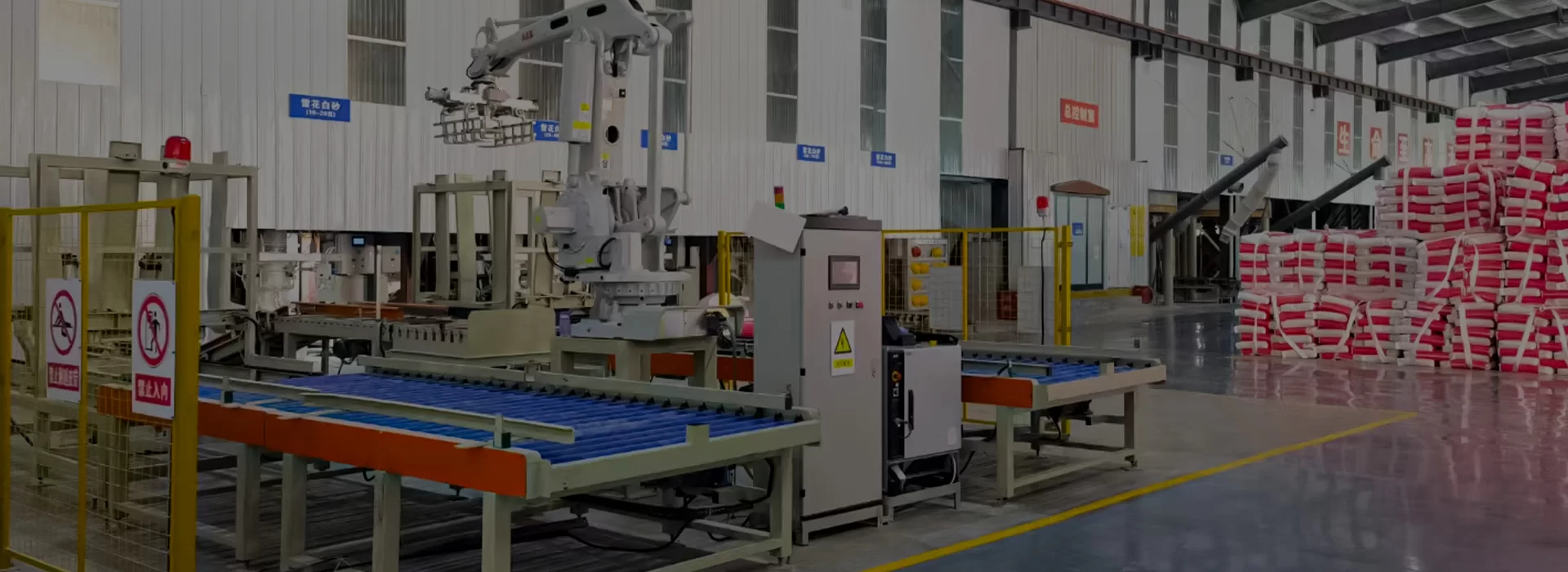
Premium Natural Colored Sand Factory for Architectural Finish
Achieving a high-end architectural finish requires more than just a pigment; it requires a precisely engineered mineral foundation. Natural Colored Sand is a professional-grade aggregate derived from high-purity quartz, feldspar, and mica, specifically designed to bridge the gap between structural durability and aesthetic sophistication. For architects and flooring contractors, the challenge often lies in finding a material that maintains color vibrancy under UV exposure while offering the mechanical hardness needed for high-traffic commercial environments.
By utilizing natural iron oxides for coloration rather than organic dyes, this material ensures a seamless integration into textured paints, terrazzo flooring, and epoxy coatings. Whether the objective is to create a three-dimensional relief on an exterior facade or a sleek, wear-resistant marble surface indoors, the particle distribution and chemical purity of these aggregates determine the final bonding strength and visual depth of the project.

Mineral Composition and the Engineering of High-Performance Colored Aggregates
The performance of decorative sand is dictated by its mineralogy. Our premium aggregates are engineered from a synergistic blend of quartz, feldspar, and mica. Quartz provides the primary structural hardness (Mohs scale ≥5) and high SiO₂ content (60%-80%), which is essential for ensuring that the final coating does not scratch or erode over time. Feldspar contributes to the chemical stability of the material, while mica introduces a subtle, natural luster that enhances the three-dimensional visual effect when used in spray paints or relief decorations.
Unlike synthetic alternatives, the coloring process relies on natural iron oxide (Fe₂O₃). This mineral-based approach ensures that the color is an intrinsic part of the grain rather than a surface layer. Consequently, the materials exhibit exceptional UV stability, preventing the fading typically associated with chemical dyes in outdoor applications. The production process involves a rigorous cycle of screening and precision grinding to achieve specific mesh sizes, ranging from 10 to 120 mesh, ensuring that the material flows consistently through application equipment and blends uniformly with acrylic or epoxy binders.

Industrial Applications: From Terrazzo Flooring to Real Stone Coatings
The versatility of natural colored sand makes it a critical component in several high-performance construction sectors. In terrazzo and epoxy flooring, the sand acts as a functional aggregate that provides both a vivid color palette—including black, red, yellow, white, green, gray, and blue—and extreme wear resistance. The low oil absorption (≤15 g/100g) ensures that the resin fully encapsulates each grain, eliminating voids and preventing the peeling or cracking that often plagues lower-grade materials.
For exterior applications, these aggregates are the gold standard for "real stone paints." By matching the particle size distribution (0.15-3.0mm) to the desired texture, contractors can replicate the appearance of natural rock with a lightweight, waterproof finish. The inherent waterproof and corrosion-resistant properties of the minerals protect the building's envelope from harsh weather conditions while maintaining a luxury aesthetic. Additionally, the non-toxic and odorless composition makes it safe for interior residential reliefs and decorative accents, meeting strict indoor air quality standards.
Optimizing Bond Strength and Visual Depth in Architectural Reliefs
One of the primary technical hurdles in decorative coating is achieving strong adhesion between the mineral aggregate and the polymer binder. Our natural colored sand is engineered for superior bonding with both epoxy and acrylic resins. This is achieved through advanced milling technology that optimizes the particle shape, increasing the surface area available for chemical bonding. This prevents the "popping" effect where grains detach from the surface under mechanical stress, ensuring a long-lasting finish in high-traffic areas.
Beyond structural integrity, the visual depth of a surface is determined by the contrast between different particle sizes. By providing customizable grading (e.g., 20-40 or 80-120 mesh), we enable designers to create complex textures. A mixture of larger grains for structural definition and finer grains for color saturation results in a professional 3D effect. This is particularly effective in architectural reliefs, where the interplay of light and shadow on the mineral surfaces creates a sophisticated, natural appearance that synthetic fillers cannot replicate.
Technical Comparison: Natural Mineral Sand vs. Standard Aggregates
| Performance Metric | Standard Sand | Natural Colored Sand | Value Impact |
|---|---|---|---|
| Wear Resistance | Moderate | High (Mohs ≥5) | Reduced Maintenance |
| Color Stability | Prone to Fading | UV Resistant | Long-term Aesthetics |
| Binding Strength | Variable | High Adhesion | Zero Peeling Risk |
| Environmental Impact | Chemical Dyes | Mineral-based | Eco-Certification |
| Visual Depth | Flat/Uniform | 3D Textured Effect | Premium Property Value |
Quality Control Systems in Mineral Processing and Grading
Consistency is the most critical factor for large-scale construction projects. A slight variation in particle size or color tone can lead to visible seams or "patching" across a large wall or floor. To mitigate this, our processing facility employs a multi-layer management system. The journey begins with the strict selection of natural quartz and feldspar ores to ensure chemical purity. Following this, advanced milling technology is used to ensure uniform particle shapes, which is essential for the consistent flow of paint mixes through spray nozzles.
The grading process utilizes multi-stage screening systems to guarantee exact mesh size distribution. Every batch undergoes rigorous testing for bulk density (0.8-1.5 g/cm³) and oil absorption. By standardizing the color using natural iron oxides, we ensure that the UV-resistant series remains stable across different production lots. Finally, moisture-proof packaging is implemented to maintain product purity during global transit, ensuring that the material arrives at the project site in optimal condition for immediate mixing and application.
Strategic Procurement Considerations for Decorative Aggregates
When sourcing aggregates for a professional project, procurement managers should look beyond the initial price per ton and evaluate the total lifecycle cost. Low-cost sands often contain higher impurities or use organic dyes, leading to premature fading and higher maintenance costs. Investing in high-SiO₂ content materials (60%-80%) reduces the frequency of resurfacing and enhances the structural stability of the flooring, particularly in commercial malls, airports, or luxury hotels where durability is non-negotiable.
Furthermore, customization capability is a key supplier metric. Projects often require specific mesh sizes to match the viscosity of the chosen resin. A supplier that can provide tailored grading—rather than just standard off-the-shelf sizes—allows for better optimization of the paint formula, reducing waste and improving application speed. Evaluating the supplier's quality control certifications and their ability to maintain color consistency across large volumes is essential for avoiding costly project delays and aesthetic failures.
Frequently Asked Questions About Natural Colored Sand
What are the primary uses of natural colored sand in construction?
It is primarily used as a functional aggregate for textured paints, real stone paints, terrazzo flooring, and epoxy coatings, providing both decorative color and physical durability to walls and floors.
Is the color of the sand resistant to fading under sunlight?
Yes, because our colors are derived from natural iron oxides and mineral ores rather than organic dyes, they exhibit excellent UV stability and resistance to fading in outdoor environments.
Can the particle size be customized for specific project requirements?
Absolutely. While our standard range is 0.15-3.0mm, we offer customizable grading (including specific mesh sizes like 20-40 or 80-120) to match your specific paint or flooring formula.
How does the SiO₂ content affect the final application?
With a SiO₂ content of 60%-80%, our sand provides high hardness and transparency, which directly translates to superior wear resistance and a clearer, more brilliant finish in coatings.
Is this product safe for indoor residential use?
Yes, our natural colored sand is non-toxic and odorless, making it perfectly safe for interior wall decorations, reliefs, and residential flooring applications.
What makes "real stone paint" different when using this sand?
Using natural mineral sand creates an authentic stone texture and a three-dimensional visual effect that synthetic alternatives cannot replicate, offering a luxury "natural rock" appearance.
Technical References and Industry Sources
- ASTM International - Standard Specifications for Mineral Aggregates
- ISO Standards for Construction Materials and Testing
- Mineralogical Properties of Quartz and Feldspar
- Research on Polymer-Mineral Composite Adhesion
Whether you are designing a landmark commercial facade or upgrading industrial flooring, selecting the right mineral aggregate is the foundation of success. Contact our technical team today to discuss your specific mesh requirements and color palette for your next project.
Related Industrial Insights


