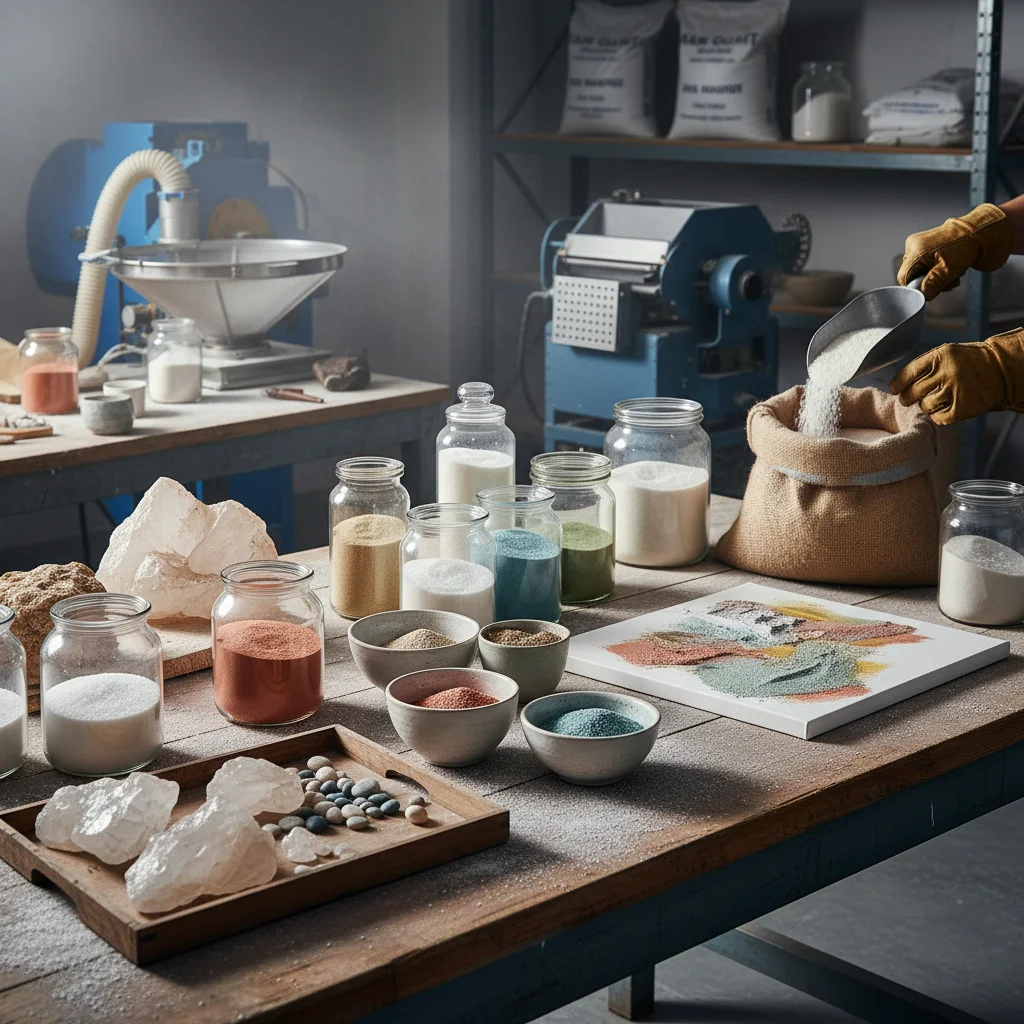
In the world of horticulture and professional landscaping, the choice of growing medium can make the difference between a struggling seedling and a thriving botanical specimen. quartz sand for plants has emerged as a critical component for growers seeking to optimize soil structure, particularly for species that demand rapid drainage and high aeration. By integrating high-purity silica, gardeners can prevent the common pitfall of soil compaction, ensuring that roots have the oxygen they need to expand.
From a global perspective, the demand for specialized mineral substrates is rising as urban gardening and commercial hydroponics expand. The use of silica-based materials is no longer limited to niche desert plants; it is now a standard practice in high-value orchid cultivation and succulent nurseries across Europe, North America, and Asia. Understanding the physical and chemical properties of these minerals allows growers to mimic natural habitats more accurately, leading to healthier plant biomass and reduced reliance on chemical fungicides.
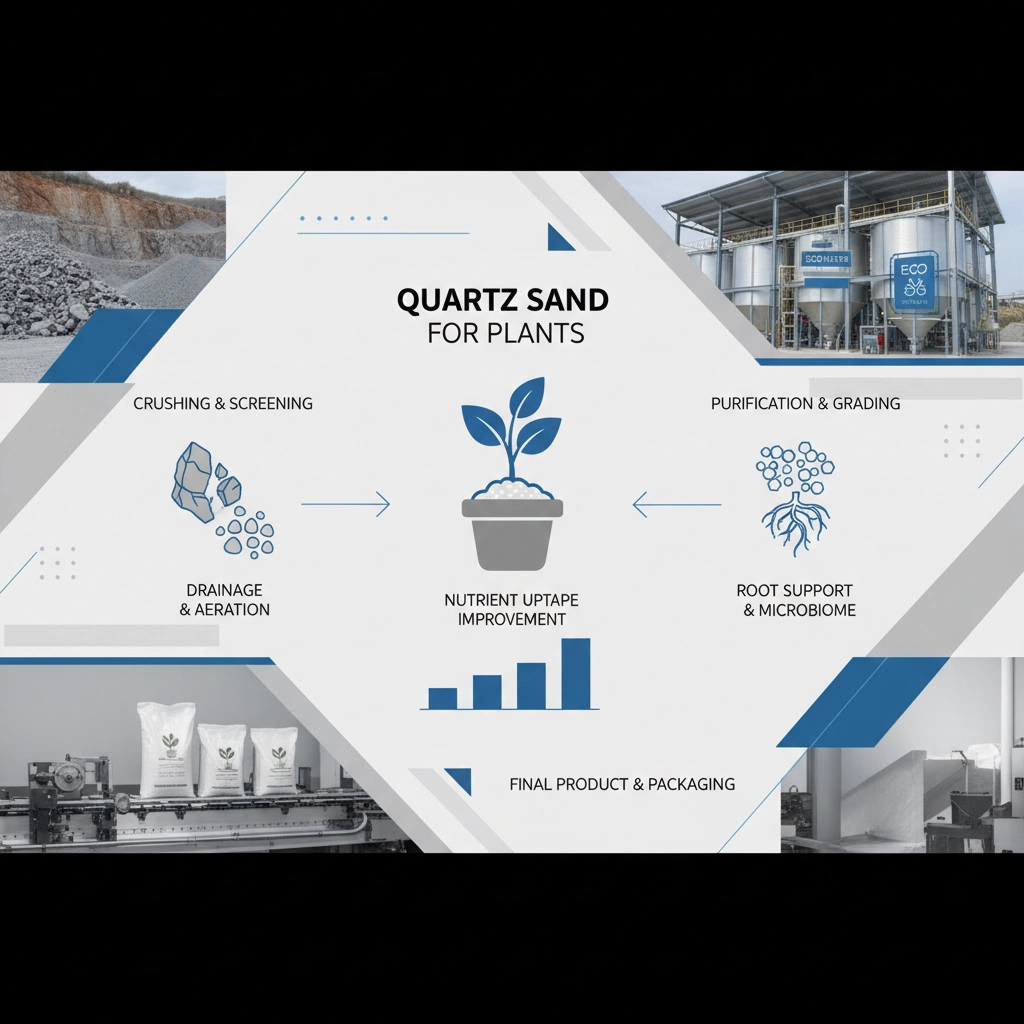
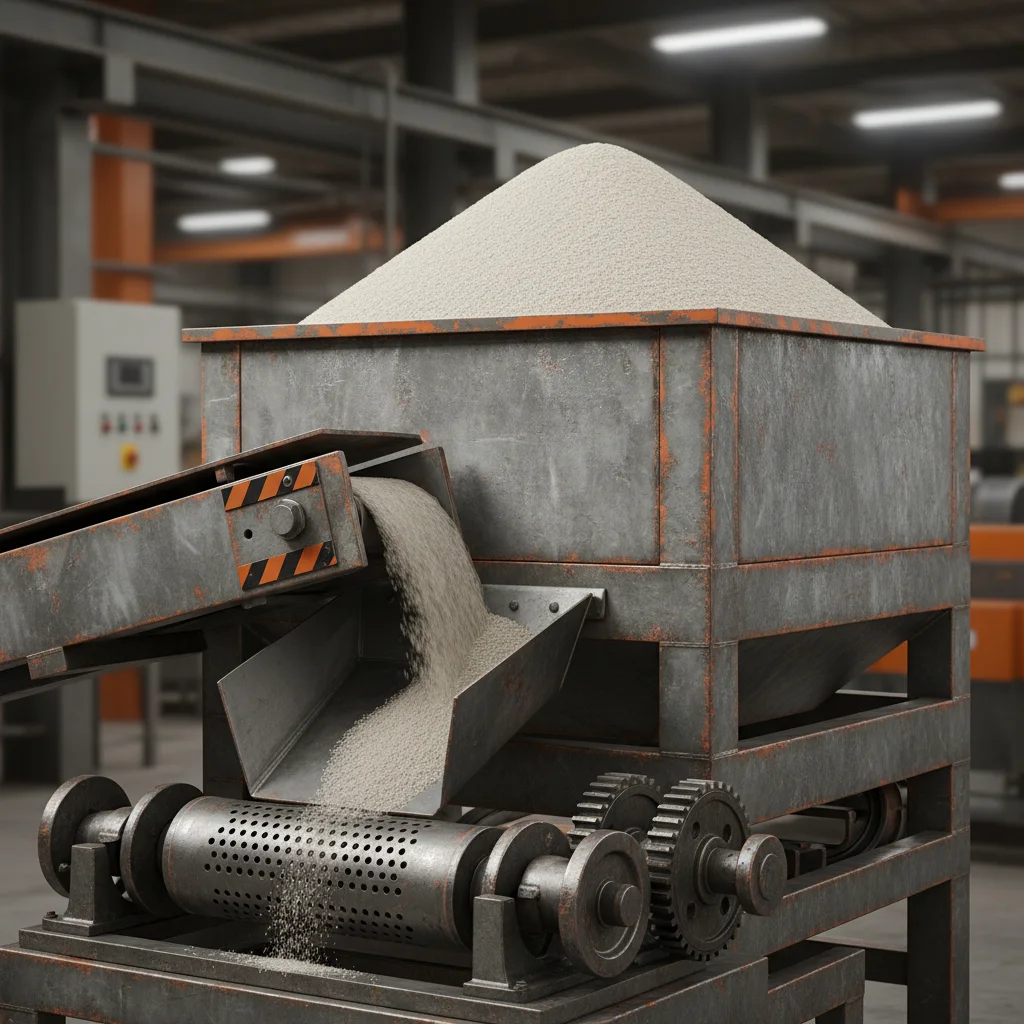
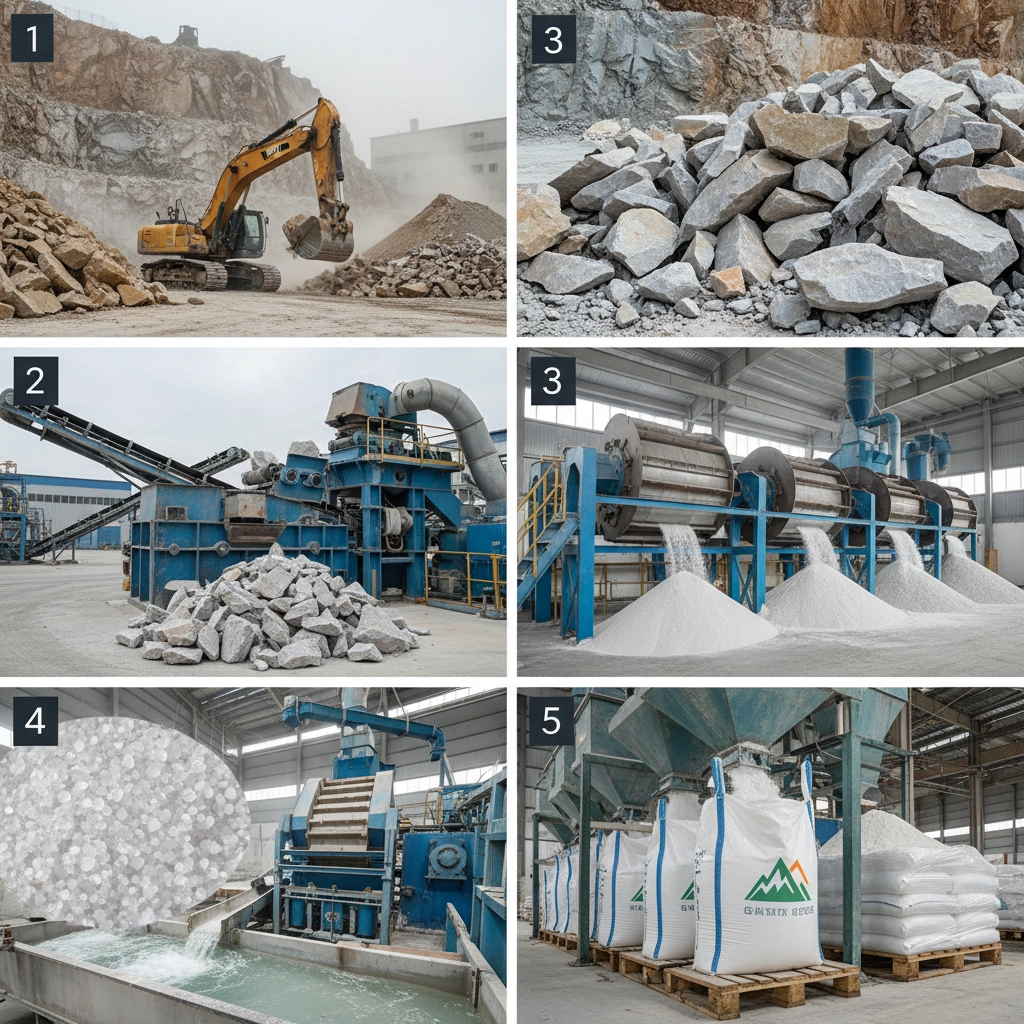
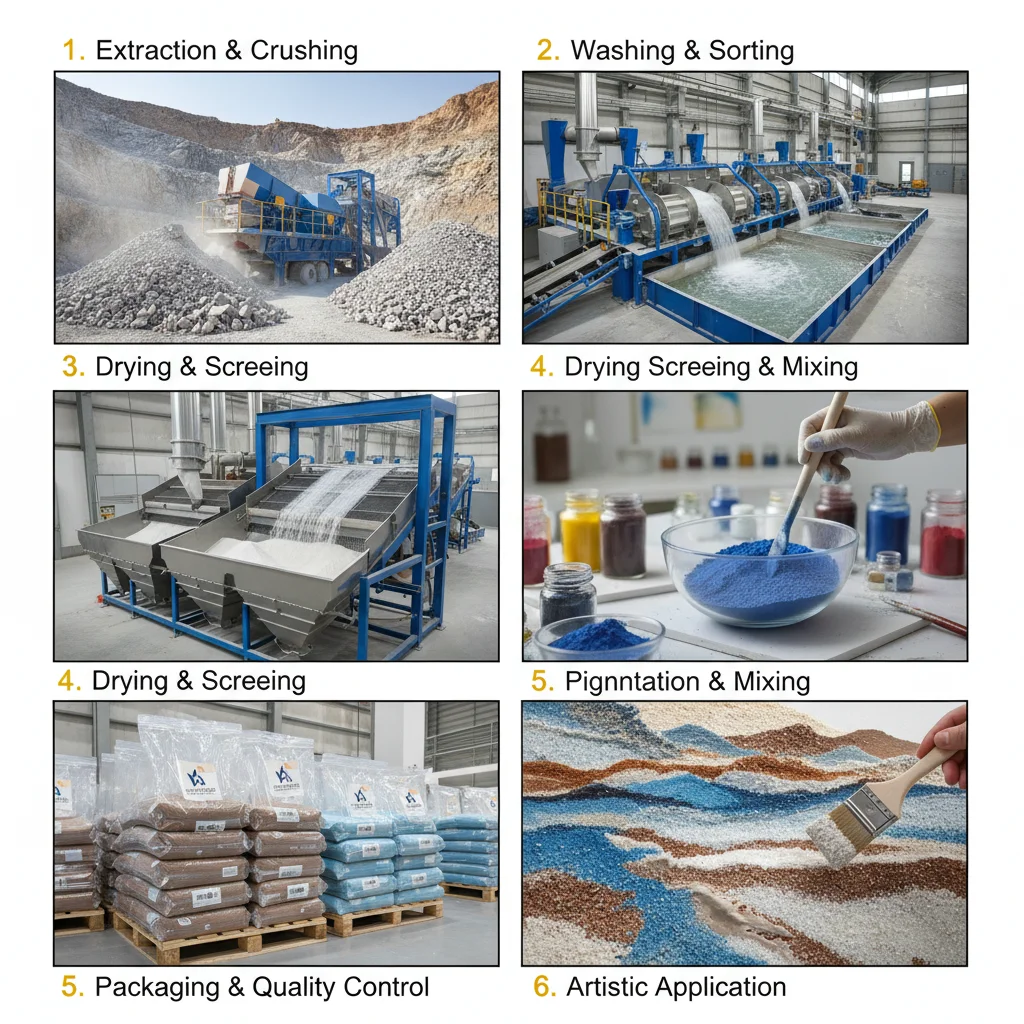
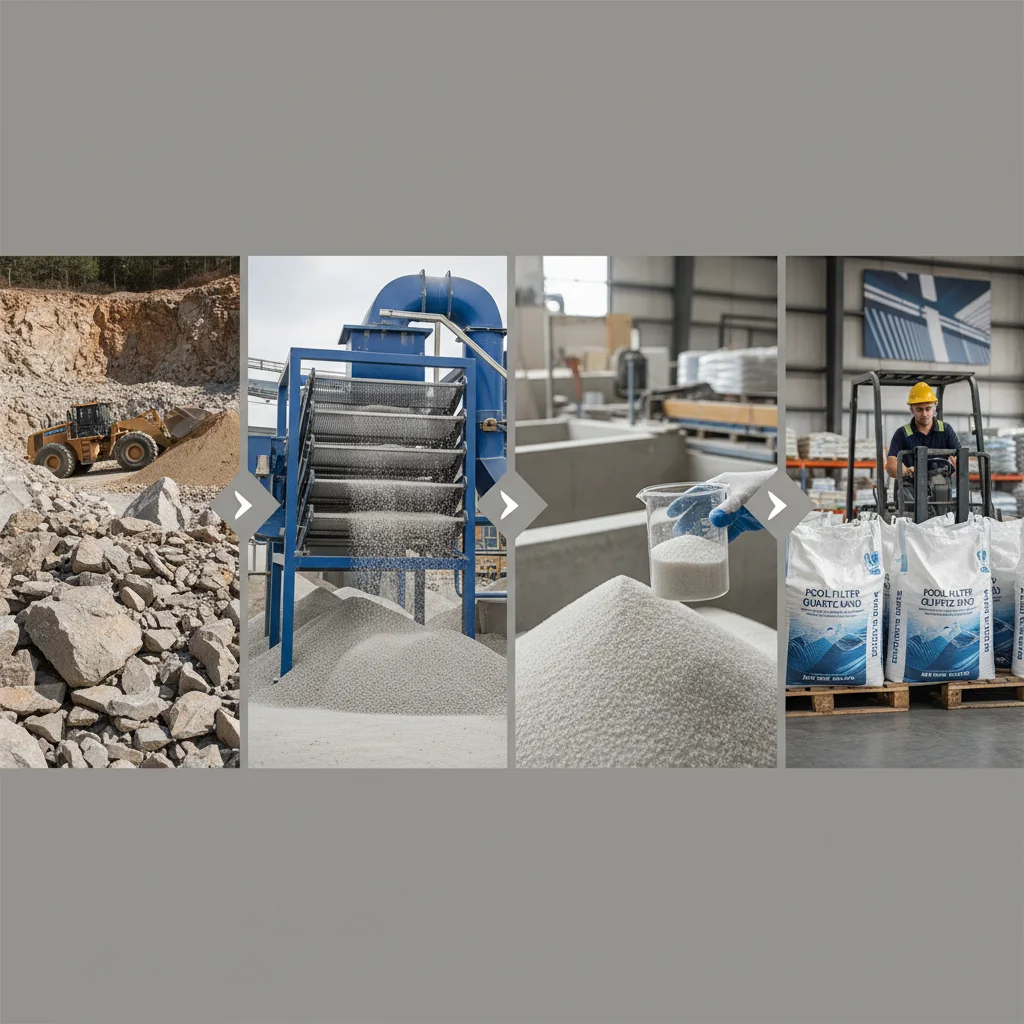
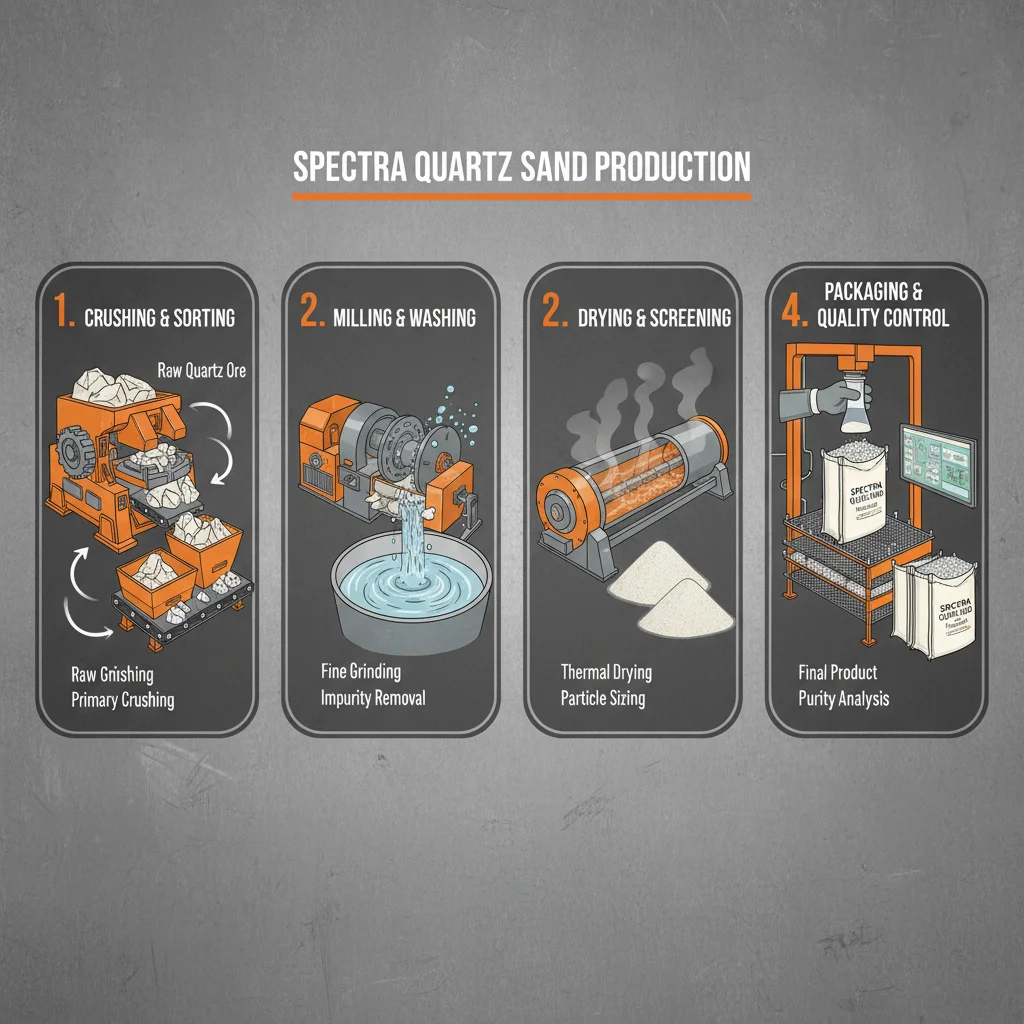
However, not all sand is created equal. The industrial processing of quartz sand for plants ensures that impurities, such as salts and organic debris, are removed, providing a sterile and pH-neutral environment. This precision is essential for preventing root rot and nutrient lockout, making high-grade quartz sand an indispensable tool for both the amateur hobbyist and the commercial agriculturalist.
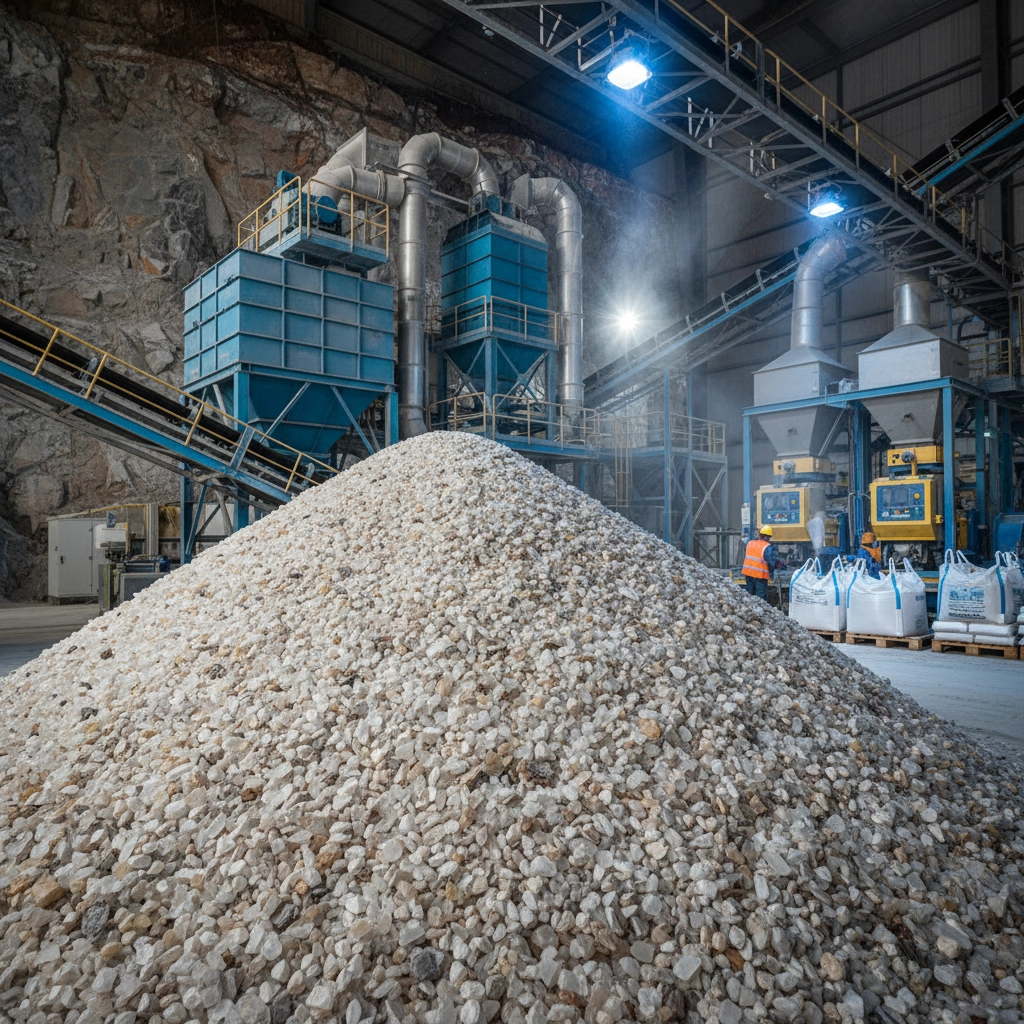
The Fundamentals of Quartz Sand for Plants
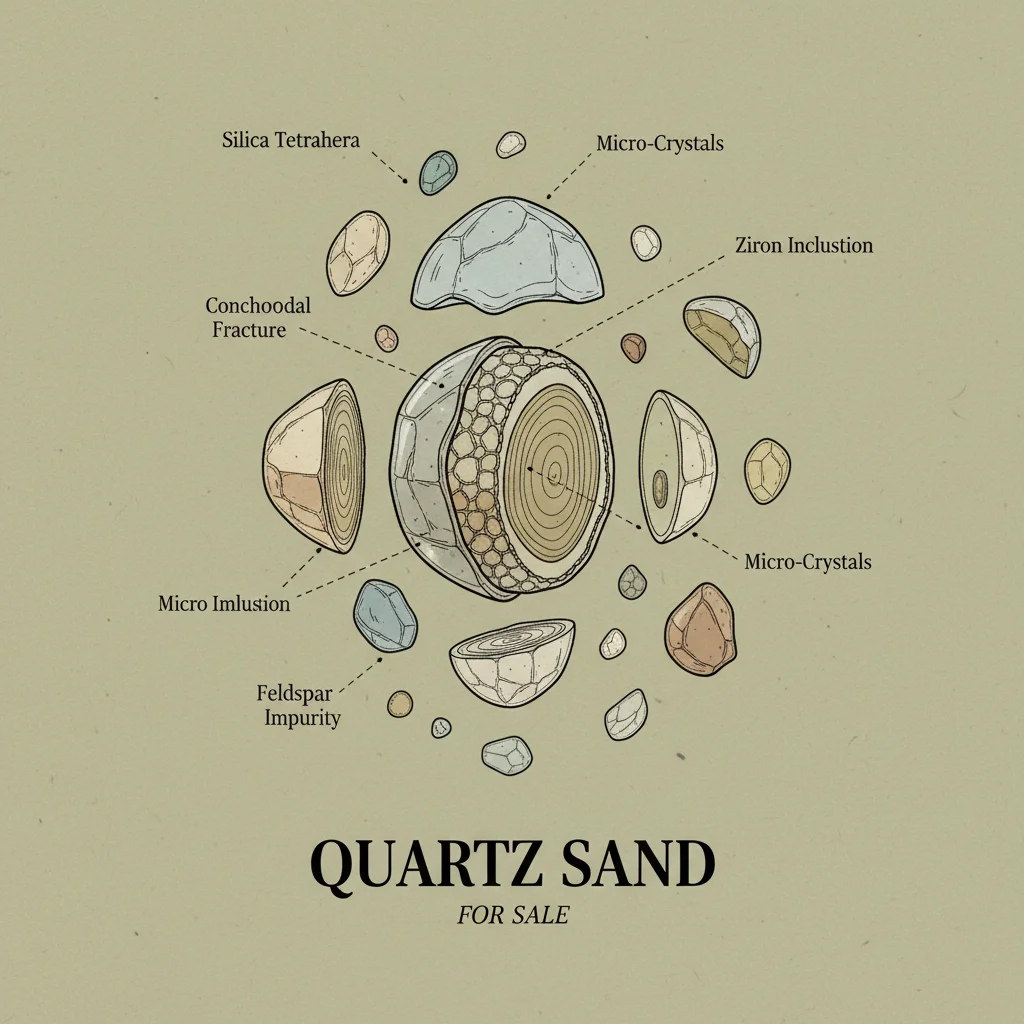
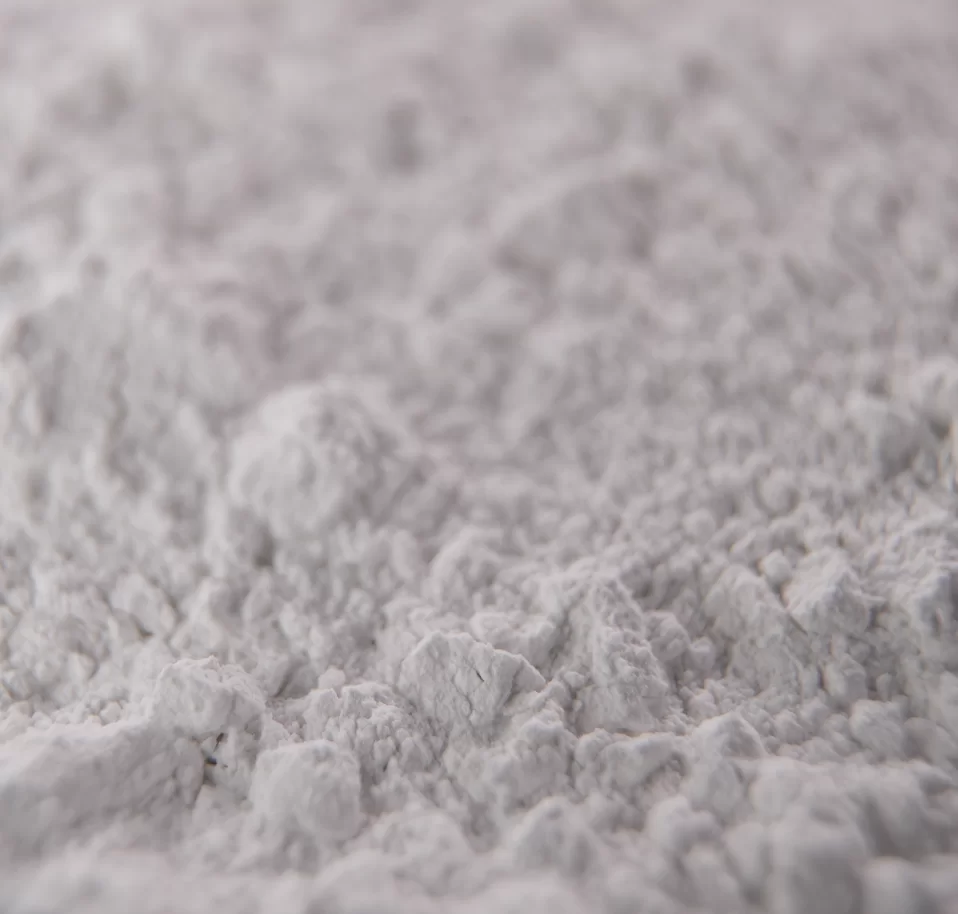
At its core, quartz sand for plants is composed primarily of silicon dioxide (SiO2). Unlike organic soils that decompose over time, quartz sand is chemically inert and physically stable. This means it does not break down or shrink, providing a consistent structural skeleton for the potting mix that ensures air pockets remain open, allowing for an efficient exchange of gases between the soil and the atmosphere.
For growers, the primary appeal lies in its ability to facilitate "fast drainage." In heavy clay soils, water tends to pool, which can suffocate roots and invite anaerobic bacteria. By blending in quartz sand, the porosity of the medium is increased, allowing excess water to flow away from the root zone while still maintaining the necessary moisture levels for plant hydration.
Global Demand and Industry Standards
The global shift toward sustainable urban agriculture has placed a spotlight on the materials used in "soilless" or "semi-soilless" cultures. Industry reports indicate a growing reliance on mineral-based substrates to replace peat moss, which is increasingly viewed as environmentally unsustainable due to the destruction of carbon-sequestering peatlands. As a result, quartz sand for plants has seen a surge in adoption across industrial greenhouses in the Netherlands and the United States.
To maintain quality, the industry adheres to strict ISO standards regarding grain size distribution and purity. Commercial-grade quartz sand must be free from calcium carbonates (which can unintentionally raise pH levels) and heavy metals. This standardization ensures that a nursery in Japan and a garden center in Germany receive a product that behaves predictably, allowing for precise nutrient dosing and irrigation scheduling.
The challenge remains in the logistics of transporting heavy mineral materials. However, the long-term reliability and the absence of degradation make it a cost-effective choice compared to organic alternatives that require frequent replacement. The integration of quartz sand into global supply chains is now focused on reducing the carbon footprint of transport through regional processing hubs.
Core Components of High-Quality Silica Substrates
The efficiency of quartz sand for plants is determined by several key factors, most notably the grain size and angularity. Coarser grains are typically used for the bottom layers of pots to facilitate drainage, while finer grains are blended into the topsoil to improve texture and water retention for smaller root systems.
Purity is the second critical component. High-purity quartz sand ensures that no unwanted minerals interfere with the plant's nutrient uptake. For example, the presence of high salts in low-grade sand can lead to "salt burn," where the osmotic pressure prevents the roots from absorbing water, effectively dehydrating the plant despite the soil being wet.
Finally, the physical stability of the material ensures long-term scalability. Because quartz does not compact under its own weight or the weight of the plant, it maintains the soil's "macro-pores." This structural integrity is vital for long-term perennial crops and indoor plants that remain in the same container for several years.
Practical Applications Across Plant Species
The application of quartz sand for plants varies significantly depending on the biological needs of the species. For succulents and cacti, a high ratio of sand to organic matter is required to prevent root rot. In contrast, for tropical aroids like Monstera or Philodendron, quartz sand is often mixed with orchid bark and perlite to create a "chunky" mix that simulates the epiphytic environment of a rainforest canopy.
Beyond home gardening, industrial-scale nurseries use these substrates in hydroponic "sand culture." This method allows for complete control over the nutrient solution delivered to the roots, as the inert nature of the quartz sand prevents the medium from reacting with the chemical fertilizers.
Performance Ratings of Various Quartz Sand Blends for Plants
Long-Term Value for Commercial Nurseries
For commercial growers, the transition to quartz sand for plants represents a strategic investment in reliability. One of the most tangible benefits is the reduction in crop loss due to Pythium and other water-borne pathogens. By ensuring that the root zone never remains saturated for too long, growers can significantly decrease their expenditure on chemical soil sterilants and fungicides.
Furthermore, the sustainability angle adds significant brand value. As consumers become more aware of the ecological cost of peat mining, nurseries that can certify their growth media as "peat-free" or "mineral-enriched" gain a competitive edge in the marketplace. This shift not only protects the environment but also builds trust with an eco-conscious customer base.
Future Innovations in Mineral Soil Enhancements
The future of quartz sand for plants lies in "functionalized" substrates. Researchers are currently exploring ways to coat quartz grains with beneficial microbes or slow-release nutrients. This would transform the sand from a purely structural component into an active delivery system, providing plants with a steady stream of nutrition while maintaining the drainage benefits of silica.
Digital transformation is also playing a role. Smart sensors embedded in quartz-rich soils can now provide real-time data on moisture levels and nutrient concentrations. Because quartz sand has a predictable water-holding capacity, the algorithms used in automated irrigation systems are far more accurate, reducing water waste and optimizing growth cycles.
Additionally, there is a trend toward recycling industrial silica waste into horticultural-grade sand. By purifying the by-products of glass and electronics manufacturing, the industry can create a circular economy that reduces the need for new mining operations, further enhancing the sustainability of the agricultural sector.
Overcoming Challenges in Substrate Selection
Despite its benefits, a common challenge is the "weight issue." Quartz sand is significantly heavier than perlite or vermiculite, which can increase shipping costs and make large pots difficult to move. The solution adopted by modern greenhouses is the "hybrid mix" approach—combining quartz sand for its stability and drainage with lighter aggregates to balance the weight without sacrificing structural integrity.
Another limitation is the low cation exchange capacity (CEC) of quartz sand, meaning it does not hold onto nutrients as well as clay or organic matter. To overcome this, experts suggest blending quartz sand for plants with a small amount of zeolite or biochar, which acts as a nutrient reservoir, releasing minerals slowly to the plant roots.
Ultimately, the key to success lies in customized blending. There is no "one size fits all" solution in botany; the ratio of sand to other components must be tailored to the specific plant species and the local climate. Professional consultation and soil testing are recommended to determine the ideal mineral balance for any given project.
Comparative Analysis of Quartz Sand Variations for Different Plant Needs
| Sand Grade |
Primary Benefit |
Target Plant Type |
Drainage Score (1-10) |
| Ultra-Fine Quartz |
Moisture Retention |
Seedlings/Ferns |
6 |
| Medium Grain |
Balanced Porosity |
General Houseplants |
8 |
| Coarse Quartz |
Rapid Drainage |
Cacti/Succulents |
10 |
| Washed Silica |
Sterile Environment |
Orchids/Carnivorous |
9 |
| Angular Quartz |
Root Anchorage |
Bonsai/Shrubs |
8 |
| Mixed Grade |
Versatile Structure |
Commercial Mixes |
7 |
FAQS
No, it is not recommended. Beach sand often contains high levels of salt, which can dehydrate and kill plant roots. Additionally, beach sand is often too fine, which can actually lead to soil compaction rather than improving drainage. Pure quartz sand is washed and filtered to ensure it is salt-free and has a consistent grain size.
The ratio depends on the plant. For succulents and cacti, a 50% to 70% quartz sand mix is ideal. For general houseplants, a 10% to 20% blend is usually sufficient to improve aeration. Always research the specific requirements of your species to avoid over-watering or under-watering.
High-quality quartz sand is chemically inert, meaning it generally does not significantly alter the pH of your soil. This makes it an excellent choice for plants that are sensitive to pH fluctuations, as it allows you to control the acidity or alkalinity using other amendments without interference from the sand itself.
Both have benefits. Perlite is much lighter and provides excellent aeration, but it can float to the top of the pot over time. Quartz sand is heavier, providing better structural stability and root anchorage. Many professional growers use a combination of both to achieve the perfect balance of weight and drainage.
Yes, because it is a mineral and does not decompose, quartz sand can be reused. However, it must be thoroughly cleaned and sterilized—either by washing with water or treating with heat—to remove any remaining organic matter, pests, or pathogens from the previous growth cycle.
Industrial-grade quartz sand should be sourced from reputable mineral suppliers who provide specifications on purity and grain size. For bulk orders and professional horticultural needs, visiting specialized suppliers like www.cnfloormaterials.com ensures you receive a product that meets international standards for agricultural use.
Conclusion
Integrating quartz sand for plants into a growing medium is more than just a simple additive; it is a fundamental approach to enhancing root health and ensuring the longevity of botanical collections. By prioritizing drainage, maintaining structural stability, and ensuring chemical purity, growers can create an environment that minimizes disease and maximizes growth potential across a wide variety of species.
As the agricultural industry moves toward more sustainable and precise methods of cultivation, the role of high-purity silica will only grow. Whether you are a commercial nursery operator looking to scale your production or a home gardener striving for the perfect succulent mix, investing in quality mineral substrates is a step toward a more resilient and productive garden. To find the perfect grade of quartz sand for your needs, visit our website: www.cnfloormaterials.com.